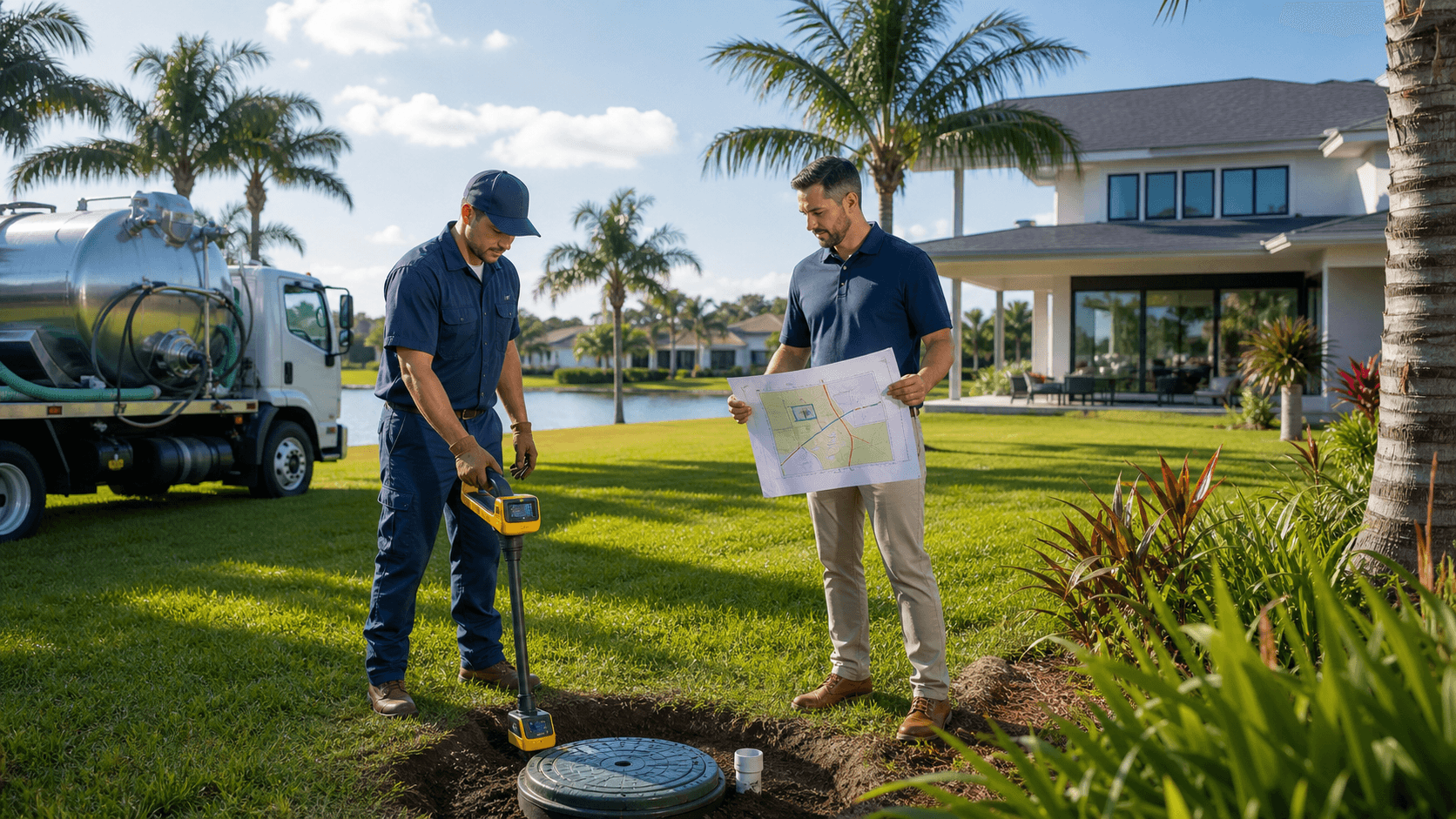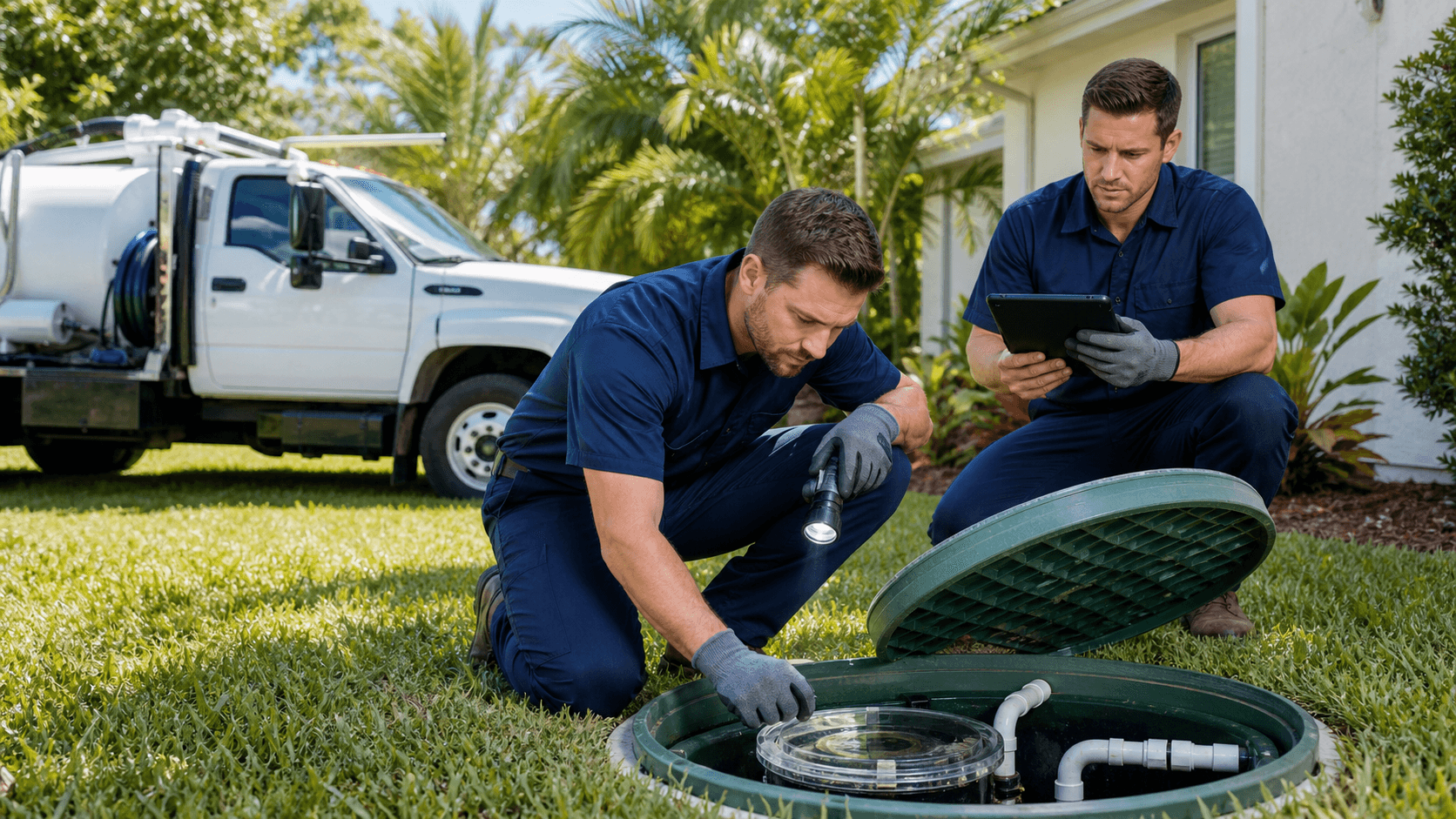
A septic inspection can help Davenport rental owners find developing system concerns before they turn into tenant disruptions, emergency service calls, or property damage. For an existing rental with a septic system, an inspection gives you a clearer picture of what is happening below ground, instead of relying on the home's age or a previous tenant's report.
Changing occupancy can change the demands on a septic system. A property may sit vacant for a while, then become busy again with new tenants, guests, and holiday travel. Late October is also a practical time to watch for drainage concerns after Central Florida's wet season, including standing water near the drainfield, slow plumbing, or backups. Inspections apply to properties with an existing septic system, not new homes still under construction before a system has been installed.
Protect Rental Income Before Problems Grow
A septic inspection in Davenport can help you make maintenance decisions before a lease is interrupted. Rather than waiting for an unpleasant odor, a toilet backup, or a tenant complaint, we can assess the present condition of accessible septic components and identify signs that service may be needed.
During an inspection, we may find concerns such as:
- A septic tank that is full or overdue for pumping
- Blocked or damaged components
- Drainfield performance concerns
- Plumbing backups or wastewater that is not moving as intended
Finding an issue does not automatically mean your property needs a major repair. Sometimes, the right next step is septic pumping or routine maintenance. Other situations may call for repairs, monitoring, or a closer evaluation. The goal is to understand the condition of the existing system so you can plan ahead. We recommend pumping out the septic tank annually on any rental homes because generally the tenants don't care about what goes into the system. This will protect your investment by keeping the system running smooth and making the drainfield last longer.
Keeping records also makes rental management easier. We recommend saving inspection notes, pumping dates, repair records, and maintenance recommendations for each property. Those details can be helpful before a lease renewal, between tenants, after a complaint, or when purchasing a rental property.
Know What a Septic Inspection in Davenport Reviews
The scope of an inspection depends on your system type, property layout, and the reason for the visit. In plain terms, we look at accessible septic components, assess the tank's condition and levels, check for visible drainage concerns, and watch for signs that could affect reliable operation. We also check for these and any other noticeable issues while we are there pumping out the septic tank.
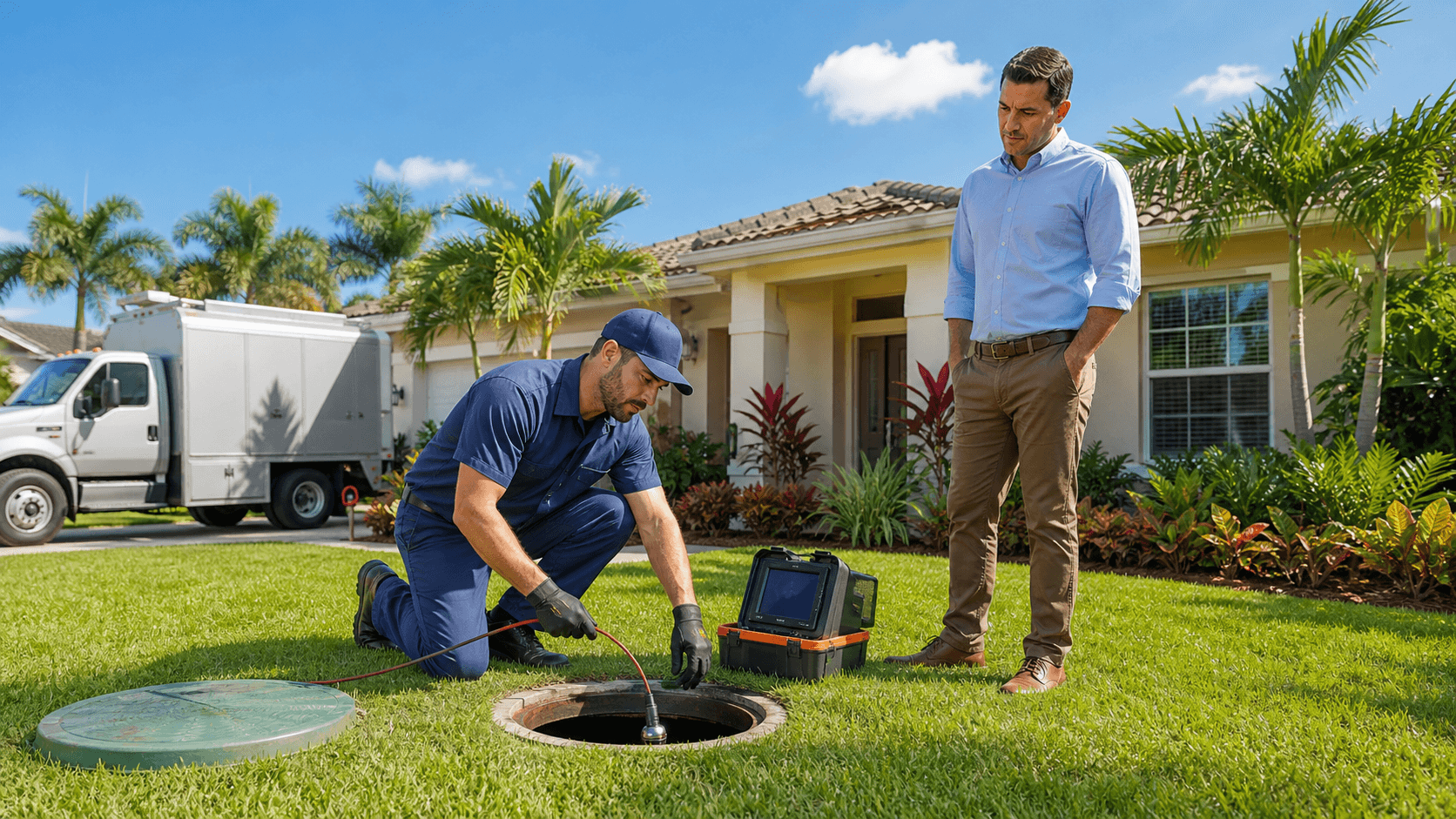
Slow drains and recurring clogs can point to a problem beyond the tank. When there are backups, suspected pipe damage, or drainage issues inside the home, a camera inspection may be recommended. A camera allows us to inspect sewer lines or plumbing lines without guessing about what may be causing the trouble.
Camera inspections are also useful for rentals connected to public sewer. While septic inspections focus on existing private septic systems, we provide sewer line cleaning and camera inspections for homes and businesses on public sewer when clogs, damaged lines, or drainage concerns need attention.
After an inspection, you should have clear guidance about what appears necessary, such as:
- Septic pumping
- Continued monitoring
- Routine maintenance
- Repairs or a more detailed evaluation
Addressing concerns early is usually less disruptive than dealing with a tenant emergency. It can also help you plan service between occupants when access is simpler and daily routines are not affected.
Choose the Right Wastewater Path for the Property
For a property that needs a new wastewater system decision, sewer availability comes first. In Florida, properties must connect to available public sewer when it touches a residential property or is within 500 feet of a commercial property. Septic systems, ATUs, and nitrogen reducing systems are options only where public sewer is unavailable.
Where sewer is unavailable, the next question is whether the property is in a BMAP area. BMAP properties require an ATU, also called an Aerobic Treatment Unit, which provides advanced treatment and nitrogen reduction. Non-BMAP properties may use a conventional septic system or an ATU.
Drainfield space and system selection come third. An ATU may be chosen when a smaller drainfield footprint is needed. A properly maintained private septic system can provide on-site wastewater treatment and may help owners avoid recurring monthly public sewer fees. Still, the owner remains responsible for inspections, pumping, maintenance, and repairs.
Use Inspection Findings to Plan Maintenance
Inspection findings are most helpful when you act on them promptly. If pumping is recommended, it is wise to arrange that service before the tank becomes a bigger concern. If repairs are needed, addressing them early may help prevent odors, wet areas, backups, and tenant complaints.
Tenant communication matters, too. You can remind tenants to report warning signs as soon as they notice them, including slow drains, gurgling toilets, sewage odors, standing water, wet areas near the drainfield, or backups. Early reporting gives us more time to evaluate the problem before it affects the whole household.
It also helps to set clear expectations about what should not go down drains or toilets. Wipes, grease, paper towels, hygiene products, and similar materials can contribute to clogs and system strain.
ATUs and nitrogen reducing systems need consistent professional care. They should not be treated the same way as a conventional septic system. We can explain the maintenance schedule, service needs, and repair recommendations for the specific system serving your rental.
Protect Your Rental Property With Confidence
A septic inspection in Davenport can help identify system concerns before they affect your tenants or property operations. Our team provides clear findings and practical recommendations tailored to your rental property's needs. Contact us to schedule service with Anytime Septic.
Rental Owner Questions About Septic Inspections
How Often Should A Davenport Rental Property Have A Septic Inspection?
Inspection timing depends on the system type, household size, occupancy patterns, maintenance history, and any warning signs. We can recommend an appropriate schedule based on your property's system and condition, but we do generally suggest yearly pumping on all rentals.
Can A Septic Inspection Prevent Tenant Plumbing Emergencies?
An inspection cannot prevent every plumbing problem. However, it can identify many developing concerns before they become backups, drainage issues, or urgent repair situations.
What Should Tenants Report To The Property Owner?
Tenants should report slow drains, gurgling toilets, sewage odors, wet areas near the drainfield, standing water, and backups as soon as they notice them.
Does Anytime Septic Inspect Properties Connected To Public Sewer?
For properties connected to public sewer, we provide sewer line cleaning and camera inspections to help identify clogs, line damage, and drainage concerns.
Do BMAP Rental Properties Need An ATU?
Where public sewer is unavailable, properties in BMAP areas require an ATU. Regular professional service helps these systems continue operating as intended.
For expert advice, septic inspections, maintenance, repairs, or installations for your Davenport rental property, call Anytime Septic.