Find Your Septic System Before Small Problems Grow
Property records can be a helpful tool in giving information about the house, but most do not give any information about your septic system. Their records do not show the exact current location of your tank, drainfield, or access points. Records and a professional septic locating service in Orlando serve different purposes, and most property owners need both.
Knowing where your septic system is located makes service safer and simpler. Homeowners and commercial property owners may need answers before pumping, an inspection of an existing system, repairs, landscaping work, a property purchase, or a future system upgrade. Slow drains, wet yard areas, or changes around the system can be signs that the location or condition of the system needs attention.
Professional septic locating can help customers understand what is beneath the yard and what service makes sense next.
What Property Records Can Tell You, and What They Cannot
Property records on your local environmental health department or Department of Environmental Protection websites can provide useful background on an existing septic system. Depending on the property and available files, you may find septic permits, site plans, installation paperwork, prior inspection reports, repair permits, or documents. The county property appraiser's website can give you information on the house and property.
Those records may help answer questions such as:
- The approximate age of the septic system
- The approved type of system
- The general tank and drainfield layout
- Whether a repair or modification was permitted
- Whether the system may include an ATU or nitrogen-reducing components
These documents are especially helpful after a property changes owners or when past maintenance paperwork has gone missing. They can give us a starting point and help you learn more about the system that was approved for the property.
Still, older plans may be incomplete, unavailable, or based on conditions that no longer exist. A patio, driveway, fence, addition, or new landscaping feature may have changed the reference points used on the original drawing. Records can show where a system was planned or approved, while septic locating helps identify accessible components where they are today.
Why Records Rarely Mark the Exact Septic Location
A permit drawing is not always a precise map of your current yard. Measurements on older documents may have been taken from landmarks that changed over time. A fence might have been replaced, a driveway expanded, or a patio added. Even a mature tree or planting bed can make an old reference point less useful.
Time can also hide the system itself. Tank lids may be covered by soil or grass, and access points may not be visible from the surface. Older septic systems may not have the easily accessible risers found on some newer systems. That does not mean the system is gone. It means the approved layout on paper may not tell you exactly where to access it now.
There is an important difference between knowing that a tank and drainfield were approved and knowing where every working component is located today. A professional assessment can help us identify likely access points and give you a clearer picture before pumping, inspections, maintenance, landscaping changes, or repair planning. This is particularly helpful when a buried tank lid is delaying needed service.
When a Septic Locating Service in Orlando Helps Most
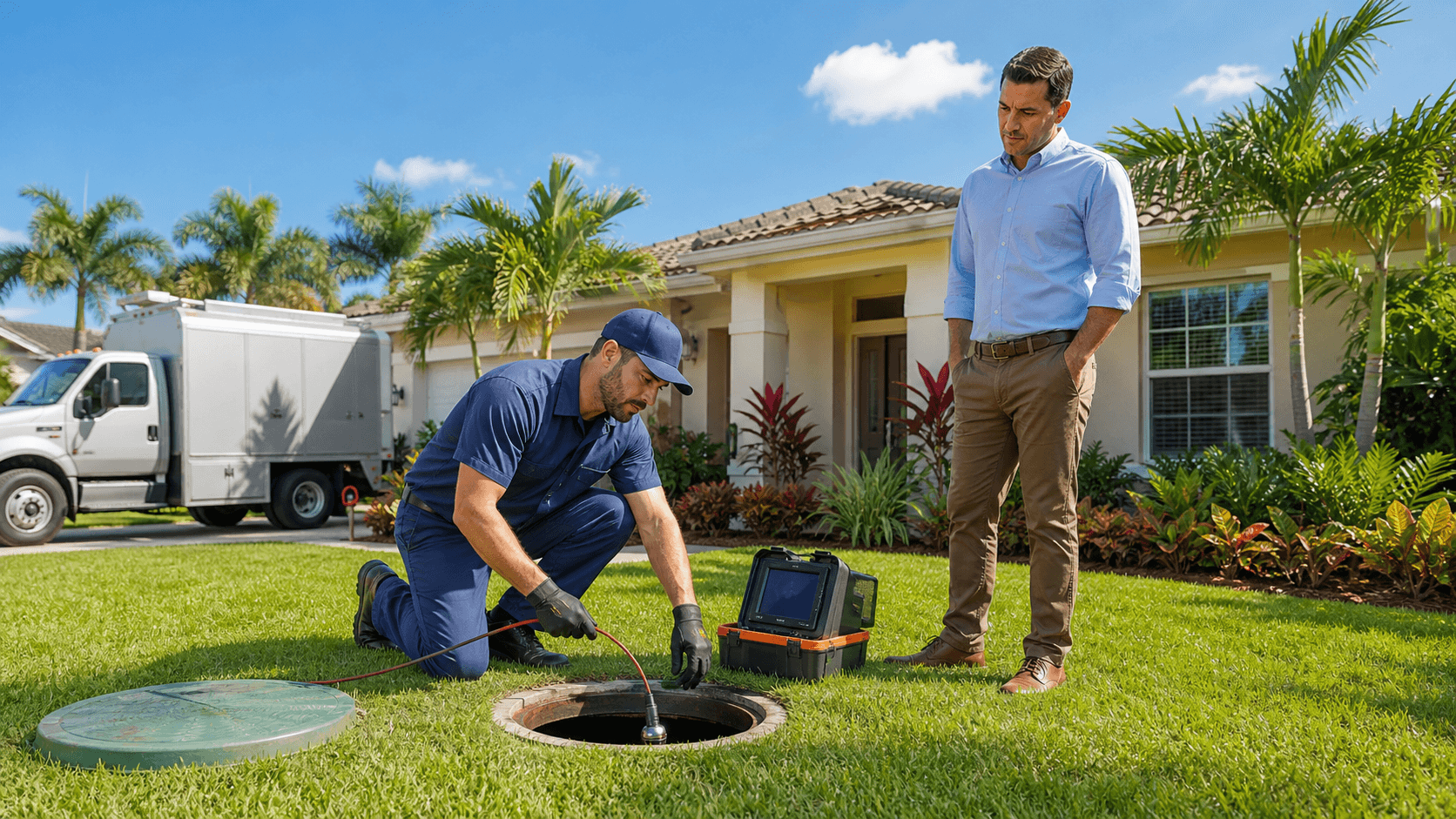
Locating is often the right first step when the tank location is unknown or the access point cannot be found. It can reduce guesswork and help us plan the appropriate service for an existing system.
A septic locating service in Orlando can be especially useful when you are dealing with:
- A first-time pumping visit at a property
- A missing or buried tank lid
- Plans for a patio, driveway, pool, landscaping or other property improvement
- A real estate transaction involving an existing septic system
- Recurring drainage concerns or wet areas in the yard
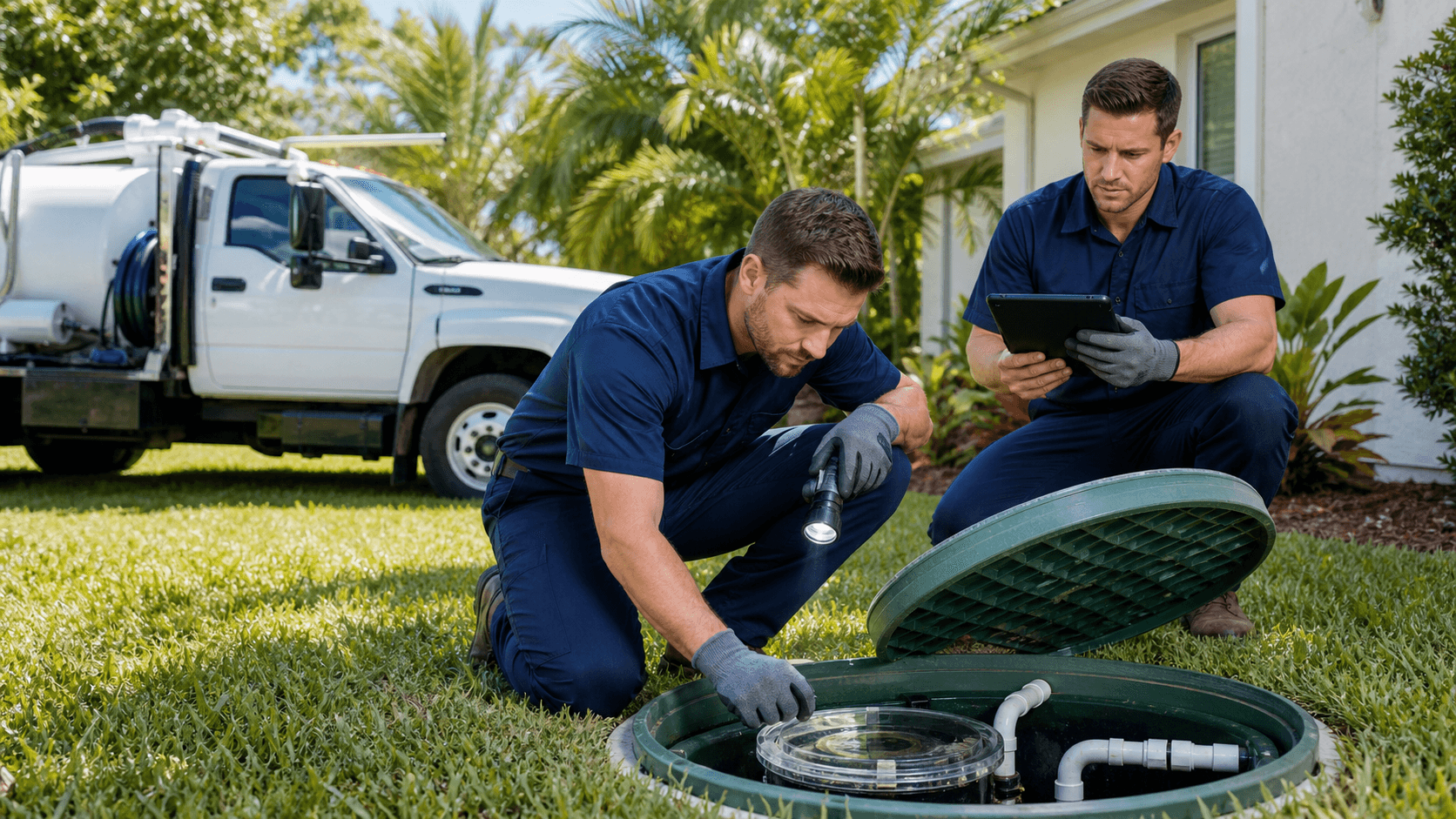
A professional septic service can review available information, assess the property, look for visible system clues, and identify likely component locations. Septic locating is not a do-it-yourself project. Professional guidance helps protect the system and avoids unnecessary disturbance to the property.
Locating and inspecting are related, but they are not the same service. Locating helps identify where an existing septic system is located. An inspection evaluates the condition and operation of that existing system. If you are seeing slow drains, backups, wet areas, or other concerns, we can help determine whether locating, inspection, pumping, maintenance, or repair planning should come first.
Start with Sewer Availability and BMAP Rules
For septic installation decisions, the first question is always whether public sewer is available. In Florida, properties must connect to available sewer when it touches a residential property or is within 500 feet of a commercial property.
Only where sewer is unavailable do septic, ATU, and nitrogen-reducing systems become options. A private septic system provides on-site wastewater treatment and can avoid recurring monthly municipal sewer fees. It still needs responsible pumping, maintenance, and professional service to continue working properly.
After sewer availability is reviewed, BMAP status is the next consideration. Where public sewer is unavailable, properties in BMAP areas require an ATU. Non-BMAP properties may use a conventional septic system or an ATU. An ATU may also be considered when a reduced drainfield footprint is beneficial. Drainfield space and final system selection come after sewer availability and BMAP review.
For properties already connected to city sewer, we also provide sewer line cleaning and camera inspections. Those services can help identify concerns within an existing sewer line without treating a city sewer property as though it has a septic system.
Get Clear Answers Before Scheduling Septic Service
Before arranging service, gather any permits, site plans, inspection reports, pump-out records, or repair documents you have. Even incomplete paperwork can provide useful clues. If the tank location is uncertain, share that early so locating can be considered before pumping or inspection work begins.
Accurate information helps you choose the right service and avoid treating an old drawing as an exact map. Records explain part of the history. Professional locating and inspection of an existing system help clarify what is present and accessible now.
Get Clear Guidance for Your Property
If you need a septic locating service in Orlando, our team can help you understand your property's system and the next steps. Anytime Septic provides practical guidance for inspections, maintenance, repairs, and installation decisions. Contact us to speak with an experienced professional about your septic needs.
Common Questions About Septic Locating in Orlando
Can Property Records Show Exactly Where My Septic Tank Is Located?
Property records at the environmental health department or DEP websites may show the approved location or general layout of the system, but older documents may not match current property features. Professional locating can help identify accessible system components.
Do I Need Septic Locating Before Pumping My Tank?
Not always. If the tank lid and access point are known and accessible, locating may not be needed. If the tank location is unknown or buried, locating can help prepare for more efficient service. Anytime Septic can locate the septic tank when called out to pump it out.
Can A Septic Locating Service Tell Me If My System Needs Repairs?
Locating identifies where septic components are located. An inspection may be needed to evaluate the condition and performance of an existing septic system and determine whether repairs should be considered.
Do BMAP Properties In Central Florida Need An ATU?
Where public sewer is unavailable, BMAP properties require an ATU. Sewer availability comes first, followed by BMAP status, drainfield space, and system selection.
What If My Orlando Property Is Connected To City Sewer?
A city sewer property does not need septic locating for a septic tank. Sewer line cleaning and camera inspections can help evaluate concerns within the existing sewer line.