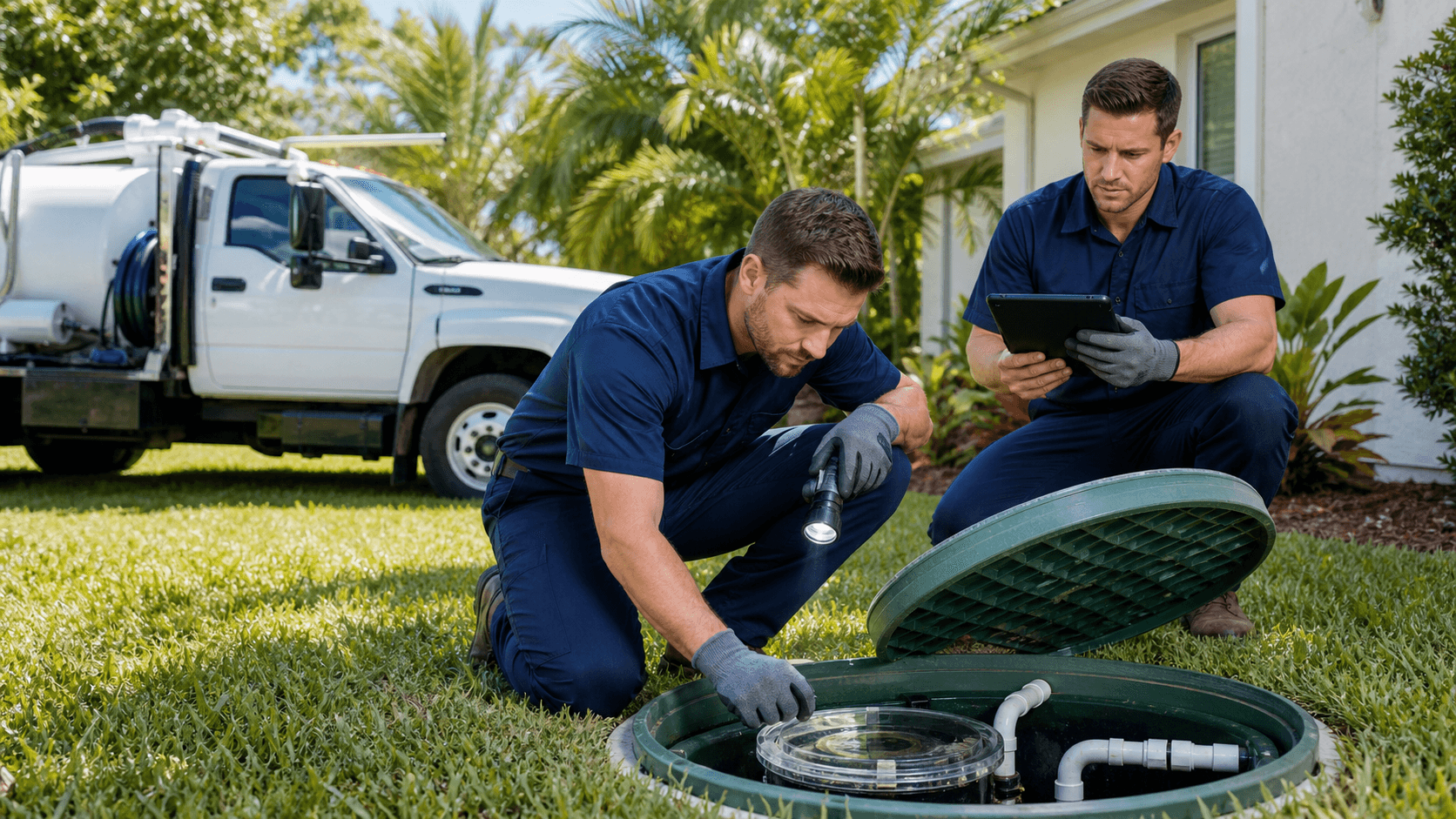
Is Septic Installation In Kissimmee Available On Your Lot?
Septic installation in Kissimmee begins with confirming whether public sewer is available to the property. In Florida, properties must connect to available sewer when it touches a residential property or is within 500 feet of a commercial property.
When public sewer is unavailable, the next step is to determine whether the property is located in a BMAP area. After sewer availability and BMAP status are confirmed, the property can be evaluated for the drainfield space and system design needed for the home or business.
Start with a Property Evaluation
A septic system cannot be chosen by tank size alone. When public sewer is unavailable, a property in a BMAP area requires an ATU system. A sewer-unavailable property outside a BMAP area may use either a conventional septic system or an ATU system.
After the sewer and BMAP pathway is established, the relevant site question is whether there is enough usable room for the drainfield footprint required for the home and system design.
Several details can affect the drainfield footprint and layout:
- Lot size and the usable open area on the property
- Soil conditions and seasonal groundwater levels
- Existing wells, water features, utilities, and structures
- Required separation distances from property boundaries, easements and other site features
A lot may look large enough at first glance, but the layout can limit where the tank and drainfield may go. Driveways, buildings, ponds, trees, utility lines, and wells can all reduce the space available for a septic system.
An ATU may be selected on a non-BMAP property when its drainfield-size reduction helps the needed system fit within the available usable area. ATU systems with drip irrigation can be installed on very small lots, but these systems must be engineered for the specific home being built.
October can be a useful time to evaluate a Central Florida property. After the wet season, saturated soil, standing water, drainage paths, and higher groundwater levels may be easier to spot. Those conditions help us understand how the land handles heavy rainfall before an installation plan is put in place.
How We Evaluate Septic Installation in Kissimmee
Property research and a professional evaluation come after confirming that public sewer is unavailable and determining BMAP status. Our goal is to identify a system and drainfield design that fit the lot, expected water use, and local requirements.
During the planning process, we may review available property records, identify the proposed building location, locate wells and utilities, assess usable space, and evaluate soil and groundwater conditions. Permit requirements and final system details can vary based on the property and agency guidelines.
Water use matters, too. A larger home, rental property, office, restaurant, or other business create different wastewater demands than a typical single-family home. Accurate use estimates help prevent an undersized system from creating avoidable performance problems later.
Careful planning can show whether a conventional septic system or ATU system fits the established sewer and BMAP pathway, along with the available drainfield area. Getting clear answers early helps avoid unpleasant surprises after building plans are already underway.
Soil, Water Levels, and Sewer Availability
Public sewer availability is the first factor in determining whether an onsite system is an option. In Florida, properties must connect to available sewer when it touches a residential property or is within 500 feet of a commercial property. Septic, ATU, and nitrogen-reducing systems are options only where public sewer is unavailable.
Where sewer is not available, BMAP status determines the system pathway. A property in a BMAP area requires an ATU system, while a property outside a BMAP area may use either a conventional septic system or an ATU system.
After those decisions are made, the soil and available drainfield area matter because septic systems treat wastewater underground through tank treatment and soil absorption. Sandy soil, high groundwater, drainage patterns, standing water, and limited open space can all affect the design. The drainfield needs proper separation from structures, wells, property lines, and other site features. Even properties in the same Kissimmee neighborhood may have very different soil and water conditions, so a neighbor's system type is not a guarantee for your lot.
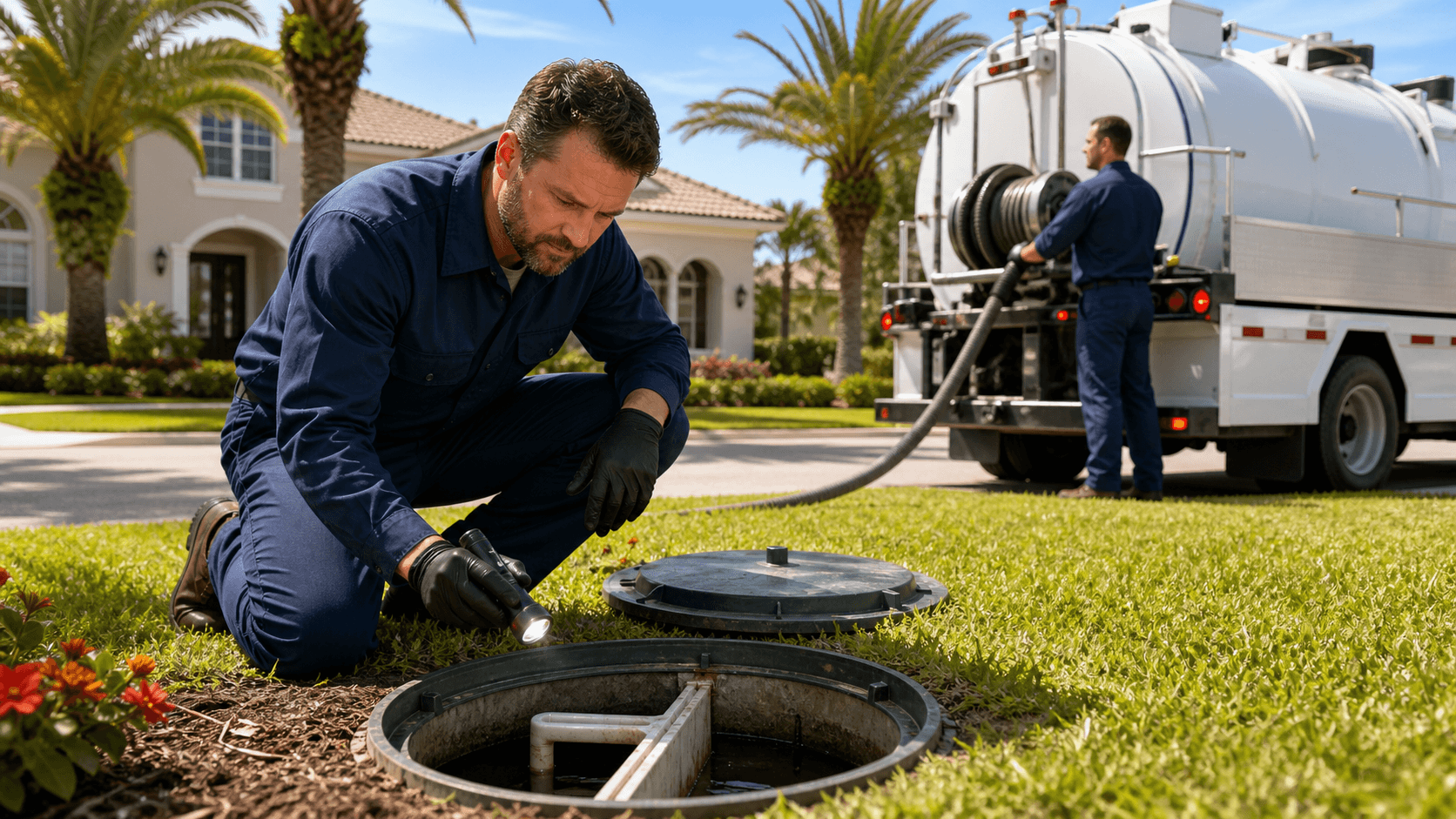
The final layout should also allow room for future service. Septic tanks need regular pumping and maintenance, and service professionals need safe access to tank lids and system components. Planning for that access protects the system over the long term.
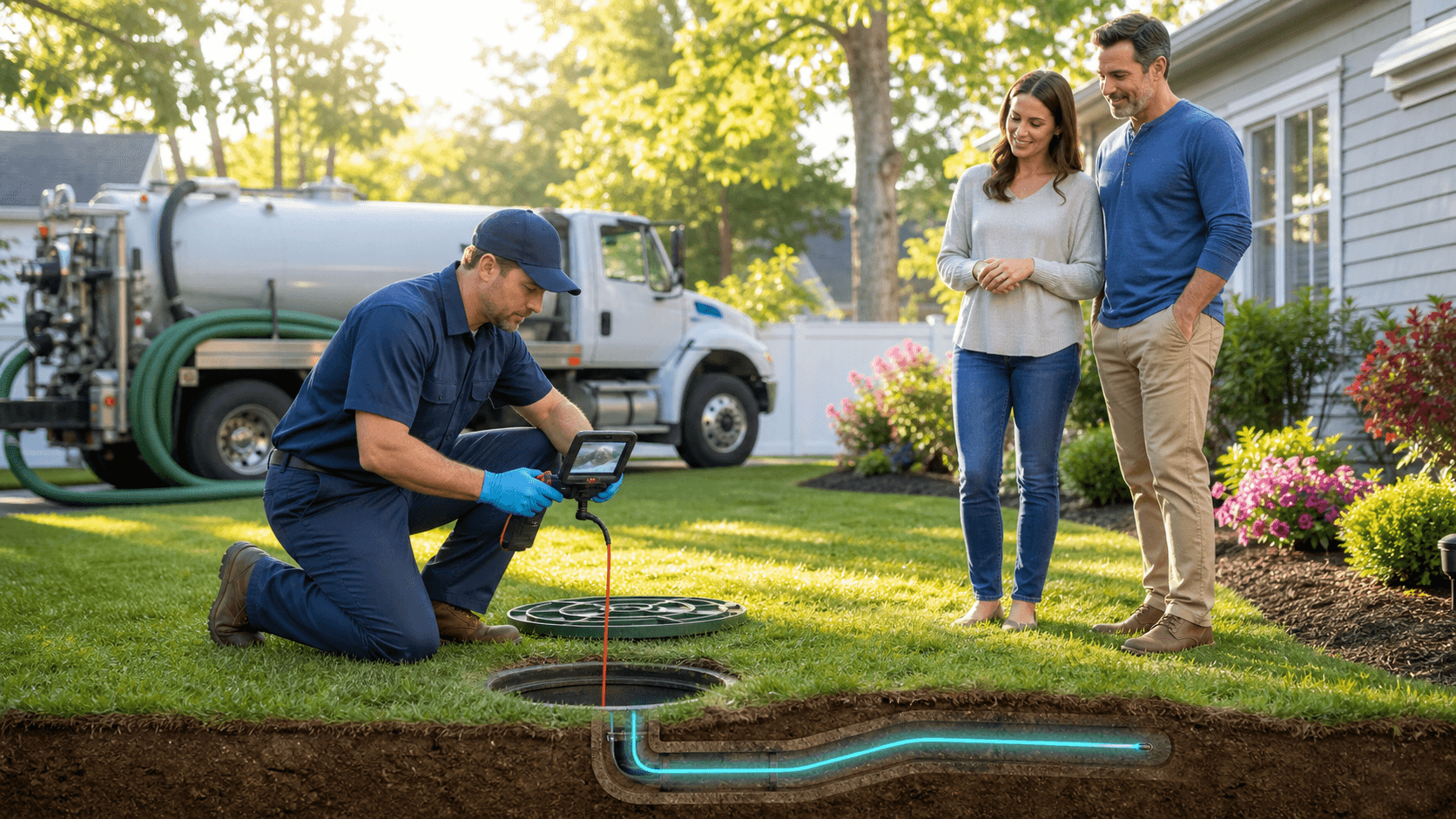
Where sewer is not available and a property qualifies for onsite treatment, a private septic system can avoid recurring monthly sewer fees. Public sewer moves wastewater through municipal infrastructure and may involve connection costs and ongoing utility charges. We also provide sewer line cleaning and camera inspections for properties connected to city sewer, helping identify clogs, root intrusion, damaged pipes, and other concerns.
When Advanced Treatment May Be Required
Some Central Florida properties are located in Basin Management Action Plan areas, also called BMAP areas. These locations may have added wastewater treatment requirements intended to reduce nitrogen reaching sensitive water resources.
When public sewer is unavailable, a property in a designated BMAP area requires an Aerobic Treatment Unit, or ATU, system. An ATU uses oxygen and added treatment components to clean wastewater more thoroughly than a conventional septic tank. Nitrogen-reducing systems are designed to lower nitrogen levels before treated wastewater reaches the drainfield area.
For sewer-unavailable properties outside designated BMAP areas, owners may install either a conventional septic system or an ATU system. An ATU may be a practical choice when its drainfield-size reduction helps the system fit within the available usable area.
We recommend getting the property reviewed instead of guessing about sewer availability, BMAP status, or system requirements. Advanced systems also have maintenance needs that should be understood before installation.
Get Clear Answers for Your Property
Our team can help you understand the sewer availability, BMAP requirements, site conditions, and system options that apply to your lot. For experienced guidance on septic installation in Kissimmee, Anytime Septic is ready to help you plan with confidence. Contact us to discuss your property and schedule an evaluation.
Frequently Asked Questions
Can Any Vacant Lot In Kissimmee Have A Septic System Installed?
No. First, public sewer availability must be confirmed. If sewer is unavailable, a BMAP property requires an ATU system, while a non-BMAP property may use a conventional septic system or an ATU. The property must also have enough usable room for the drainfield footprint, proper setbacks, and suitable site conditions.
How Do I Know If Public Sewer Is Available To My Property?
You can check with the local utility provider and permitting agencies. In Florida, residential properties must connect when sewer touches the property, while commercial properties must connect when sewer is within 500 feet.
What Is An ATU Septic System?
An ATU, or Aerobic Treatment Unit, is an advanced septic treatment system that uses oxygen to treat wastewater more thoroughly than a conventional septic system. It is required for sewer-unavailable properties in BMAP areas and may also be used on non-BMAP properties when its drainfield-size reduction helps the system fit within the available usable area.
Do BMAP Areas Require Nitrogen-Reducing Septic Systems?
Yes. When public sewer is unavailable, properties in designated BMAP areas require an ATU system. Properties outside BMAP areas may install either a conventional septic system or an ATU system, subject to drainfield-footprint, setback, and permitting requirements.
Can You Help If My Home Is Connected To City Sewer?
Sewer line cleaning and camera inspections can help identify clogs, root intrusion, damaged pipes, and other line concerns before they grow into larger problems.