Septic or Sewer in Orlando: What's Right for You
Choosing between septic and city sewer is a big decision for any Orlando or Central Florida property owner. It affects your daily routines, your yard, your long-term costs, and even what kind of upgrades you can do later. With local growth and changing rules, especially in some sensitive water areas, this choice is more important than ever.
Our goal here is simple: explain septic systems and city sewer in clear, plain English so you can compare them side by side. By the end, you should feel more confident about what fits your home or business before you talk with any professional. At Anytime Septic, a local, licensed septic company that also works with sewer lines, we have seen what actually works on Central Florida properties, and we want to share that practical experience with you.
How Septic Systems Work in Plain English
A standard septic system has three main parts: the tank, the drainfield, and the soil under it. Think of the tank like a sorting pit, the drainfield like a series of shallow pipes in the yard, and the soil like a natural filter.
Here is what happens when you flush or run water inside your building:
- Wastewater flows from your drains into the septic tank.
- Inside the tank, the bacterial process begins with digestion of heavier solids that settle to the bottom and form a sludge layer, and lighter stuff like grease floats to the top as scum.
- The cleaner liquid in the middle slowly flows out to the drainfield.
Once that liquid reaches the drainfield, it spreads through small perforated pipes, tubes or chambers into the soil. The soil and tiny organisms in it help clean the water as it moves down through the ground. Over time, that treated water joins the groundwater without you ever seeing it.
Some properties in Central Florida use advanced systems, like ATUs and nitrogen-reducing systems. An ATU, or Aerobic Treatment Unit, adds air to the wastewater so helpful bacteria can break down waste more completely. Nitrogen-reducing systems are designed to lower the amount of nitrogen that reaches the groundwater. These newer systems are often used in sensitive areas or where rules are stricter, such as certain lots near lakes or springs or small lot sizes.
Anytime Septic has extensive experience installing, inspecting, and maintaining both ATUs and nitrogen-reducing systems in our local area, so we can help you understand which type of system fits your property and current regulations.
How City Sewer Systems Serve Orlando Properties
City sewer is more like a big shared system. Your home or business connects to a main pipe in the street, and that pipe carries wastewater to a municipal treatment plant.
In simple terms, it works like this:
- Wastewater leaves your property through one main sewer line.
- That line connects to a larger public pipe under the road.
- From there, everything flows to a central treatment facility that handles waste for many properties at once.
Property owners connected to city sewer usually have ongoing sewer charges on their utility bills. There can also be one-time connection fees as well as impact fees when tying into a system. In most areas, owners are responsible for the line on their own property and sometimes up to a certain point near the street, while the city or utility takes care of the larger public pipes.
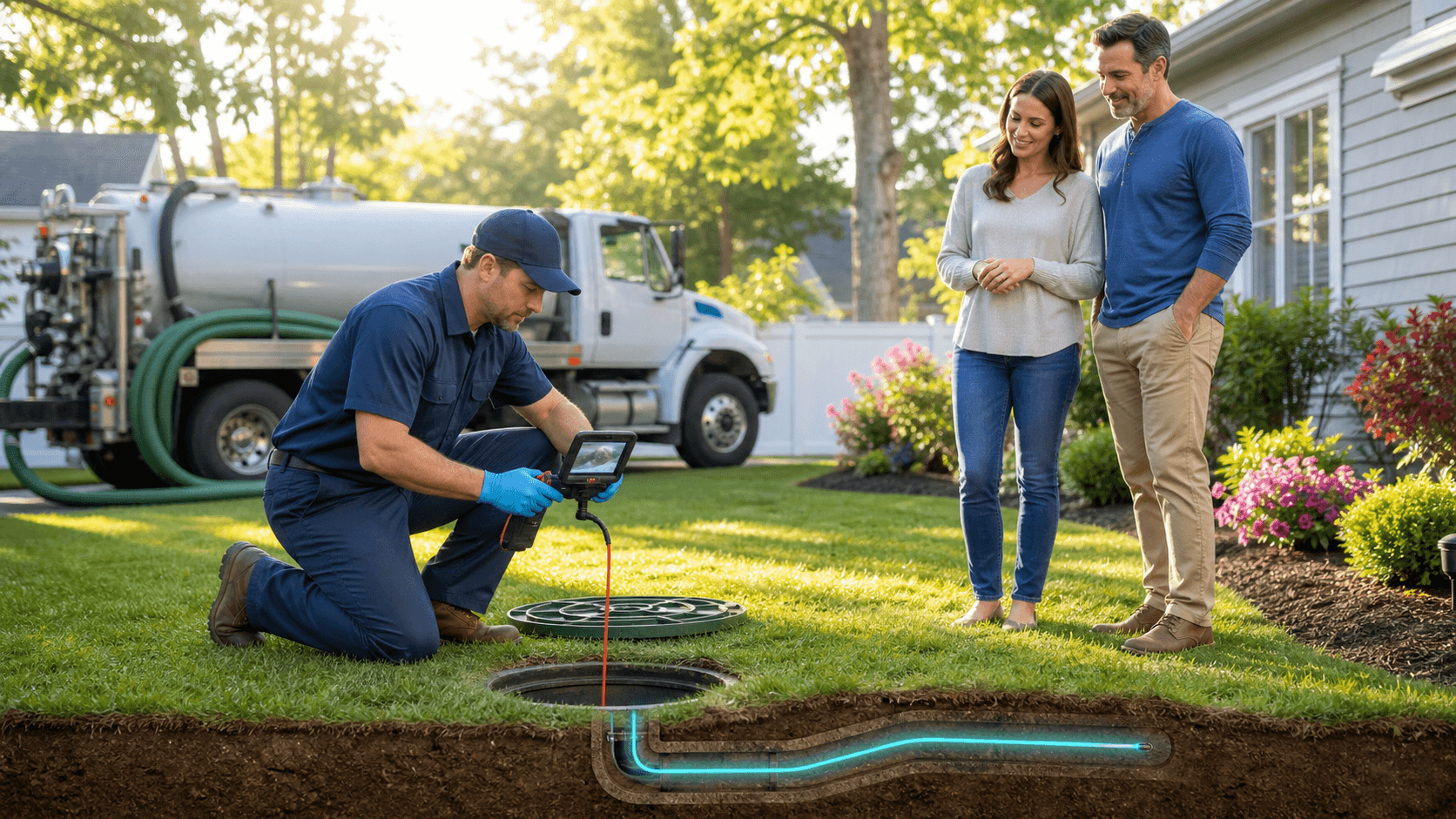
Even if you are already on sewer, your own line can still clog, crack, or get roots growing into it. Sewer line cleaning and camera inspections help find and solve problems like these before they turn into messy backups inside the building. Anytime Septic also provides sewer line cleaning and camera inspections for sewer-connected homes and businesses in the Orlando area.
Septic Vs. Sewer Costs, Maintenance, And Lifestyle
Septic and sewer feel very different in day-to-day life, and that often matters just as much as the technical side.
With septic, there is usually a larger upfront investment during septic system installation in Central Florida. After that, owners plan for routine pumping and inspections from time to time. There is no monthly sewer bill from a utility, and you have more control over your own system on your own land.
Some practical advantages of septic systems include:
- No recurring sewer charges from a utility.
- Good fit for rural or edge-of-city properties where sewer is not nearby.
- Quiet operation with no big public pipes running through your yard.
- In some utility outages, a working septic system can keep doing its job as long as your home's plumbing can run safely.
On the other hand, city sewer has its own appeal. You typically do not have a tank to pump, and many owners do not think much about the system unless there is a clog. For neighborhoods with many homes close together, sewer is often already in place and easy to tie into during building.
Neither option is automatically better for everyone. The right choice depends on your location, budget, long-term plans, sewer availability, and local regulations. Anytime Septic can walk your property, review your options, and help you understand the realistic costs and maintenance needs for each. It is important to note that the sewer is not always available. Where sewer is not available, a septic system is your only option. If sewer is available, your only option is to tie into that sewer system. If you currently have a septic system and city sewer is run down your street, you will be required to tie in to that sewer system when your septic tank or drainfield needs to be replaced.
Orlando Rules, BMAP Areas, And When You Must Upgrade
In parts of Central Florida, including some areas around Orlando, there are special zones called BMAP areas. BMAP stands for Basin Management Action Plan. In simple terms, it is a plan the state uses to protect important water bodies, like springs and lakes, from too much pollution.
Inside some of these BMAP areas, septic rules can be stricter. Owners may be required to install ATUs or nitrogen-reducing systems instead of standard tanks. This can happen when:
- You build a new home or business in a regulated area.
- You replace a failed septic system in one of these zones.
- You do certain major remodels or additions that change how much wastewater the property sends out.
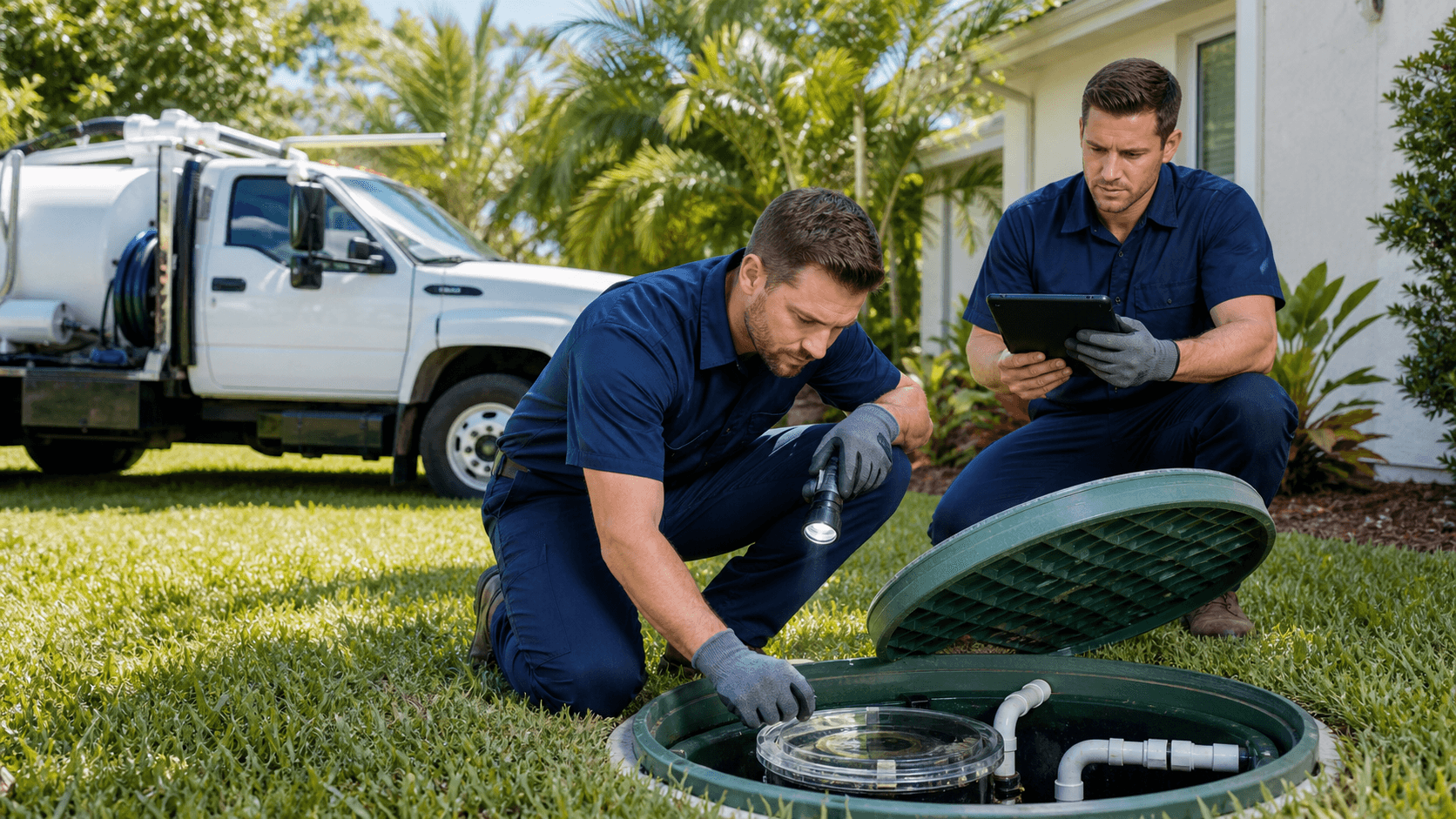
A professional septic inspection can tell you what you have now, whether it meets current rules, and what your options are if you need repairs or a replacement. That way you are not guessing about compliance or facing surprises in the middle of a remodel.
Anytime Septic stays current on Orlando and Central Florida area BMAP requirements and can explain, in plain language, when you are required to upgrade to an ATU or nitrogen-reducing system and what that process looks like.
Signs You Need Service: Repair, Pumping, Or Replacement
Your system, whether septic or sewer, usually gives warning signs when something is wrong. Paying attention early can protect your home, your yard, and your wallet.
Common red flags include:
- Slow drains all over the house, not just in one sink or toilet.
- Sewage odors inside or outside, especially near the tank or drainfield.
- Wet, spongy, or very green patches in the yard over the drainfield.
- Gurgling sounds from toilets or drains.
- Frequent backups or the need to clear clogs over and over.
Routine maintenance for a septic system usually means pumping the tank on a regular schedule and having a professional inspect the system. Problems like constant backups, sewage on the ground, or wastewater surfacing in the yard can point to serious issues, such as a failing drainfield or damaged lines.
Major repairs and septic system installation in Central Florida should always be handled by licensed professionals. Septic work touches wastewater and soil, so it affects health, plumbing, and even the value of your property. Trying to dig, repair, or reroute things on your own can create hazards and lead to bigger, more expensive damage later.
Next Steps To Protect Your Orlando Property
If you are planning a new build or remodel, find out if sewer is available to your property by contacting the local utility. Trying to decide between septic and sewer will be determined. If no sewer is available, a professional inspection is a smart first move. It shows what is already in the ground, what condition it is in, and what your realistic options look like.
Your next steps might be different depending on your situation:
- A new property may need a full septic design and installation.
- An older septic system with recurring problems may need a detailed evaluation to decide between repair and replacement.
- Homes already on sewer but dealing with repeated backups might benefit from a camera inspection and line cleaning.
- For properties in or near known BMAP areas, it is especially important to understand when advanced ATU or nitrogen-reducing systems may be required so you can plan ahead and protect your investment.
If you are unsure whether septic or sewer is right for your Orlando-area property, or you want a clear opinion on the condition of your existing system, call Anytime Septic. Our licensed technicians can inspect your system, explain your options in plain English, and help you plan the right repairs, maintenance, or installation for your home or business.
Protect Your Property With Expert Septic Installation
If you are planning new construction or replacing an aging tank, our team at Anytime Septic is ready to help you design and install a reliable system that fits your property and budget. Start by exploring our septic system installation in Central Florida services so you know exactly what to expect at each step. When you are ready to move forward or have questions about your specific site conditions, simply contact us and we will work with you to schedule an on-site evaluation and detailed estimate.