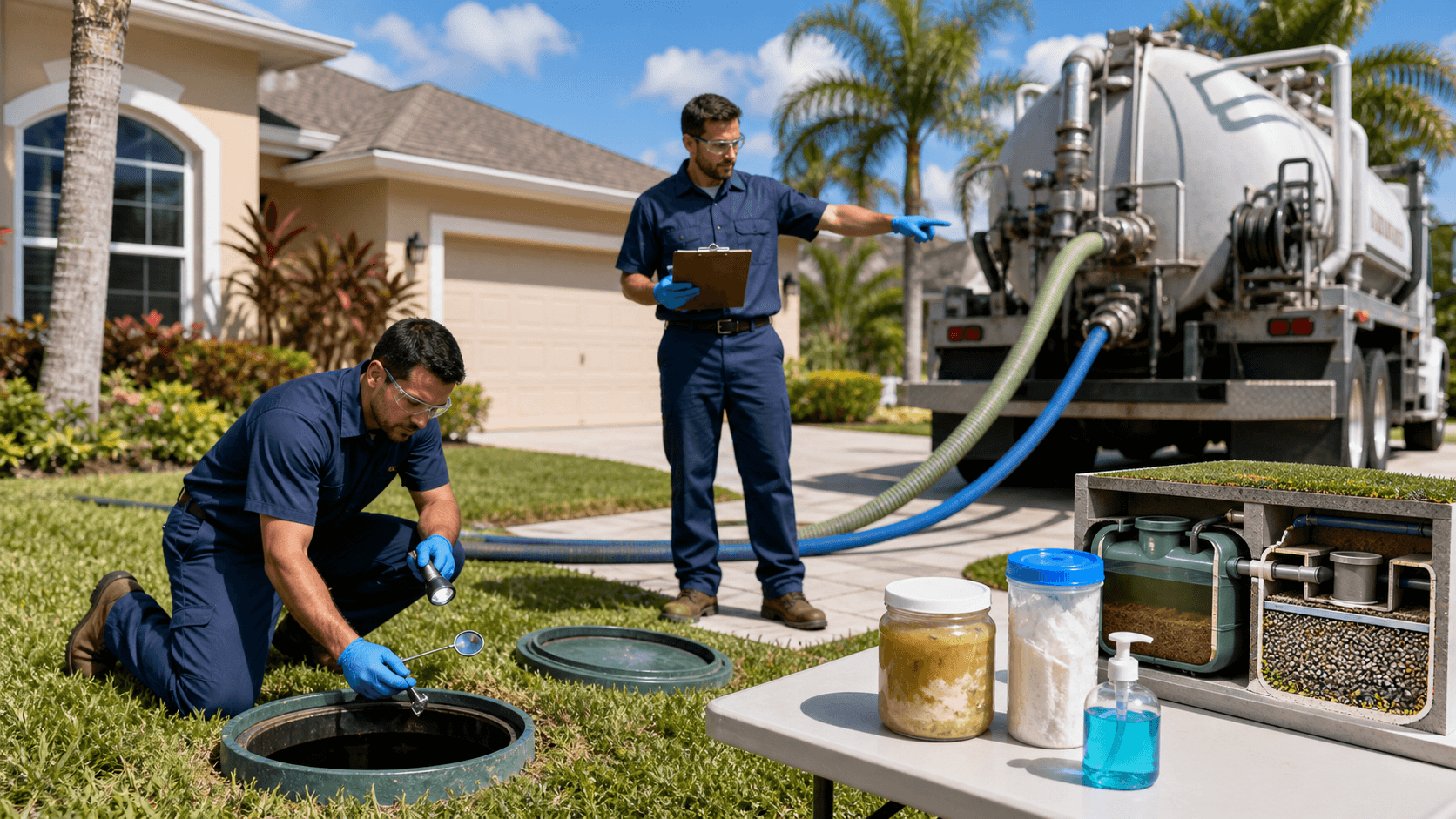
Stop Believing Septic Myths That Cost You Money
Septic systems are out of sight, so they are usually out of mind. That is why so many myths get passed around between neighbors, family, and even online. A lot of these "tips" sound helpful, but they can actually lead to early system failure, backups, and big repair bills.
In the Orlando area, it can be even more confusing. Some homes are on city sewer, some are on older septic systems, and others now have advanced treatment units or nitrogen-reducing systems because of changing rules. Our goal here is simple: clear up the most common septic system maintenance myths and share practical, easy septic system maintenance tips that help you avoid problems.
At Anytime Septic, we are a local family-owned company that works on both traditional septic systems and advanced treatment systems across Central Florida. We explain things in plain language so you can make smart choices about your home, based on experience and real-world results.
Myth 1: "I Only Need Pumping When There Is a Problem"
Waiting until you have slow drains, strong odors, or sewage backing up before you pump the tank is like waiting for your engine to seize before you get an oil change. By the time you see those signs, the tank may already be overloaded and the drainfield can be getting damaged, especially with year-round plumbing use and heavy summer rains soaking the yard.
A good starting point is the general 1 to 3 year rule for pumping. But that is only a guideline. The right schedule depends on things like:
- How many people live in the home
- How much water everyone uses each day
- Whether you use a garbage disposal often
- The age and size of the system
- If there is a washing machine on the system
If you have a large family, an older system, or heavy water use, you may need pumping more often. Keeping up with regular pumping helps keep solids from pushing out of the tank and into the drainfield. That can give your drainfield more years of healthy use and help you avoid major repairs.
Sometimes an inspection is better than just a pump-out. You may want an inspection if:
- You see wet or soggy spots near the drainfield
- You hear gurgling in multiple drains
- You are buying or selling a home
- There are frequent minor clogs in different fixtures
With an inspection, we can check sludge levels, look at system components, and help you decide the right next step instead of guessing.
Myth 2: "Flushing Additives Means I Never Need Service"
There are many products that promise to "clean" or "restore" your septic system with one simple flush. Some are enzyme packs, some are bacteria blends, and others are chemical treatments. While they may help break down certain materials in the tank, they cannot:
- Remove built-up solids from the bottom of the tank
- Fix broken pipes, baffles, or pumps
- Bring a failed drainfield back to life
What you flush still has to go somewhere. The only way to physically remove sludge and scum is with a professional pump truck. Additives can also cause new problems if used the wrong way. Too many chemicals can upset the natural bacteria that already live in your tank and do the work for free. Strong products can hide early warning signs by pushing material out to the drainfield faster.
Safer septic system maintenance tips include:
- Only flushing human waste and toilet paper, nothing else
- Keeping wipes, paper towels, and hygiene products out of toilets
- Limiting grease, oils, and harsh cleaners down the drain
- Spacing out laundry loads instead of doing many back-to-back
If you are relying on "miracle" products because you are worried about your system, that is a good time to get a professional inspection instead.
Myth 3: "All Septic Systems Are the Same"
Not all septic systems work the same way. A basic or conventional system has a septic tank and a drainfield. Wastewater flows into the tank, solids settle, and the liquid flows out to the drainfield to be treated in the soil.
An aerobic treatment unit, often called an ATU, adds air and extra treatment stages. Nitrogen-reducing systems are designed to lower the amount of nitrogen going into the soil. These systems are important in areas where groundwater and springs need extra protection, like some parts of Central Florida.
You may hear about BMAP, which stands for basin management action plan. These are special areas where extra rules apply to help protect water resources. In certain zones, homeowners can be required to upgrade to an ATU or nitrogen-reducing system when:
- Replacing a failed or outdated septic system
- Doing major home additions or remodels
- Building a new home
- Selling property, depending on local rules
Maintenance needs are different too. ATUs often need:
- More frequent inspections
- Regular checks of pumps, alarms, and air systems
- Service contracts or ongoing maintenance plans
Working with a company that has experience with these systems helps prevent nuisance alarms, foul smells, and surprise breakdowns. Our team works with both conventional systems and advanced treatment systems, so we can explain which type you have and what it really needs.
Myth 4: "Septic Is Always Worse Than City Sewer"
Many people think city sewer is "better" and septic is only for homes that could not get sewer. The truth is more balanced. With city sewer, you do not maintain a tank or drainfield, but you do pay ongoing sewer bills. With a private septic system, you take care of your own system on your property.
When designed and maintained correctly, septic systems can be reliable, long-lasting options for homes and businesses, especially in areas where city sewer is not close by. You have control over your own system instead of depending on large municipal lines.
It is also worth remembering that sewer-connected homes still have their own responsibilities. Your home's sewer line, from the house to the street, can still have:
- Grease and debris build up
- Tree root intrusion
- Sagging sections and blockages
Sewer line cleaning and camera inspections can help find and clear those issues before they turn into indoor backups. Our team works on both septic systems and sewer lines, so we understand the full picture, no matter how your property is set up.
Myth 5: "If It's Not Backing up, Everything Is Fine"
A full backup is the last and worst sign of trouble, not the first. Most septic systems give quiet hints long before that. Some early warning signs Orlando homeowners often miss include:
- Gurgling sounds in sinks, tubs, or toilets
- Grass over the drainfield that is much greener or thicker
- Soft, damp, or spongy soil in the same area
- Light sewage odors outside, even if they come and go
- Plumbing that "mostly works" but feels slower than normal
You can use a simple seasonal checklist, especially before the late summer rainy period:
- Walk around the tank and drainfield, look for wet spots or strong smells
- Listen for any beeping or flashing lights on ATU control panels or alarm boxes
- Notice if you are plunging toilets or clearing slow drains more often
- Watch for wastewater surfacing or standing water near the drainfield
Some issues can be handled with basic maintenance, like pumping a full tank or cleaning a filter. Other signs may point to damaged components or a stressed drainfield that needs repair or replacement. When in doubt, it is always safer to get a professional diagnosis instead of waiting for a messy backup.
Protect Your Home with the Right Septic Know-How
When you let go of common myths and follow simple septic system maintenance tips, you protect more than just pipes. You protect your home, your yard, and your peace of mind. Regular care helps your system last longer, handle busy weeks with guests, and stay ready for Central Florida's rainy seasons.
If it has been several years since your last service, if you live in a BMAP area, or if you have an ATU or nitrogen-reducing system, staying on top of inspections and maintenance is especially important. With clear information and the right local support, you can keep your system working quietly in the background, just the way it should.
Need Help with Your Septic or Sewer Line?
If you have questions about pumping schedules, BMAP upgrade requirements, ATU or nitrogen-reducing system maintenance, or sewer line issues, Anytime Septic is here to help. Call Anytime Septic today to schedule an inspection, set up routine maintenance, or get expert advice on repairs and replacements for your septic system or home sewer line.
Protect Your Property With Expert Septic Care
If you are ready to keep your system running smoothly and avoid costly repairs, our team at Anytime Septic is here to help. Start with our practical septic system maintenance tips to understand what your system needs throughout the year. When you want professional guidance or service tailored to your property, contact us so we can walk you through the next best steps.