Common Septic Tank Cleaning Mistakes Apopka Homeowners Can Avoid
Septic care is easy to forget when everything is working the way it should. Yet late fall is a smart time to think about your system, especially before holiday guests, extra laundry, cooking, and dishwashing add more wastewater to the tank.
We have seen how quickly a small septic issue can become an unpleasant backup when a system is already overdue for maintenance. Regular pumping and professional care help prevent odors, slow drains, drainfield trouble, and surprise repairs. The good news is that many common septic problems can be avoided with a few better habits.
Plan Ahead Before Holiday Guests Arrive
A septic system works quietly below ground, so it rarely gets much attention until something goes wrong. Around the holidays, though, more people in the house can mean more showers, toilet flushes, dishwasher loads, and laundry cycles. That added demand may expose a problem that has been building for a while.
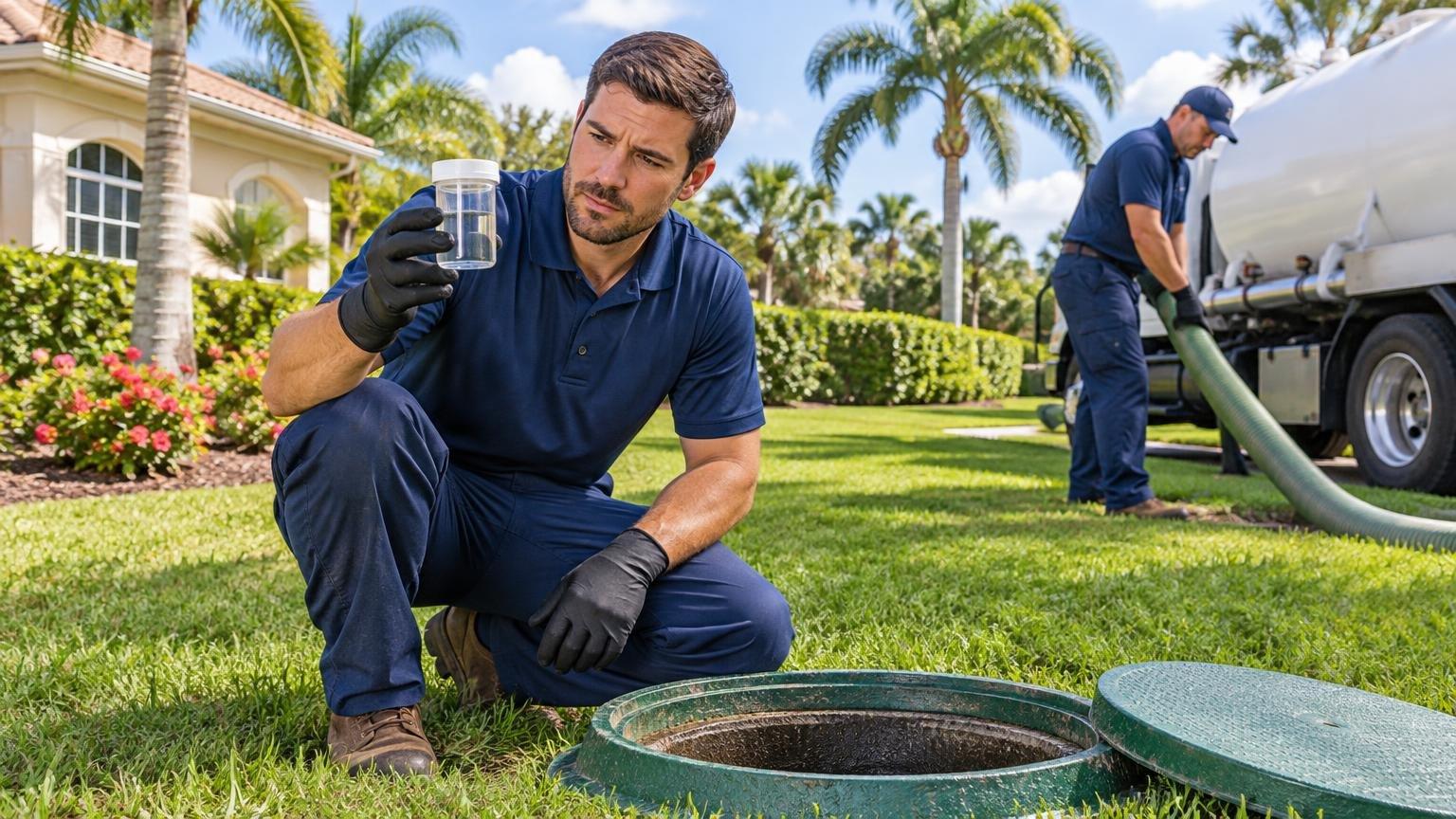
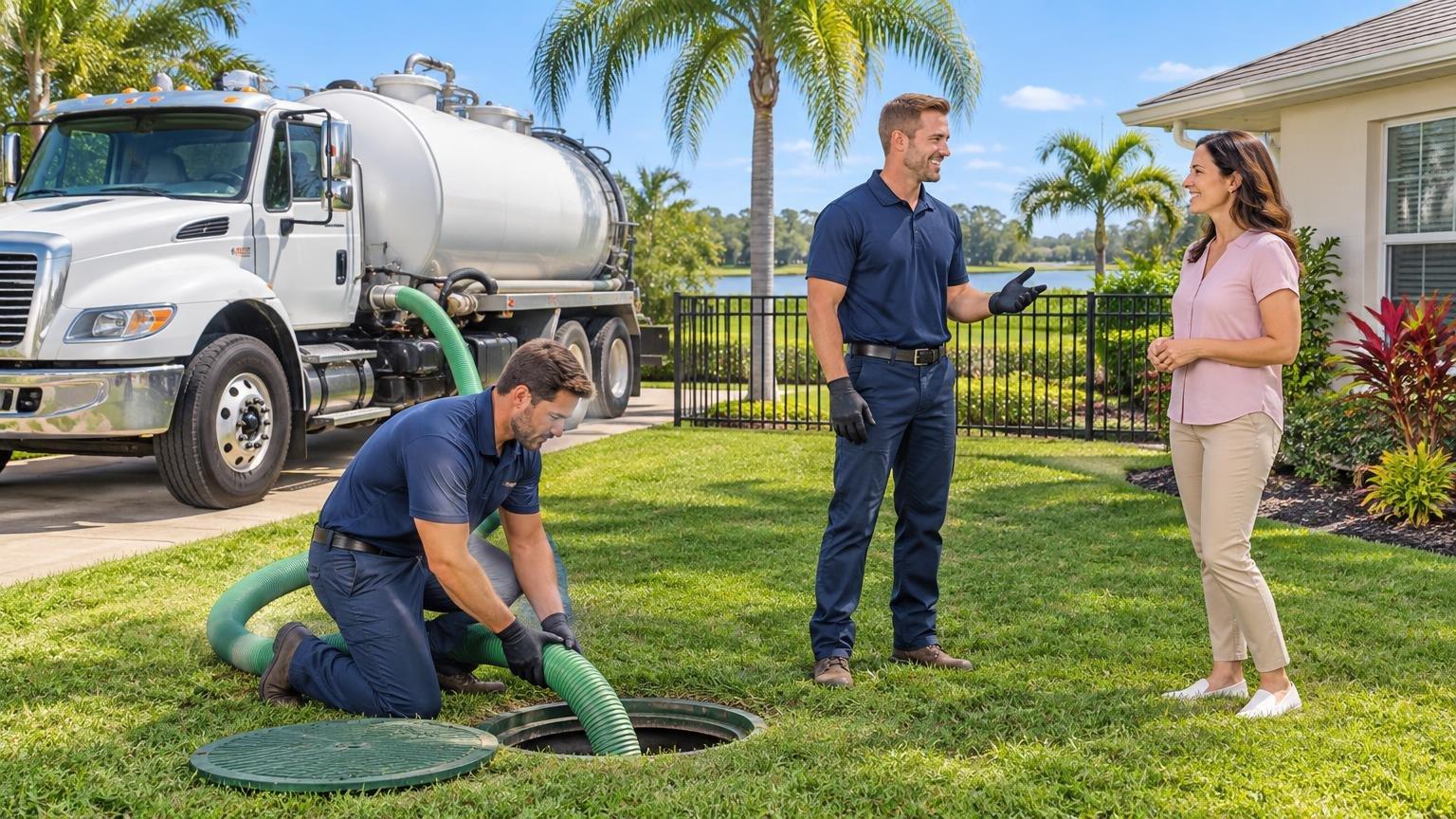
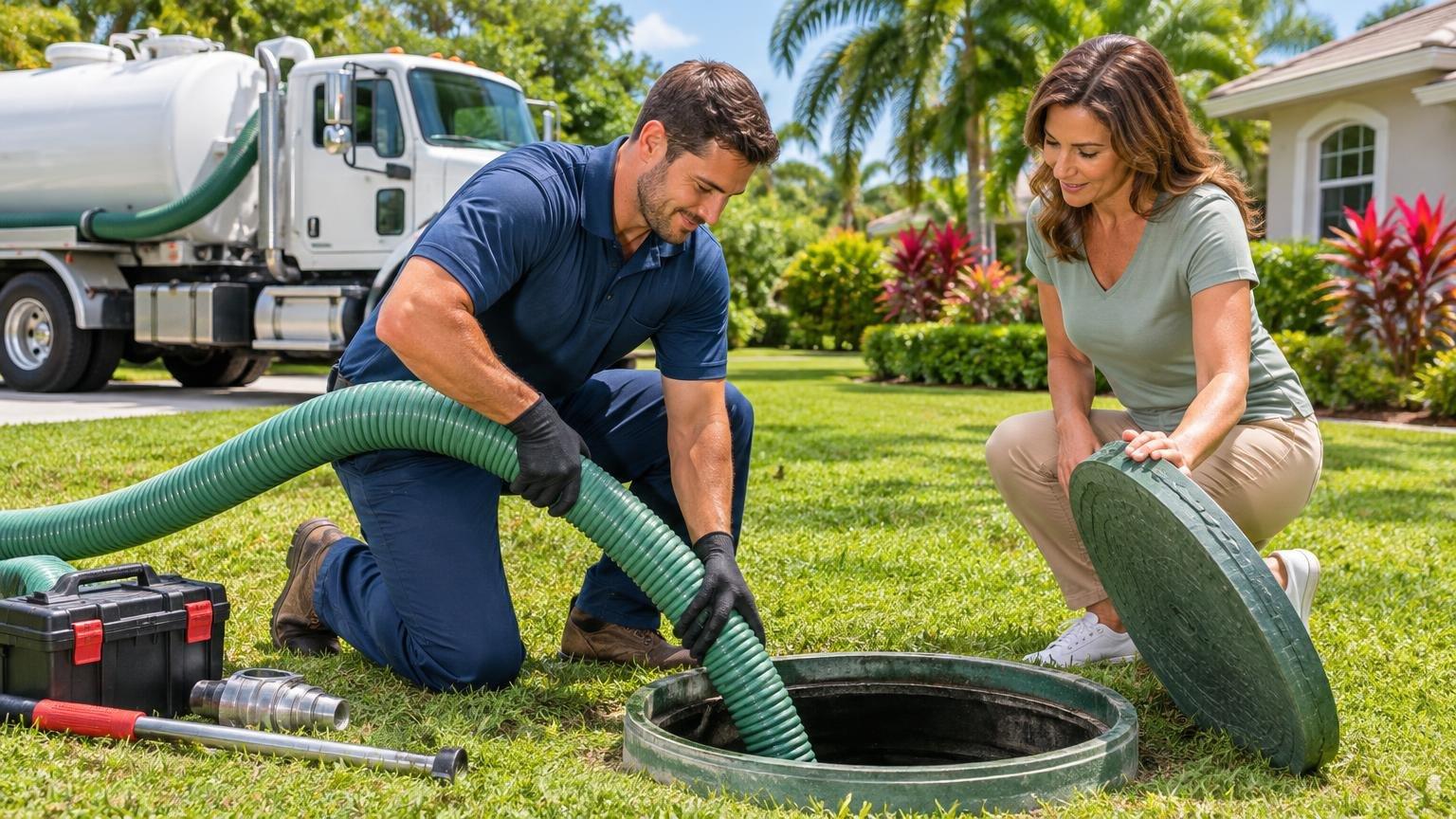
Planning service before your home gets busy gives us time to evaluate the condition of your existing system and recommend the right next step. Septic tank cleaning in Apopka is routine maintenance, not something that should only happen after wastewater backs up into the home.
Pay attention to your system before guests arrive. A few early concerns may include:
- Drains that seem slower than usual
- Toilets that gurgle after flushing
- Odors near the tank or drainfield
- Wet or unusually green areas over the drainfield
Don't Wait for a Backup
One of the biggest mistakes we see is treating septic pumping like emergency service. Solids naturally build up in a septic tank over time, and eventually those solids need to be removed by a professional.
Many homes benefit from pumping every one to three years, but there is no single schedule that fits every property. Household size, water use, tank size, system design, and past maintenance all matter. For septic tank cleaning in Apopka, we recommend basing the timing on a professional review rather than guessing.
Waiting until sewage odors, standing water, or backups appear can allow trouble to spread beyond the tank. By then, wastewater may not be moving through the system properly, and the drainfield or another component may need attention.
Keeping good records also makes future decisions easier. Save your pumping receipts, inspection notes, repair documents, and any information about your system. Those details help us understand what has been done before and what your system may need next.
Keep Harmful Materials Out of the System
Pumping on time will not protect a septic system from everything that goes down the drain. Toilets should only receive human waste and toilet paper. Many everyday items can clog household plumbing, collect in the tank, or interfere with how the system works.
Items to keep out of toilets, sinks, and drains include:
- "Flushable" wipes, paper towels, and dental floss
- Feminine hygiene products and other personal care items
- Grease, cooking oil, coffee grounds, and food scraps
- Medications, harsh chemicals, and drain cleaning products
Flushable wipes are especially misleading. They do not break down as reliably as toilet paper and can create stubborn clogs in pipes or remain inside the tank.
Grease and cooking oils are another common troublemaker. As they cool, they can harden inside pipes and restrict flow. Instead of rinsing grease into the kitchen sink, collect it in a disposable container once it has cooled.
Chemical products can also cause problems. Excessive bleach, antibacterial cleaners, drain chemicals, and septic additives may disrupt the natural bacterial balance inside the tank. Expensive additives are not needed for routine care as all the bacteria you need is already in human waste. Consistent pumping and mindful water use are more dependable ways to care for your system.
Recognize Warning Signs and Advanced System Needs
Slow drains do not always mean your tank needs to be pumped out. A clogged filter, plumbing blockage, damaged component, or drainfield concern may be the real cause. That is why professional diagnosis matters before assuming pumping alone will solve the issue.
Persistent drainage trouble deserves attention, particularly if you notice wastewater backing up into tubs or floor drains. Aggressive chemical drain cleaners may not remove the underlying blockage and can add stress to plumbing and septic components. We can evaluate existing septic systems through pumping, inspections, maintenance, and repairs. For homes connected to public sewer, we also provide sewer line cleaning and camera inspections to locate clogs, root intrusion, damaged piping, and other sewer line concerns.
Some properties need more than conventional septic maintenance. An Aerobic Treatment Unit, or ATU, uses oxygen to treat wastewater more thoroughly. These systems include mechanical and electrical parts that need regular professional service, alarm checks, component inspections, and pumping based on the equipment's needs.
System selection starts with sewer availability. In Florida, properties must connect to available sewer when it touches a residential property or is within 500 feet of a commercial property. Where public sewer is unavailable, the next question is whether the property is in a Basin Management Action Plan, or BMAP, area. BMAP properties require an ATU. Non-BMAP properties may use a conventional septic system or an ATU, including an ATU when reducing the drainfield footprint is helpful. Drainfield space and site conditions then guide the final system design.
Even with an ATU, septic tank cleaning in Apopka remains part of proper care. The difference is that advanced equipment needs maintenance tailored to its treatment components, not just a standard pumping schedule.
Protect Your System With Timely Service
Avoid preventable backups and extend your system's lifespan with professional septic tank cleaning in Apopka. Our team can assess your maintenance needs, answer your questions, and recommend the right service schedule for your property. Contact us to schedule service with Anytime Septic.
Frequently Asked Questions
How Often Should I Schedule Septic Tank Cleaning In Apopka?
Most homes need pumping every one to three years, but the right timing depends on your tank size, household size, water use, service history, and system type. We can review your existing system and recommend an interval that fits its condition.
What Should I Do If My Drains Are Slow After Septic Pumping?
Slow drains may point to a plumbing blockage, clogged filter, pipe issue, or drainfield concern instead of a full tank. A professional evaluation can identify the cause without relying on chemical drain cleaners that may create additional problems.
Can Flushable Wipes Go Into A Septic System?
No. Even wipes labeled as flushable can collect in pipes and tanks because they do not break down like toilet paper. Put wipes in the trash instead.
Do ATU Systems Need Different Maintenance Than Conventional Septic Systems?
Yes. ATUs have treatment equipment that need scheduled service visits, alarm testing, component inspections, and pumping. Regular maintenance helps the system continue working as intended.
Do I Need An ATU If My Property Is In A BMAP Area?
If public sewer is unavailable and your property is in a BMAP area, an ATU is required. When sewer is available, Florida connection requirements apply.
For expert advice, inspections, maintenance, repairs, or installations, call Anytime Septic to discuss your existing septic system or sewer line needs.