See What Is Happening Inside Your Septic Tank
A septic pumping service does more than remove waste from your tank. Once the tank is opened and pumped, we can see accessible parts of the system that are normally hidden underground. That closer look can reveal wear, buildup, or drainage concerns before they turn into a messy backup.
Inside the home, slow drains, odors, standing water, or a backup may point to a septic issue. Still, some problems do not cause obvious warning signs right away. Pumping gives us a chance to view the tank walls, inlet and outlet areas, baffles, and other accessible components.
Late fall can be a smart time for maintenance in Central Florida. Holiday guests often mean more showers, laundry, dishwasher use, and toilet flushing. Taking care of the tank before gatherings begin can help your system handle the added wastewater load.
What Happens During a Septic Pumping Service
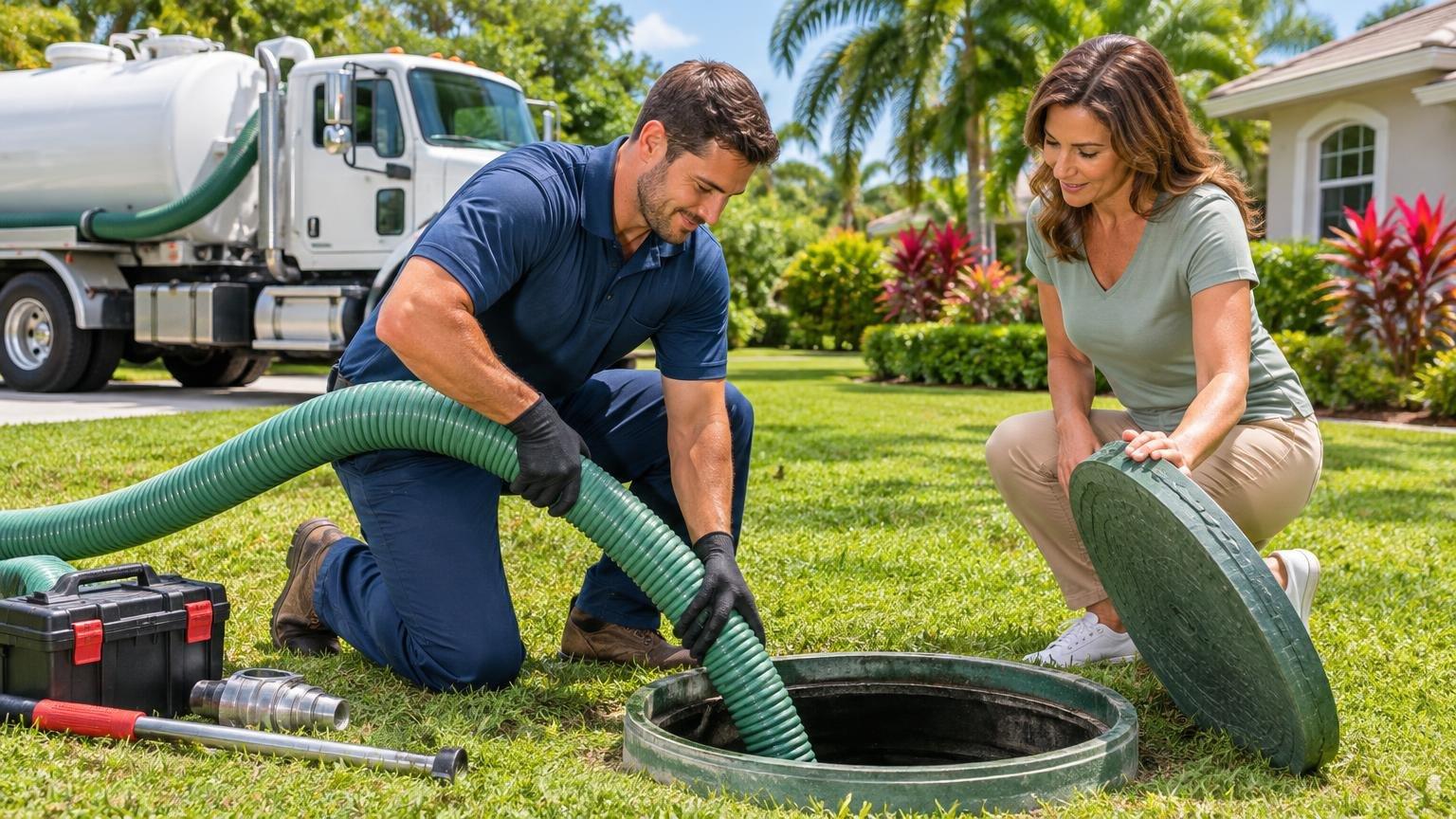
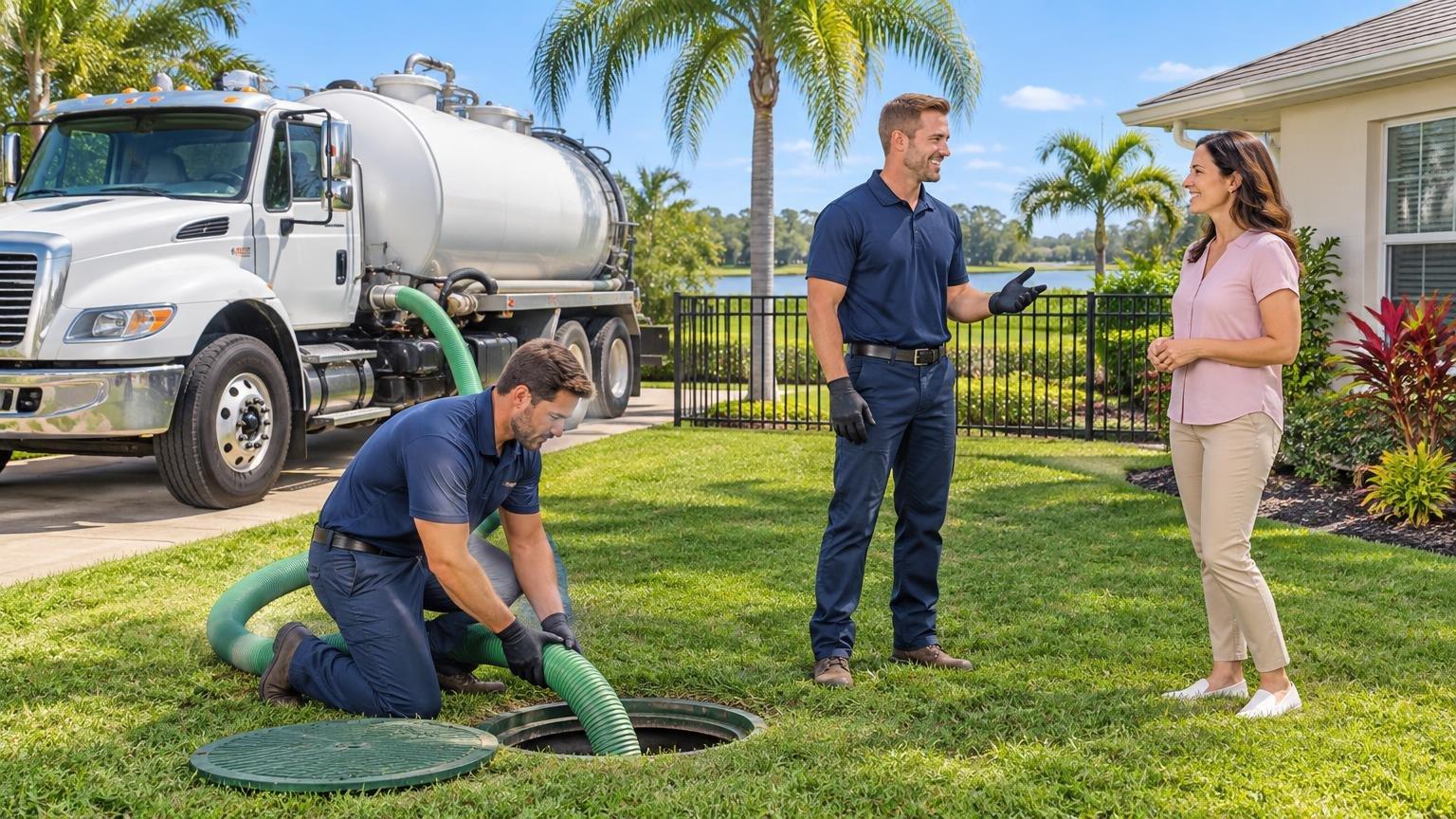
Professional septic pumping should never be treated as a do-it-yourself task. Our technicians locate the tank access point, open the tank safely, check the liquid level, and remove the accumulated wastewater, floating scum, and settled sludge.
Removing those solids helps protect the drainfield. When a tank becomes too full, solids can move toward the outlet and into areas where they do not belong. That can create bigger concerns beyond the tank itself.
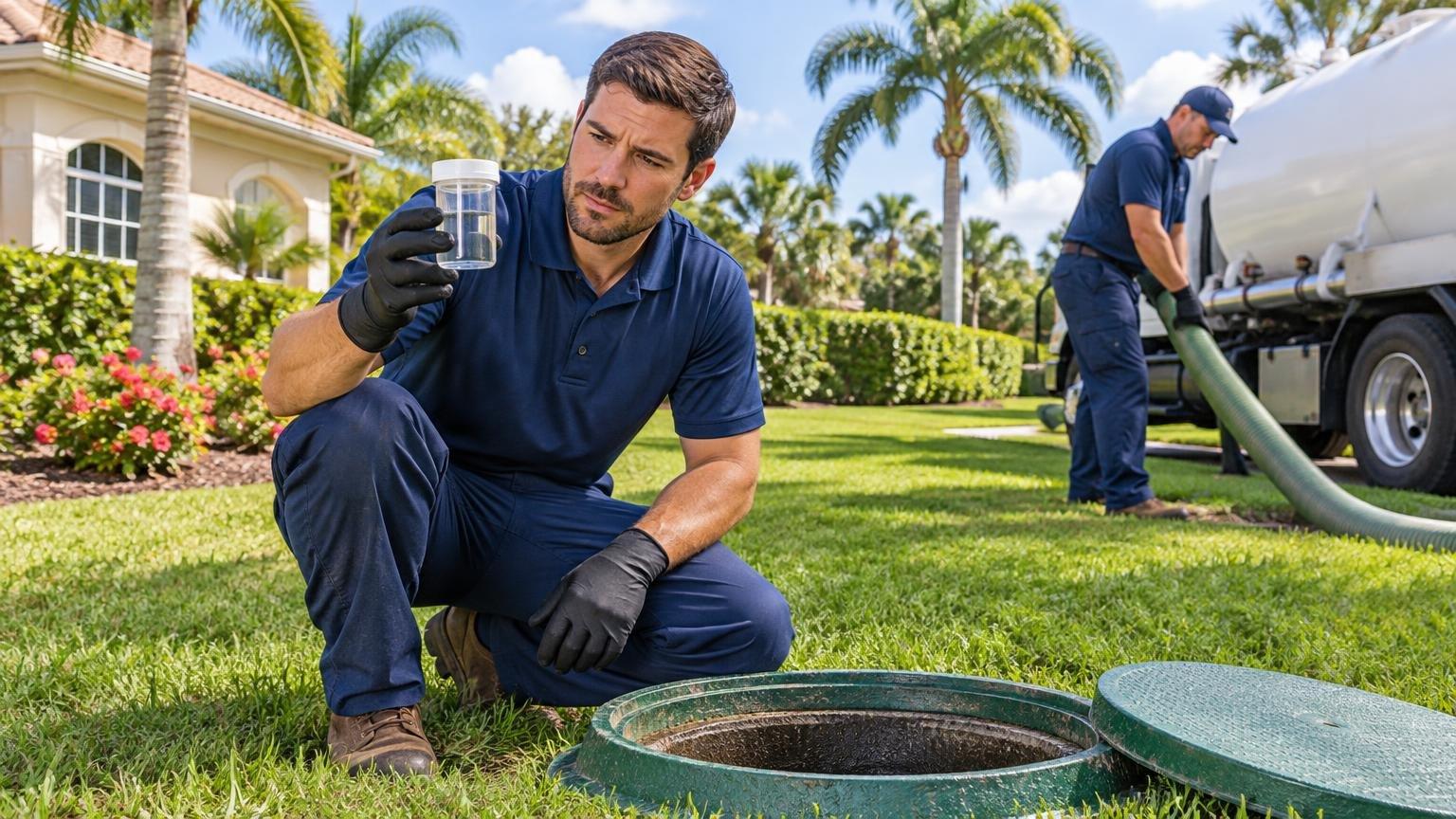
During service, we also look at visible, accessible parts of the system, including:
- Tank walls and lids
- Inlet and outlet connections
- Baffles or tees
- Filters, when applicable
- Risers and access openings
A pumping visit may show that follow-up work is needed, such as clearing a blockage, repairing a damaged part, or checking for possible drainfield stress. It does not automatically mean your entire septic system needs to be replaced. Often, early repairs can address one specific issue.
Tank Findings That May Signal Repair Needs
Baffles and outlet devices are one of the most important parts we check. These components help keep floating scum and solids inside the tank while allowing treated liquid to leave through the outlet. A damaged baffle or missing outlet device can let solids travel toward the drainfield, where they may cause trouble.
We also watch for cracks, deteriorated concrete, corrosion, leaking lids, and damaged risers. These conditions can allow groundwater into the tank, create safety concerns, or make future service harder than it should be. Repairing accessible issues may help the system continue working as intended.
Liquid levels can tell part of the story, too. An unusually high level, wastewater that does not move as expected, or solids near the outlet may point to a blockage or possible drainfield concern. Those signs call for a closer evaluation, not an automatic assumption that the drainfield has failed.
Regular septic pumping service gives you a clearer picture of tank condition before small concerns become larger and more disruptive problems.
Look Beyond the Tank for the Full Picture
The septic tank is only one part of your wastewater system. A full evaluation may also involve the plumbing line entering the tank, the outlet line, drainfield, filters, pumps, alarms, and treatment equipment. For properties with an ATU, or Aerobic Treatment Unit, those added treatment components need ongoing professional attention.
A clean tank does not always solve a drainage issue. If drains stay slow after pumping, we may need to look beyond the tank. The concern could involve a blocked filter, damaged pipe, clogged sewer line, or a drainfield issue.
For homes and businesses connected to public sewer, we also provide sewer line cleaning and camera inspections. Camera work can help identify clogs, pipe damage, root intrusion, and other line concerns without guessing about what is happening underground.
Private septic systems treat wastewater on-site and can help property owners avoid recurring monthly sewer fees. Public sewer follows different rules. In Florida, properties must connect to available sewer when it touches a residential property or is within 500 feet of a commercial property. Where sewer is unavailable, septic systems, ATUs, and nitrogen-reducing systems may be options.
Know When System Upgrades May Be Required
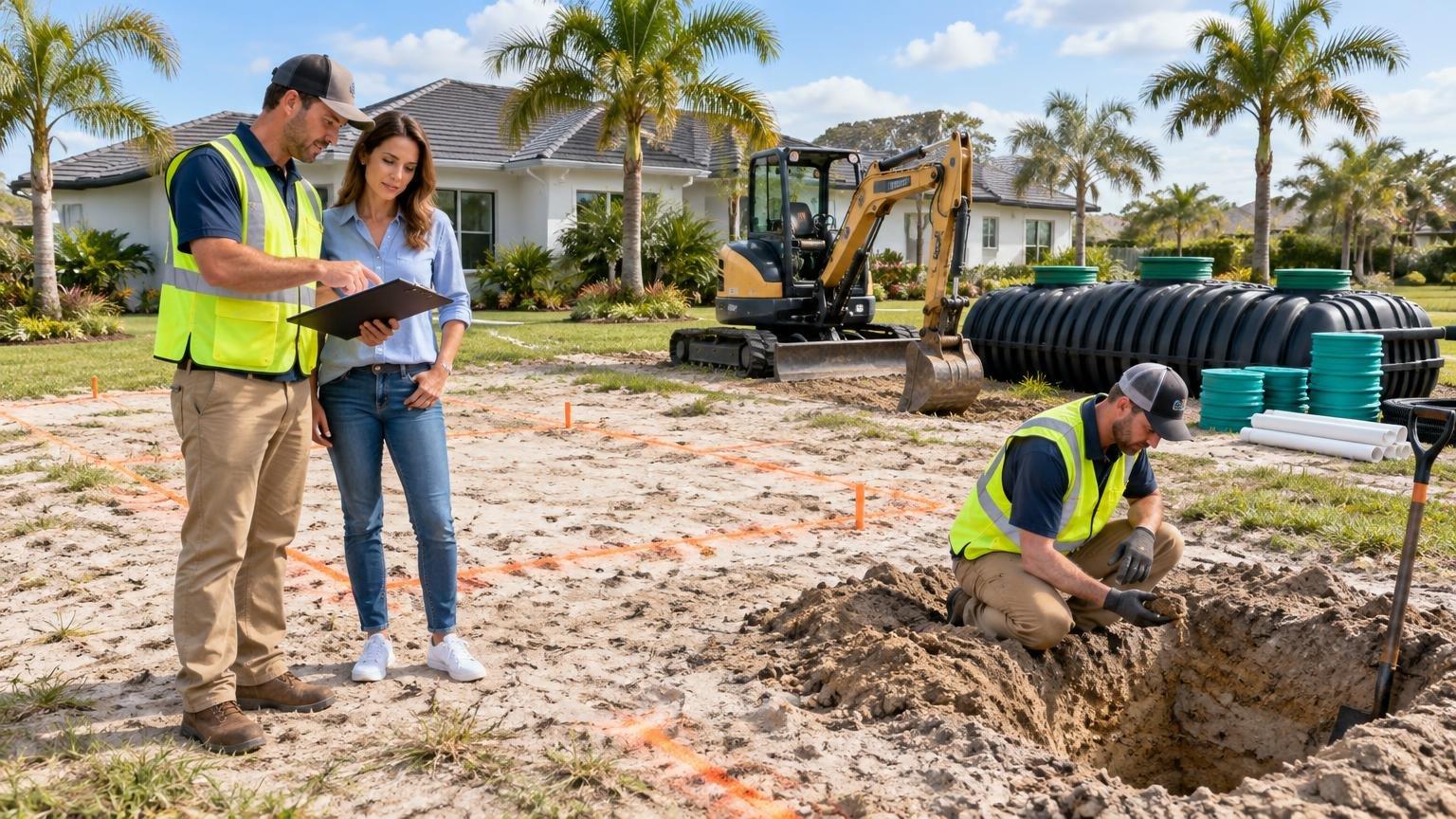
Pumping findings can begin a practical conversation when major work may be ahead. The first question is always sewer availability. If public sewer is available under Florida connection requirements, a property may need to connect rather than install a new septic system.
Where sewer is unavailable, the next consideration is whether the property is in a Basin Management Action Plan, or BMAP, area. BMAP properties require an ATU that provides added treatment beyond a conventional septic system.
For non-BMAP properties without sewer access, a conventional system or an ATU may be appropriate. An ATU can also be considered when reducing the required drainfield footprint would help with property layout or available space.
System selection can depend on several details:
- Available drainfield space
- Property layout
- Wastewater use
- Local requirements
- The condition of the existing system
Rather than treating every property the same, we review the conditions that affect your available options.
Plan Ahead for Ongoing Septic Care
We recommend basing pumping intervals on your tank size, household size, water use, and professional guidance. Waiting for odors, slow drains, or a backup can leave you with fewer choices and more inconvenience, especially during busy holiday periods.
Changes at the property matter. A growing household, frequent guests, a home-based business, or increased water use can affect how quickly solids build up in the tank. Sharing those changes, along with any drainage concerns, helps us recommend the right next step.
Good septic care is not about waiting for a problem. It is about understanding what is happening below ground and addressing concerns while they are still manageable.
Protect Your Septic System With Informed Care
A professional septic pumping service can provide a clearer picture of your tank's condition and help you plan for maintenance or repairs. Our team at Anytime Septic can answer your questions and recommend practical next steps for your system. Contact us to schedule service or speak with an experienced septic professional.
FAQs
How Often Should I Schedule Septic Pumping Service?
Most septic tanks need pumping every one to three years, but the right schedule depends on tank size, household size, water use, and the amount of solid waste entering the system. We can recommend an interval based on your property's needs.
Can Pumping Fix A Failing Drainfield?
Pumping removes solids from the septic tank and helps protect the drainfield, but it does not repair a failing drainfield. If we find signs of drainfield stress, additional evaluation may be needed.
What Can A Technician See During Septic Pumping?
During a septic pumping service, we can inspect visible tank components such as baffles, inlet and outlet areas, tank walls, lids, filters, and signs of unusual liquid levels or solids movement.
Do ATU Systems Need Different Maintenance Than Conventional Systems?
Yes. ATU and nitrogen-reducing systems have added treatment components that require more frequest and ongoing professional maintenance. Regular service helps keep those components operating as designed.
What If My Property Is Connected To City Sewer?
For public sewer properties, sewer line cleaning and camera inspections can help identify clogs, root intrusion, pipe damage, and other line concerns. If drains remain slow, a camera inspection can help determine what is causing the problem.