Know Your BMAP Lot Before Planning a New Septic System
Septic system installation in Central Florida begins with the property, not the equipment. Before you make plans for a new home, replacement system, or commercial project, we recommend checking utility access, site conditions, and whether the lot is in a BMAP area.
BMAP stands for Basin Management Action Plan. In plain English, it is a state and local water-quality program that can change the type of septic system allowed on certain properties. These rules may affect permitting, system design, and the maintenance you will need over time. A conventional septic system may be common nearby, but that does not mean it is approved for your lot.
The right order is simple:
- Confirm whether public sewer is available
- If sewer is unavailable, verify whether the lot is in a BMAP area
- Review drainfield space, site conditions, and system choices
November is a practical time to start this research. Before holiday gatherings and the busier spring and summer service season, you can review property records, ask permitting questions, and plan ahead without rushing major decisions.
Check Sewer Availability Before Considering Septic Options
Public sewer availability is always the first question we address. In Florida, a residential property must connect to public sewer when the sewer line touches the property. Commercial properties must connect when public sewer is available within 500 feet. The local permitting authority can explain how that rule applies to a specific address.
Septic systems, ATUs, and nitrogen-reducing systems are options only where public sewer is unavailable. Public sewer customers generally pay recurring sewer service charges, while private septic owners are responsible for their own wastewater system and its upkeep.
A properly designed private system can provide dependable on-site wastewater treatment when sewer is not available. Still, ownership comes with responsibilities, including regular pumping, professional inspections of existing systems, responsible water use, and prompt repairs when trouble appears.
For septic system installation in Central Florida, confirming utility availability first can prevent a great deal of confusion later. We also work with city sewer customers through sewer line cleaning and camera inspections, so wastewater concerns do not end at the property line just because a building is connected to public sewer.
Confirm Whether Your Property Is in a BMAP Area
Once sewer has been ruled out, the next step is checking the property's BMAP status. BMAP areas have more protective wastewater treatment requirements because of local water-quality management goals.
On a BMAP lot, a new septic system requires an Aerobic Treatment Unit, often called an ATU. Unlike a conventional septic system, an ATU uses oxygen and mechanical components to treat wastewater to a higher level. In applicable BMAP areas, the system must meet nitrogen-reducing requirements.
An upgrade may be required when you are:
- Installing a new septic system on a BMAP property
- Replacing a failed septic system
- Substantially modifying an existing system
- Completing work that triggers current permitting requirements
The exact requirements depend on the property, the permit scope, and agency review. Before buying land, designing a building, or making replacement plans, it makes sense to confirm BMAP status early. Our experienced team can explain the available system options, expected maintenance needs, and the questions to bring to the appropriate permitting agency.
Choose the Right System for Your Lot and Drainfield Space
After sewer availability and BMAP status are confirmed, the lot itself becomes the focus. Drainfield space, soil conditions, property layout, water use, and required setbacks all play a role in septic system design.
Non-BMAP properties may qualify for a conventional septic system or an ATU, depending on the site and project requirements. BMAP properties require an ATU. An ATU can also be helpful on certain non-BMAP lots when a reduced drainfield footprint is needed.
A smaller lot does not automatically mean septic is impossible. It does mean the property needs a professional evaluation to confirm that it can meet setbacks and support the correct treatment and drainfield design. Nearby systems are not a reliable guide because each parcel can have different layout and permitting conditions.
When planning septic system installation in Central Florida, we encourage owners to consider long-term access as well as the initial design. ATUs need electrical service for their treatment components, regular service visits, and alarm monitoring. The system also needs protection from vehicle traffic, structures, and excess runoff.
Plan for Permits, Installation, and Ongoing ATU Care
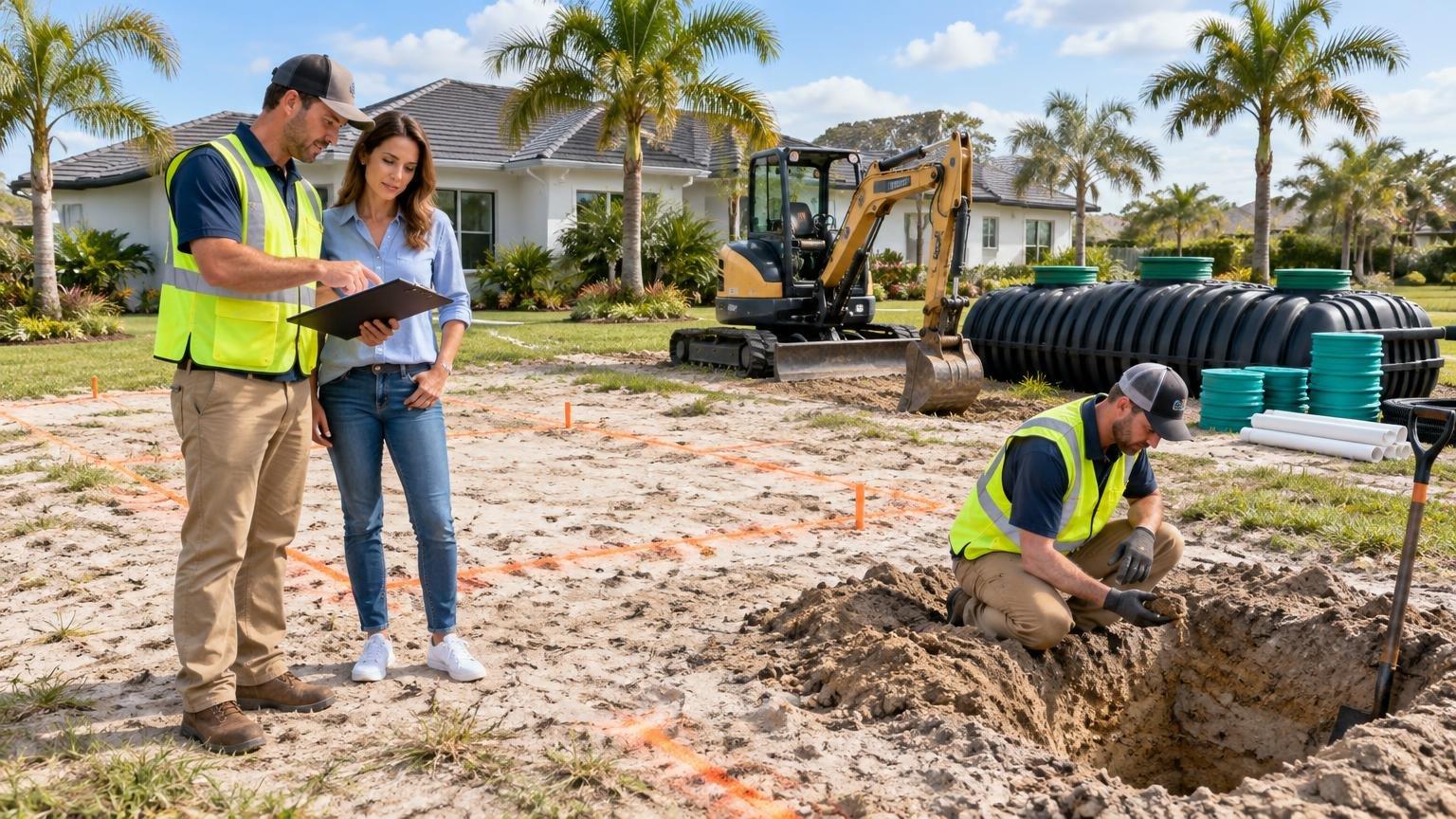
After a system type has been identified, the project moves through site review, system design, permit requirements, installation scheduling, and final approvals from the appropriate local agencies. Each step matters because the system must fit both the property and current requirements.
An ATU is not a set-it-and-forget-it system. Its mechanical treatment components need routine professional maintenance to keep working correctly. Service may include checking aeration equipment, reviewing alarms, inspecting system performance, and pumping the tank when needed.
Watch for signs that deserve prompt professional attention:
- An ATU alarm sounding
- Slow drains or plumbing backups
- Sewage odors around the property
- Wet areas near the drainfield
- Unusual changes in how plumbing fixtures perform
Ignoring an alarm, skipping maintenance, or sending too much water through the system can lead to avoidable problems. November is a good reminder to review ATU service records and address concerns before holiday guests increase household water use. The best plan includes both a properly selected system and consistent care after installation.
Plan The Right System With Confidence
For guidance on permits, site conditions, and system options, our team can help you plan a septic system installation in Central Florida that fits your property. Anytime Septic evaluates sewer availability first, then BMAP requirements and available drainfield space to recommend an appropriate solution. Whether your property needs an ATU or another approved system, we provide clear answers and experienced installation support. Contact us to discuss your project with our team.
Frequently Asked Questions
Is A Septic System Allowed If Public Sewer Is Available?
Residential properties must connect to available sewer when it touches the property. Commercial properties must connect when available sewer is within 500 feet. Septic options apply where public sewer is unavailable.
What Does BMAP Mean For A Septic System Installation?
A BMAP area has additional wastewater treatment requirements. When sewer is unavailable, properties in a BMAP area require an ATU that meets applicable nitrogen-reducing standards.
Can A Non-BMAP Property Use An ATU?
Yes. A non-BMAP property may be able to use a conventional septic system or an ATU. An ATU can be a useful choice when a property needs a reduced drainfield footprint.
How Do I Find Out Whether My Property Is In A BMAP Area?
Start by confirming sewer availability, then check with the appropriate local health, environmental, or permitting authority. We can also help you understand the system questions that apply to your property.
How Often Does An ATU Need Maintenance?
ATUs require ongoing professional maintenance because they include mechanical treatment components. The recommended schedule depends on the system type, permit requirements, household use, and manufacturer guidance. These systems usually require two to 4 visits per year based on the original specifications from the permitting entity or system design engineer.