Everyday Habits That Silently Damage Your Septic System
A healthy septic system should work quietly in the background. When it does, you flush, it goes away, and you do not think about it again. Problems start when small everyday habits slowly damage the tank or drainfield. By the time you notice wet spots in the yard or slow drains, the damage can already be serious.
Your septic system is simple. Wastewater flows from your home into a tank where the sewage is digested, sludge settles to the bottom, oils and grease float to the top, and cleaner water in the middle moves out to the drainfield. In the drainfield, that water filters through the soil. Here in Central Florida, sandy soils, heavy summer rains, and high water tables make that last step more sensitive to how you treat your system.
Most septic failures do not come from one big mistake. They come from small things done over and over: what you flush, how you use the kitchen sink, how much water you send out in a day, and how often you schedule service. The good news is that simple septic system maintenance tips can help protect your system and your budget starting right now.
How Flushing "Conveniences" Creates Expensive Problems
Toilets feel like magic trash cans, but they are not. For a septic system, the rule is very simple: only human waste and regular toilet paper should be flushed. Even items that say "flushable" on the package often do not break down well in a septic tank.
Common things that cause trouble include:
- Cleaning and baby wipes, even if labeled flushable
- Feminine products and their wrappers
- Paper towels, tissues, and thick "shop" toilet paper
- Q-tips, cotton balls, and dental floss
- Kitty litter and small trash items like bandages
Inside your tank, these items do not just disappear. They may float and build a thick layer that blocks the outlet, sink and gather near the bottom, or snag on baffles and pumps. When that happens, the system has to work harder, and more solids can be pushed out into the drainfield. Over time, this shortens system life and can lead to clogs and backups.
In Central Florida, many homes see heavier toilet use during summer when family and friends visit or when vacation rentals stay booked. Guests often treat the toilet like a trash can, and mid-summer backups are a common result.
A few simple house rules help protect your system:
- Post a small "no wipes or trash in the toilet" sign in guest bathrooms
- Keep a small covered trash can next to each toilet
- Check guest or tenant bathrooms more often so bad habits do not become routine
Kitchen Habits That Overload Your Septic System
What goes down the kitchen sink has a big impact on your septic system. Oils, food scraps, and strong chemicals all end up in the tank and then try to move through the drainfield.
Fats, oils, and grease are some of the biggest troublemakers. Hot grease from cooking looks thin and easy to pour, but once it cools in your pipes and tank, it thickens and sticks. Over time, it forms a heavy scum layer in the tank and can coat pipes and inlet areas. This makes it harder for water to flow and can cause clogs that need professional cleaning.
Garbage disposals also add more work for your septic system. When used heavily, they can send a lot of ground-up food into the tank. That extra food becomes solids that settle on the bottom and fill the tank faster. The more sludge and solids in the bottom of the tank, the more often it needs pumping, and the more stress on the drainfield.
Harsh cleaners are another problem. Your septic tank depends on helpful bacteria to break down waste. Constant use of bleach, antibacterial soaps, and strong drain cleaners can weaken or upset that natural balance by killing that good bacteria that is needed to digest what comes into the tank.
Here in Central Florida, holiday cooking and summer cookouts often mean more grease, frying, and big meals. That is a good time to remind everyone in the house about smart sink habits:
- Wipe greasy pans with a paper towel before washing
- Pour cooled grease into a container and throw it away in the trash
- Use sink strainers to catch food scraps and discard them in the trash
- Choose septic-safe, low-bleach cleaning products for routine cleaning
Water Use Habits That Flood Tanks and Drainfields
Your septic system is built to handle only so much water each day. If you send too much water through at once, the tank cannot separate solids well, and the drainfield does not have time to rest between doses. That constant overload can lead to long-term problems.
Common water use habits that cause issues include:
- Running many loads of laundry back-to-back on the same day
- Long showers for several family members in a row
- Letting toilets run or drip without repair
- Small faucet leaks that drip or run all day and night
When the system is flooded with water, solids get stirred up inside the tank and are more likely to leave with the wastewater. Those solids then reach the drainfield and can clog the soil. At the same time, water-logged ground loses its ability to absorb. This can lead to slow drains, gurgling toilets, and even wastewater surfacing in the yard. If you have a filter in your tank, it will also lead to these clogging up which stops the water entering and from leaving the tank.
Central Florida's high groundwater and frequent heavy rains already keep many drainfields wetter than average. Extra indoor water from poor habits adds to that load and can shorten the life of the field.
To give your system a better chance to keep up, try:
- Spreading laundry loads across several days instead of one laundry day
- Installing low-flow showerheads and toilets when you can
- Fixing running toilets and dripping faucets as soon as you notice them
- Making sure roof drains and sump pumps do not send extra water over the drainfield
Pairing these habits with routine inspections and regular pumping is one of the best septic system maintenance tips for Florida's long wet season.
Ignoring Inspections, ATU Service, and BMAP Requirements
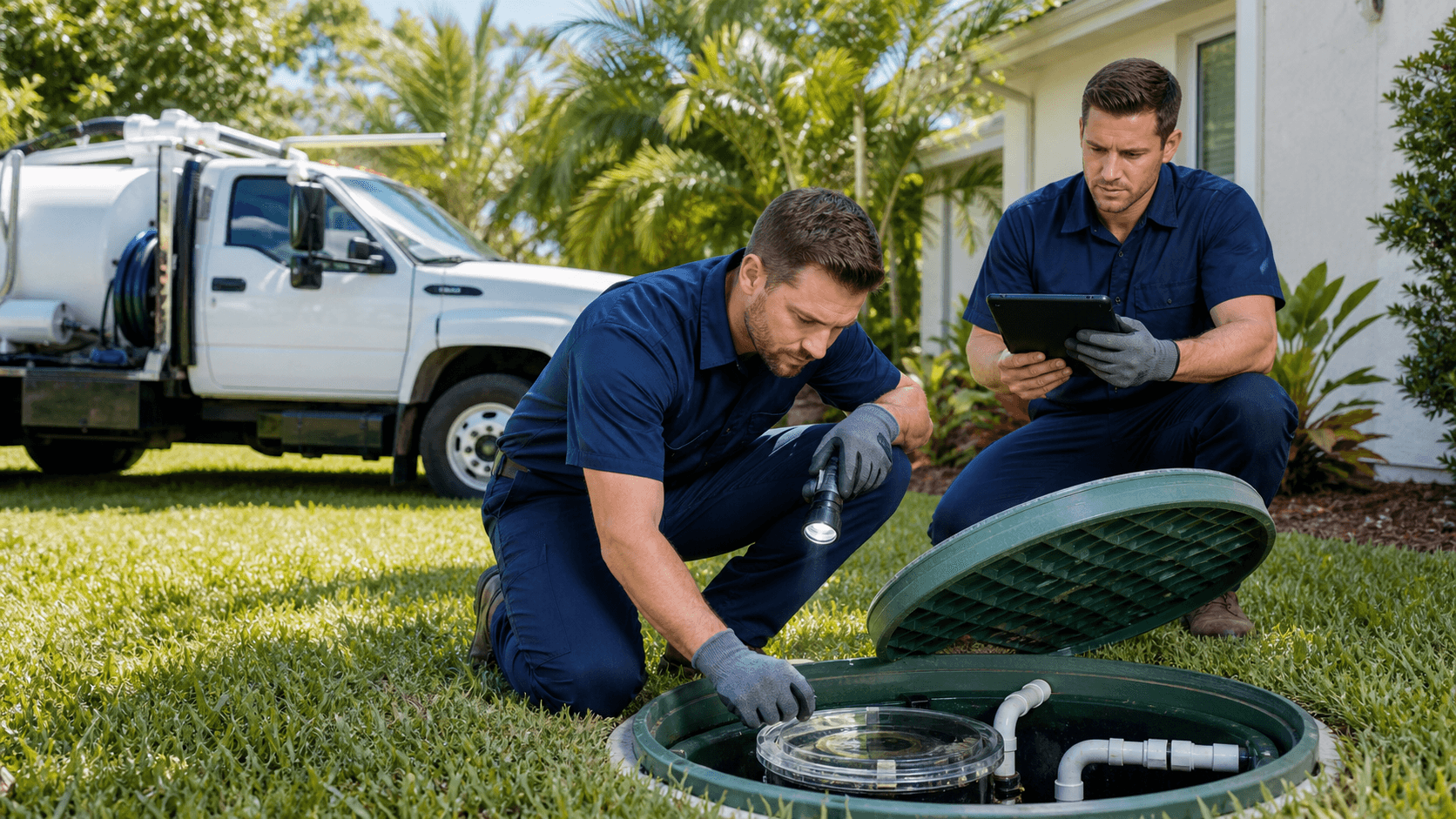
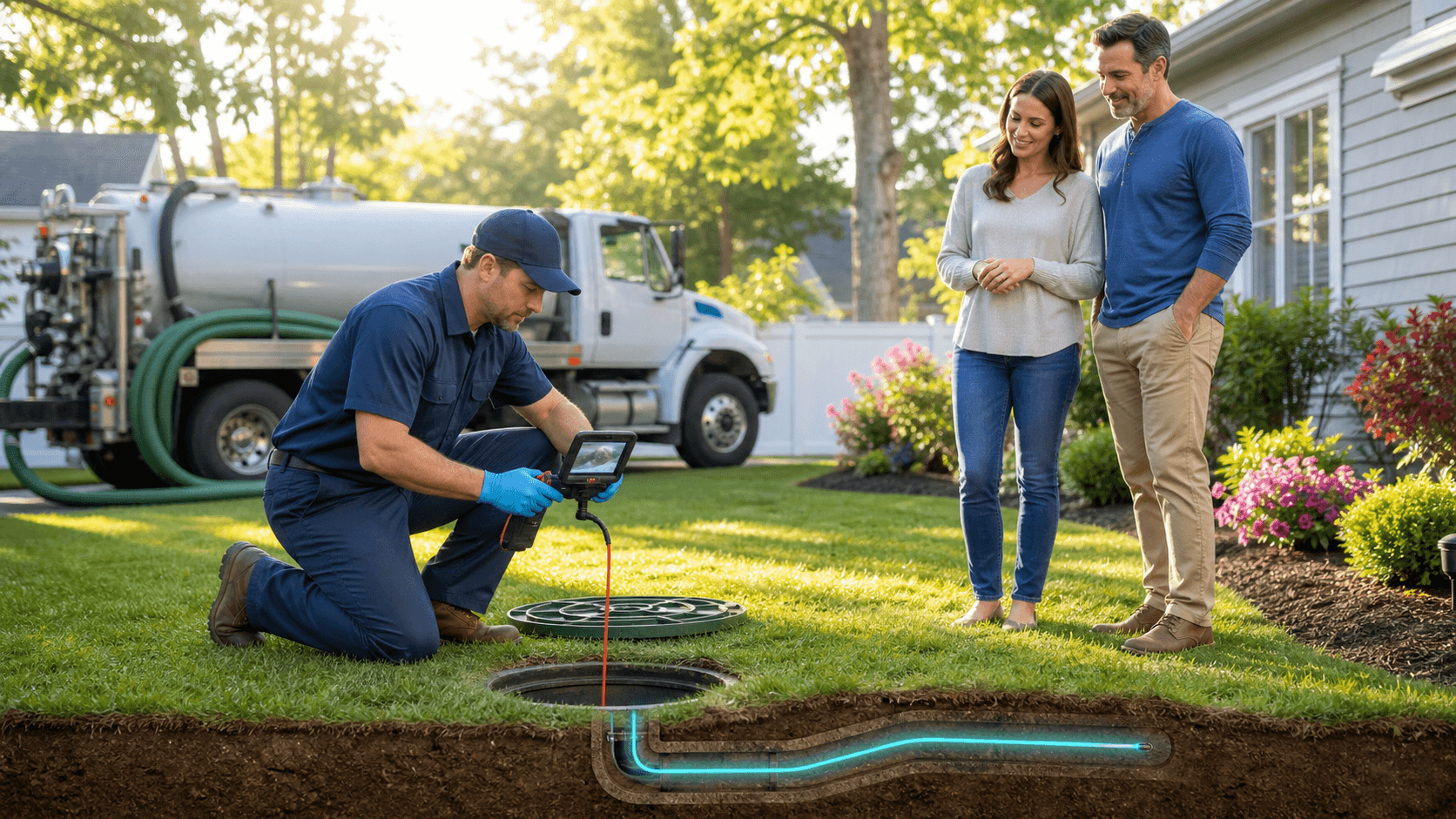
Because your septic system is buried, it is easy to forget about it when everything seems to be working. But most serious problems develop slowly, out of sight, long before you smell odors or see sewage in the tub. Skipping regular service is one of the fastest ways to shorten your system's life.
Most homes and small businesses need the tank pumped on a regular schedule, based on tank size and how many people use the building. Homes with larger families, rental properties, and places with heavy water use often need more frequent service.
Some Central Florida properties use ATUs, or Aerobic Treatment Units. In simple terms, an ATU adds air and extra treatment steps so the wastewater is cleaner before it reaches the drainfield. Nitrogen-reducing systems are a type of advanced system that helps lower nitrogen in the wastewater, which is important in certain sensitive areas.
BMAP areas, short for Basin Management Action Plan areas, are zones where state and local rules require stronger protection for groundwater. In these areas, homeowners may need to install or upgrade to nitrogen-reducing systems when replacing or making major changes to a septic system. Service contracts and regular ATU maintenance visits are usually part of keeping these systems working correctly. Skipping these visits can lead to alarms beeping, bad smells, and system failures.
Anytime Septic provides inspections, pumping, repairs, ATU service, and help with understanding BMAP requirements for properties in Orlando and across Central Florida.
Everyday Habits That Protect Your Septic Investment
Small changes in daily habits can add years to your septic system and help avoid stressful emergencies. The main things to avoid are:
- Flushing wipes, feminine products, and trash
- Pouring cooking grease and oils down the drain
- Heavy garbage disposal use for most food scraps
- Constant use of strong chemicals and bleach
- High water use patterns like marathon laundry days and long back-to-back showers
A simple "healthy system" checklist might look like this:
Bathroom:
- Only flush waste and toilet paper
- Keep trash cans in each bathroom
- Watch for slow drains and gurgling sounds
Kitchen:
- Scrape plates and pans into the trash, not the sink
- Collect and trash grease
- Use strainers and septic-safe cleaners
Water Use and Maintenance:
- Spread out laundry days
- Fix leaks and running toilets quickly
- Keep heavy roof and yard water away from the drainfield
- Follow a regular schedule for septic inspections and pumping
Good habits help your system last longer, reduce emergency calls, and lower the chance of needing a full drainfield replacement. For homes on private septic, this also means you can enjoy the benefit of no recurring city sewer bills while still protecting your property. Homes and businesses on city sewer can also benefit from many of these drain habits and can use professional sewer line cleaning and camera inspections if backups or slow drains show up.
Strong everyday habits, paired with expert help when needed, give your septic system the best chance to keep working quietly in the background for years.
Protect Your Home With Proactive Septic Care
If you are ready to keep your system working reliably year-round, we can help you take the next step. Start by reviewing our practical septic system maintenance tips so you know exactly what to watch for and how to prevent costly problems. At Anytime Septic, we use these proven practices every day to protect our customers' homes and property. If you would like tailored advice or need service soon, please contact us so we can review your system and recommend the right plan.