A routine septic pumping visit at a Lake Mary home usually takes about an hour on average. The exact time can change based on tank size, how much solid material has built up, and whether the access lids are easy to reach.
Septic pumping in Lake Mary is more than removing wastewater. During service, we access the tank, remove its contents, look for visible concerns, and explain any next steps that may make sense for your system. Planning routine pumping before holiday guests arrive can also help you avoid adding extra strain to a full tank during a busy time of year.
Most Lake Mary Septic Pumping Visits Take Approximately One Hour
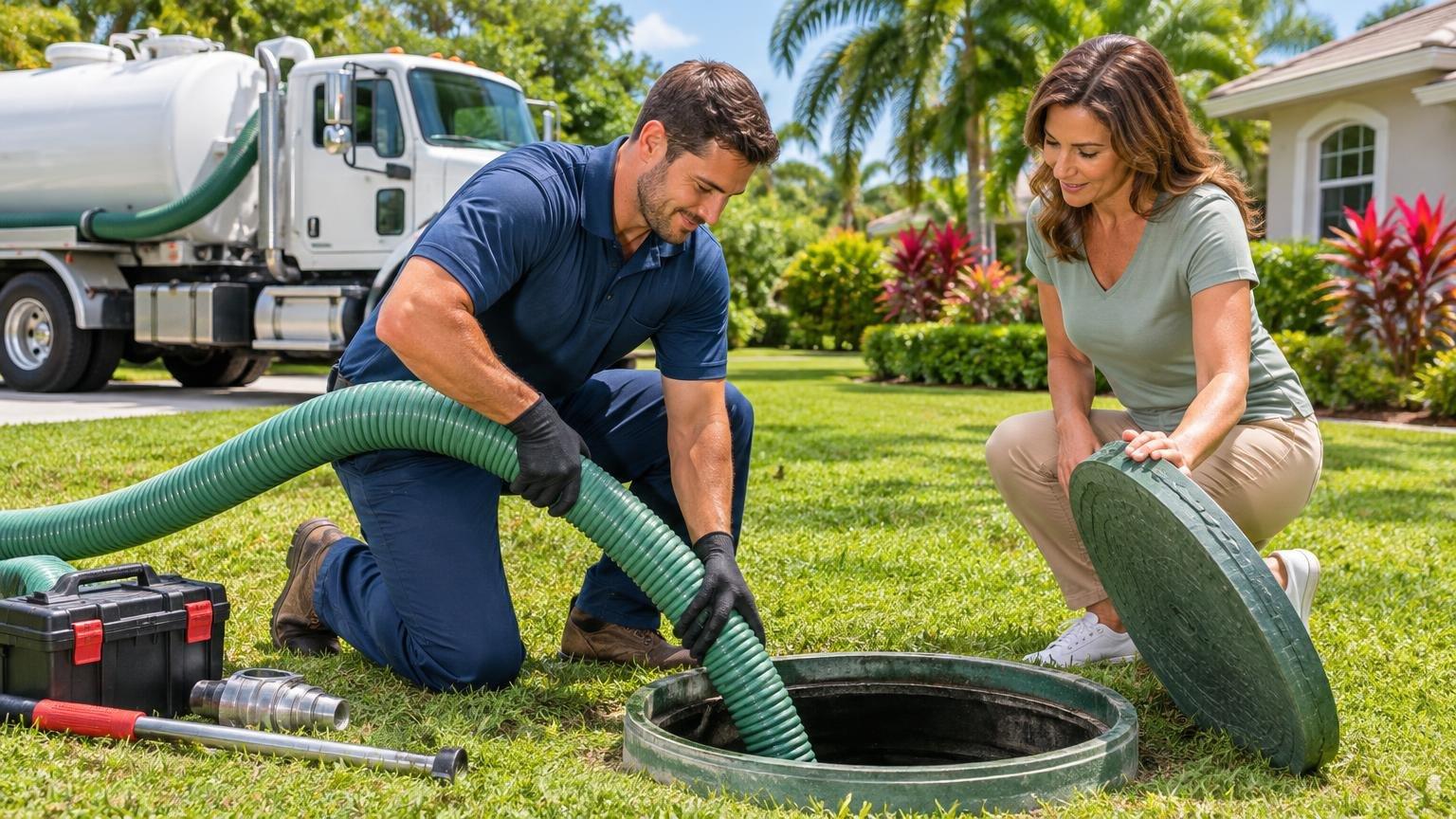
For a typical system with accessible lids, pumping is a straightforward maintenance visit. We locate the tank, open the lids, pump out the liquid and solids, and check the tank's general condition before closing everything back up.
The service can take longer when we find heavy buildup or access is limited. A tank that has not been pumped for several years may need more time for thorough removal of sludge and scum. That extra time is worthwhile because solids left behind can eventually move toward the drainfield and create bigger problems.
November is also a smart time to plan maintenance. Lake Mary does not have frozen-ground delays, but holiday schedules can fill quickly. Heavy rain may also make some tank areas softer or harder to access. Taking care of pumping before visitors, extra laundry, and holiday cooking increase water use can make the season easier on your septic system.
What Affects Septic Pumping in Lake Mary
Several details determine how long we spend at your property. Tank capacity matters, but the tank's condition and access can matter just as much.
Common factors include:
- The size and capacity of the septic tank
- The amount of sludge and scum inside the tank
- How long it has been since the last pumping
- Whether lids, risers, or cleanouts are easy to access
- Whether landscaping, vehicles, or other items block the tank area
Heavy solids buildup does not always mean there is a backup, but it can make the pumping process take longer. We recommend routine service instead of waiting for warning signs. A backup can point to a full tank, but it can also be related to plumbing, drainfield, or sewer line trouble.
Buried or hard-to-find lids can add time as well. When you set up service, it helps to share any records you have, such as a septic diagram, prior service information, or the approximate tank location. Even a rough idea of where the system sits can help us arrive better prepared.
What Happens During a Professional Pumping Visit
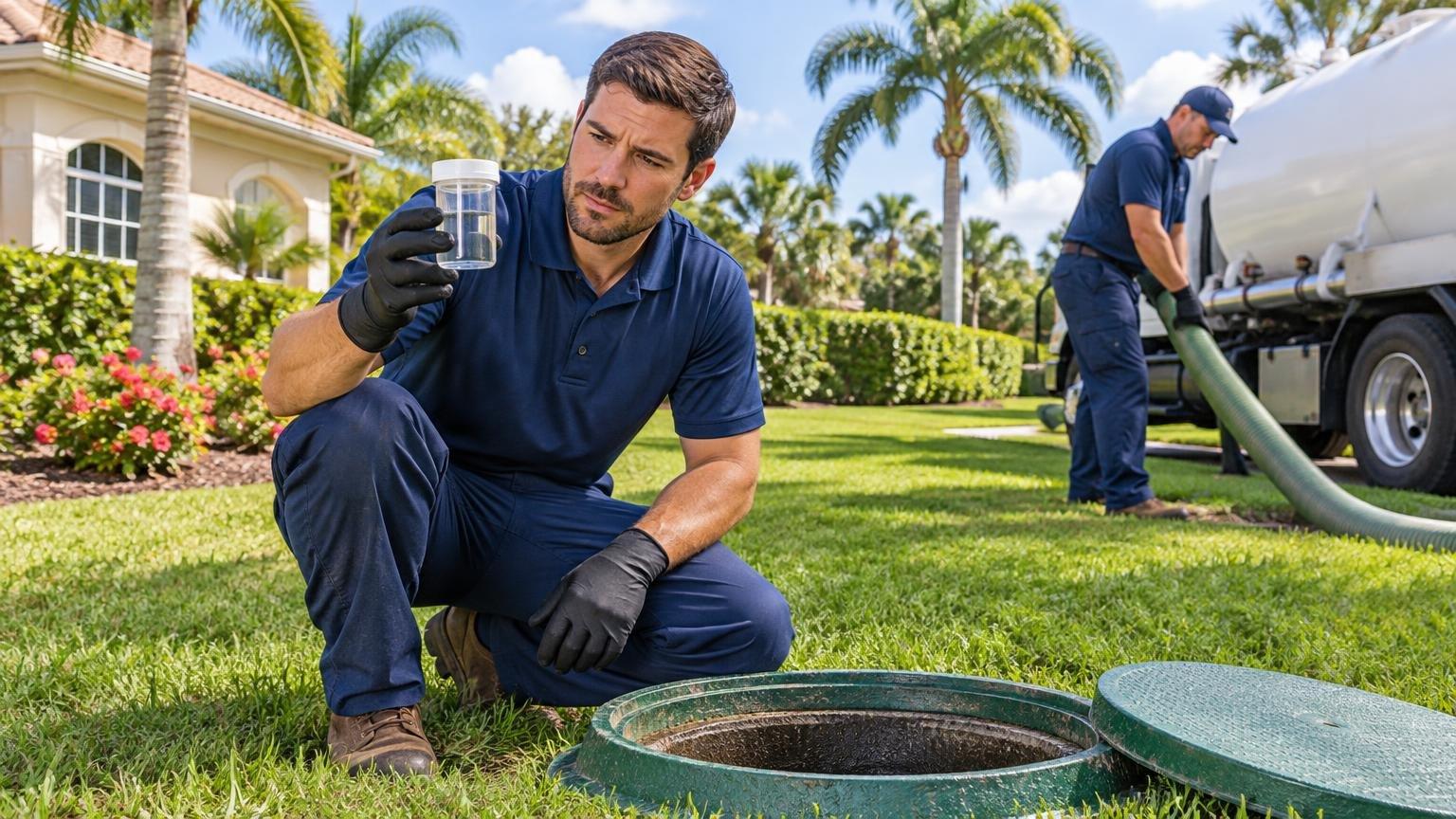
Our technician begins by confirming the tank location and gaining access to the lid or riser. From there, we pump the stored liquid and accumulated solids from the tank. The goal is to remove the material that naturally collects over time before it has a chance to affect the rest of the system.
While the tank is open, we also watch for visible concerns, including:
- Damaged or missing baffles
- Unusual liquid levels
- Broken tank lids or risers
- Signs that the system may need further evaluation
Pumping removes the contents of the septic tank, but it does not repair every septic issue. For example, slow drains, recurring backups, or wet areas near the drainfield may need a separate inspection or repair assessment. If we see a concern, we explain what was observed and whether more diagnostic work may be appropriate.
During a pumping visit, we focus on giving you clear information, not guesswork. Sometimes your system simply needs routine maintenance. Other times, the pumping visit provides an early warning that allows you to address a problem before it grows.
Preparing for a Smooth Service Appointment
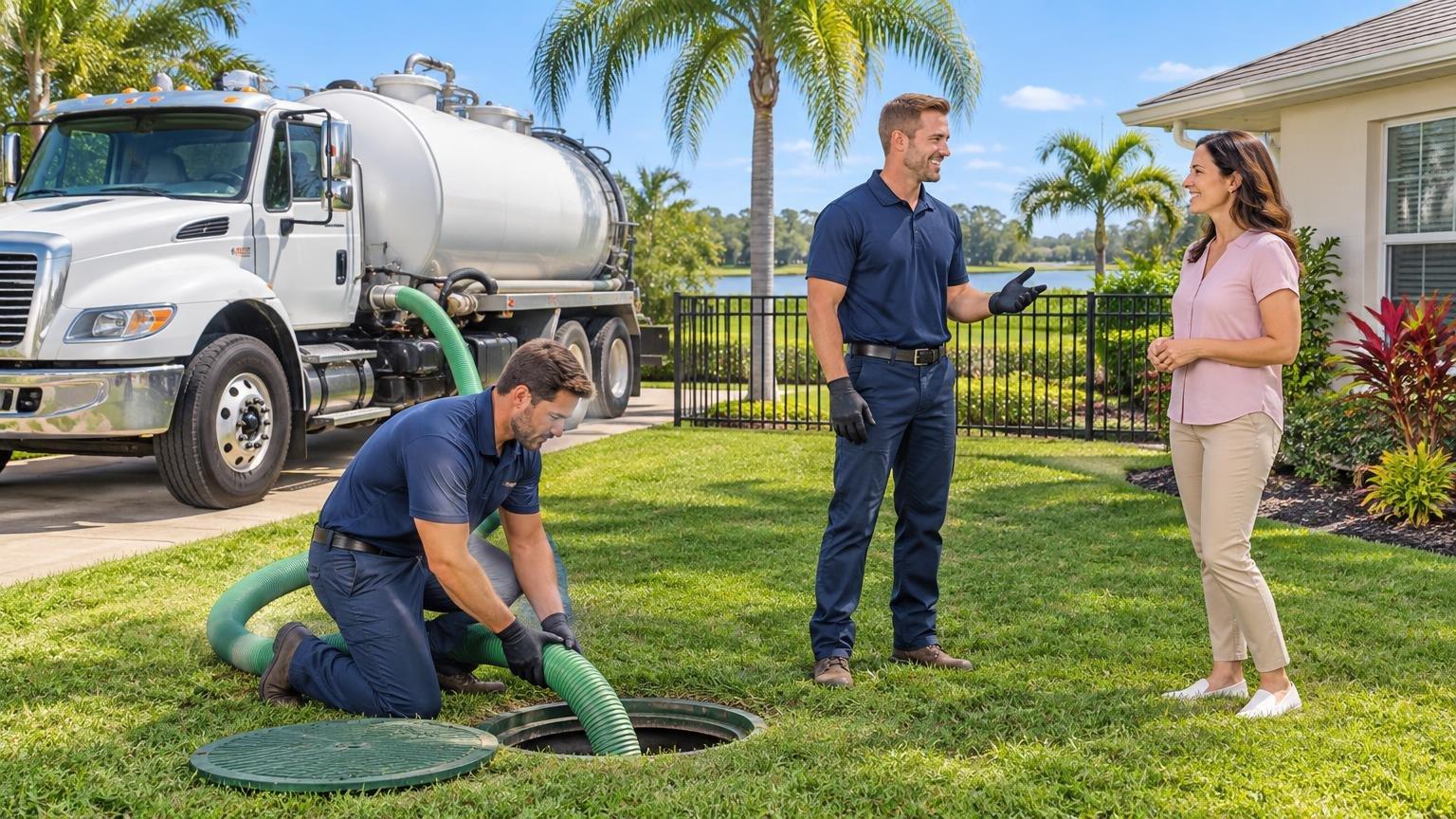
A little preparation can help keep your visit moving. Before we arrive, clear the area around the suspected tank location. Move vehicles, patio furniture, potted plants, and other objects that could block access. If a gate is locked, make sure it is unlocked or that access arrangements have been confirmed ahead of time.
It is also helpful to point out any septic components you know about, such as tank lids, risers, cleanouts, alarm panels, or Aerobic Treatment Unit equipment. If your home has an ATU, maintenance records can help us understand the service history and identify any concerns that may need attention.
Routine pumping may lead to additional service when we find damaged baffles or filters, a broken lid, unusually high liquid levels, persistent odors, slow drains, wet drainfield areas, or repeat backups. Pumping can reveal these warning signs, but a full inspection, camera inspection, sewer line evaluation, or drainfield assessment may be needed to identify the cause.
Homes connected to public sewer do not need septic pumping. They may still need sewer line cleaning or camera inspections for clogs, root intrusion, or damaged pipes. In Florida, properties must connect to available sewer when it touches a residential property or is within 500 feet of a commercial property. Where sewer is unavailable, the next step is determining whether the property is in a BMAP area. BMAP properties require an ATU or nitrogen-reducing system. For non-BMAP properties, drainfield space and site conditions help determine whether a conventional system or an ATU is appropriate, and an ATU may reduce the drainfield footprint.
Keep Your Septic Service On Schedule
When it is time to arrange septic pumping in Lake Mary, our team can help you plan service around your household's needs. Anytime Septic provides dependable pumping for homeowners who want clear answers and careful service. If you have questions about your tank's pumping schedule or need to book an appointment, contact us today.
Lake Mary Septic Pumping FAQs
How Long Does Septic Pumping Take At A Lake Mary Home?
Most routine appointments take approximately 1 hour. Tank size, access, and the amount of buildup inside the tank can affect the total time.
Do I Need To Be Home During Septic Pumping?
It is always a good idea to be home for any service to your system.It is helpful for someone to be available to answer questions and provide access to gates or the tank area, as well as flushing the toilets so we can make sure everything is flowing properly into the tank.
How Often Should I Schedule Septic Pumping?
Many homes need pumping every one to three years, but the right timing depends on household size, tank capacity, water use, and the kind of septic system you have.
Will Septic Pumping Fix Slow Drains Or Sewage Backups?
Pumping can help when a full tank is causing the issue. Slow drains and backups can also point to plumbing, drainfield, or sewer line problems that need further evaluation.
Do ATU Systems Need Different Maintenance?
Yes. ATUs need regular professional maintenance in addition to pumping. Keeping service records and addressing system alarms promptly can help you stay aware of your system's condition.