Why Septic Pumping Matters in Orlando
A septic tank is basically a big underground holding and treatment tank for everything that goes down your drains and toilets. It separates the waste, keeps the solids in the tank, and sends cleaner water out to the drainfield in your yard. That drainfield is what lets the water soak safely back into the ground.
Regular pumping is the single best thing you can do to protect that drainfield and avoid big repairs. If you are wondering how often a septic tank should be pumped in Orlando, the answer depends on your household size, water use, and the type of system you have. In this article, we will walk through how your system works, how often to pump, what warning signs to watch for, and why staying ahead of problems saves you stress and money.
How a Septic System Works and Why the Tank Fills Up
A standard septic system has three basic parts: the pipe leaving your house, the septic tank, and the drainfield. Wastewater from sinks, showers, toilets, and laundry flows into the tank first. From there, the tank and the drainfield work together to treat and release the water into the soil.
Inside the tank, three layers form over time:
- Heavy solids sink to the bottom and build up as sludge
- Fats, oils, and grease float to the top as scum
- The relatively clear liquid in the middle flows out to the drainfield
Bacteria in the tank break down some of the solids, but not all of them. The sludge and scum layers keep growing. Those solids do not disappear on their own. To decide how often a septic tank be pumped, it helps to understand what is happening inside the tank day after day.
If the tank is not pumped often enough, the solid layers get too thick and start to escape into the drainfield. That clogs the drain lines and the surrounding soil. When that happens, water has nowhere to go, and you start to see backups, wet spots, and other headaches. Regular pumping clears those solids out of the tank so they stay out of the drainfield.
How Often Should Your Septic Tank Be Pumped in Orlando?
In our warm, busy Central Florida area, septic systems work all year long. They never really get a break. For most homes, we usually recommend pumping every 1 to 3 years. That range is a safe starting point, but the right schedule for you depends on how many people live in the home and how much water you send down the drains.
Here is a simple way to think about it:
- 1 to 2 people with moderate water use: often every 2 to 3 years
- 3 to 4 people: usually closer to every 1 to 2 years
- Larger families or homes with heavy water use: often every year, or as advised after an inspection
Water habits matter just as much as how many people live in the home. Long daily showers, multiple loads of laundry in a day, frequent guests, or lots of dishwashing all add up. Garbage disposals can also add more solids to the tank, which means it fills up faster.
So, how often should a septic tank be pumped for your specific home? The best answer comes from a combination of your headcount, your water habits, and what a professional sees inside the tank during an inspection. There is no one-size-fits-all answer to how often a septic tank should be pumped, but 1 to 3 years is a good starting point for most Orlando properties.
Get your exact schedule in one phone call. Tell us your household size, your water habits, and when the tank was last serviced, and we can give you a real answer. Call Anytime Septic at 407-740-6816.
Signs You Are Waiting Too Long and Why Maintenance Saves Money
Many homeowners wait until they notice a problem before thinking about pumping. By that point, the system is often already stressed. Some common warning signs include:
- Slow draining sinks, tubs, or showers
- Gurgling sounds in drains or toilets
- Sewage odors inside or outside the home
- Wet or soggy spots near the septic tank or drainfield
- Toilets that are harder to flush or back up often
If you are seeing these signs, you have likely gone too long between services, regardless of how often septic tanks are pumped according to general guidelines. Pumping on a routine schedule is almost always easier than fixing a system that has started to fail.
Regular pumping and inspection help you:
- Keep solids inside the tank where they belong
- Protect the drainfield from clogs and overload
- Catch small issues before they turn into big repairs
- Extend the useful life of your whole system
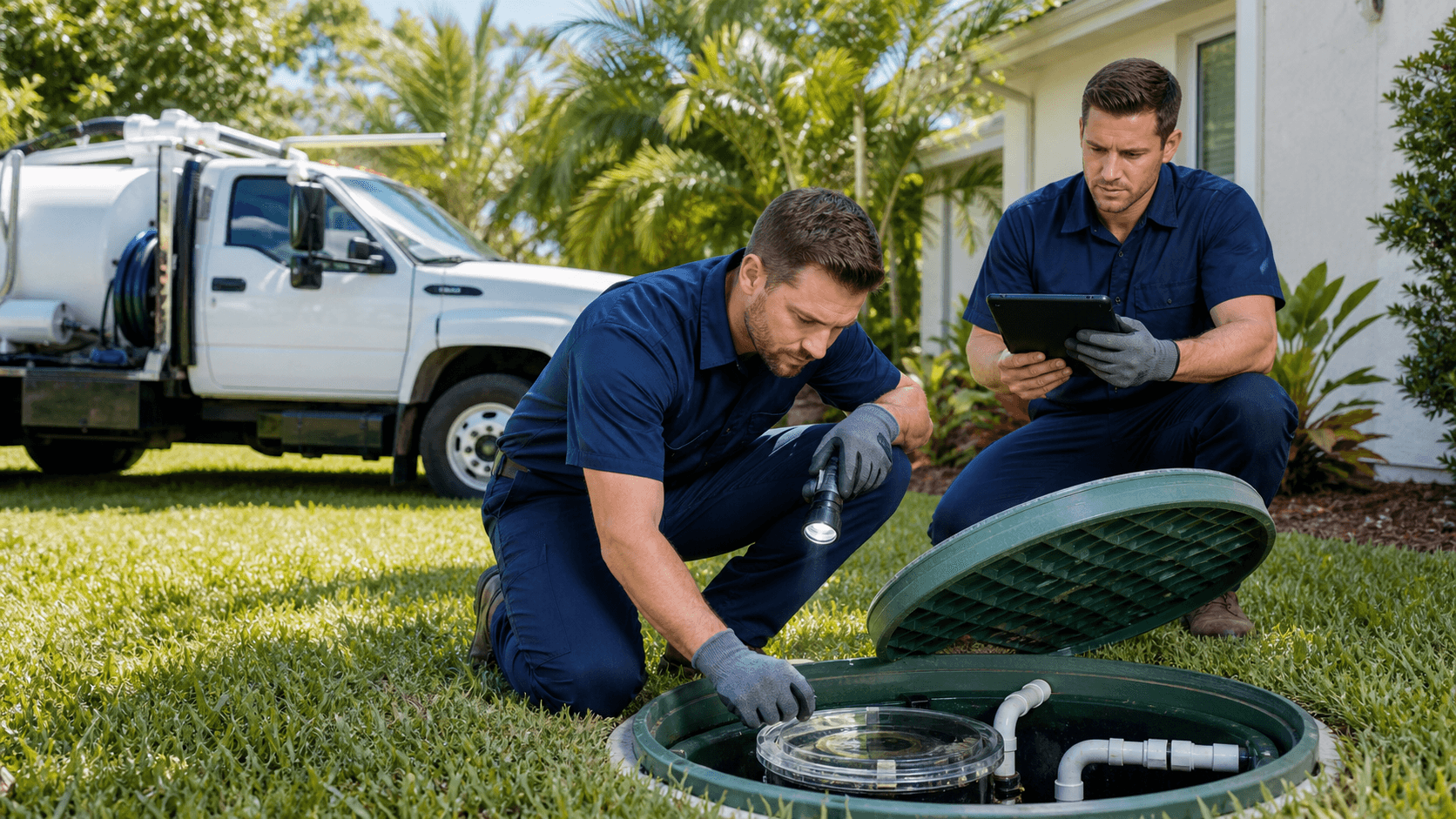
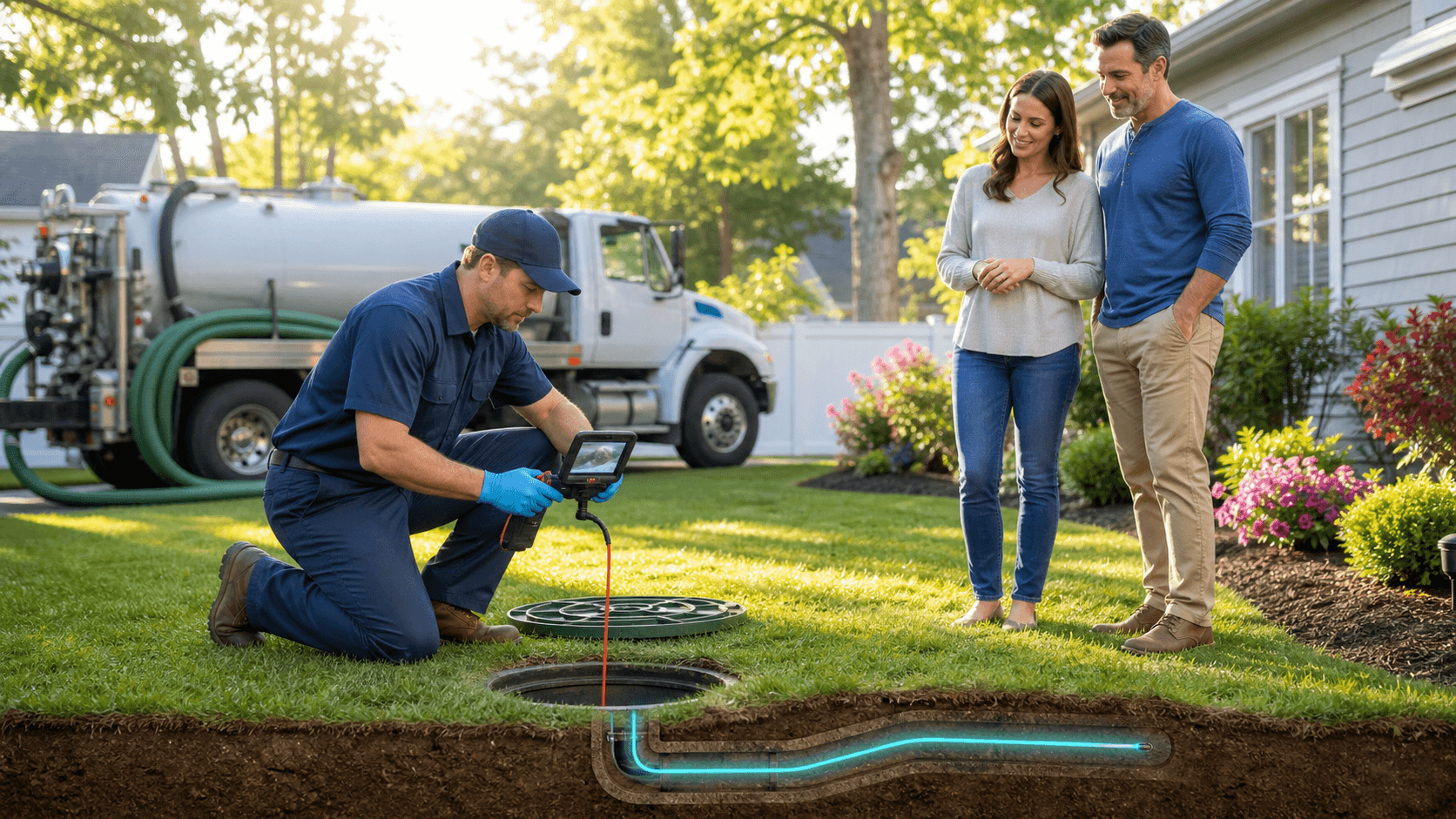
When we pump a tank, we do need to uncover the lids to reach it. That is a normal part of proper service, but it is not excavation of the drainfield. We are not digging up the drainfield or tearing up the yard to maintain the system. When we need to look deeper into pipes or a drainfield, we can use camera inspections inside the lines. That lets us see what is going on without damaging the yard or the drainfield.
Special Systems, City Sewer Homes, and What to Expect During Pumping
Not every property has a simple, standard septic tank. Some homes and businesses around Central Florida have ATUs, which are aerobic treatment units that use air to treat wastewater, or nitrogen-reducing systems that are designed to lower nitrogen going into the soil. These systems are more complex than a basic tank. In certain BMAP, or Basin Management Action Plan, areas, homeowners may be required to upgrade older systems to nitrogen-reducing units if they are installing a new system, replacing a failed drainfield, or making changes to the home that increase bedrooms or wastewater flow.
These advanced systems still need regular pumping and professional inspections, sometimes more often than a standard tank. For ATUs and nitrogen-reducing systems, how often the tank should be pumped can be different from a standard tank, so it is important to follow the maintenance schedule recommended by your technician and by the system manufacturer.
If you are on city sewer instead of a septic system, you do not have a septic tank to pump, but you still have pipes leaving your home that need to stay clear. Those lines can build up grease, debris, or even roots that sneak in through small cracks. If you are on city sewer, you do not need to worry about how often the septic tank should be pumped, but you do need to think about the health of your sewer line. Professional sewer line cleaning and camera inspections help find blockages or damage without digging up the yard.
During a professional pumping and inspection, you can expect a clear, step-by-step process:
- We locate and uncover the septic tank lids.
- We safely pump out the solids and liquids from the tank.
- We inspect the visible parts such as baffles and lids.
- We check for signs that the tank or drainfield may be under stress.
- We review what we found and discuss a recommended pumping schedule.
Septic systems hold wastewater and gases, so they are not safe DIY projects. After your visit, you will have a clear, personalized recommendation on how often your septic tank should be pumped for your home and your system.
Frequently Asked Questions About Septic Pumping in Orlando
Can I wait until there is a problem before pumping?
Waiting for a backup or odor before pumping usually means the system has already been pushed too far. By that time, the drainfield may have started to clog, and repairs can be more involved than a simple pumping and inspection.
Do garbage disposals or water softeners affect how often should septic tank be pumped?
Yes. Garbage disposals add extra food solids to the tank, which means faster buildup. Systems that send more water through, such as some water softeners, can also affect how often the septic tank should be pumped, because more flow means less settling time and more stress on the drainfield. Water softeners should never drain into the septic system not only because of the extra water, but also product used to soften the water can be harmful to the bacteria in the tank.
Is there anything I should avoid flushing to reduce how often we need pumping?
It helps to avoid:
- Wipes, even if they say flushable
- Feminine products
- Paper towels and cotton swabs
- Fats, oils, and grease
- Harsh chemicals or paint
These items do not break down well, take up space in the tank, and can harm the natural bacteria that help the system work.
Does using more water change how often a septic tank should be pumped?
Yes. Homes with higher water use, like frequent loads of laundry, long showers, or lots of guests, often need more frequent pumping. More water means more wastewater moving through the system every day. Your system is designed to take a certain amount of water daily.
Exceeding that daily gallon amount can also overload your drainfield causing premature failure.
How do I know if my home is in a BMAP area or needs a nitrogen-reducing system?
Certain parts of Central Florida fall under BMAP rules. These areas have specific guidelines about when a homeowner needs to upgrade to a nitrogen-reducing system, such as when installing a new system, replacing a failed drainfield, or adding bedrooms. Local maps and regulations apply, and a knowledgeable septic professional can help explain what applies to your property. If you are unsure how often your septic tank should be pumped, or what type of system you have, it is always OK to ask for guidance before there is a problem.
Protect Your Home With Reliable Septic Maintenance
If you are still wondering how often a septic tank should be pumped, we can inspect your system and give you a clear, personalized schedule. At Anytime Septic, we help you prevent backups, foul odors, and costly repairs with timely pumping and honest recommendations. Whether you need service now or want expert advice, contact us and we will walk you through your best next steps.
Serving Central Florida:
Orange, Seminole & Volusia: 407-740-6816
Lake, Sumter & Polk: 407-877-7181
Osceola County: 407-396-9566