Is Septic Really Cheaper Than City Sewer?
Septic tank installation cost in Florida is a big question for a lot of homeowners, especially when public sewer is not available to the property. For residential property, city sewer is considered available when it touches the property. For commercial property, it is considered available when it is within 500 feet. When sewer is available under these conditions, the property must connect to sewer by law.
Across Orlando and Central Florida, growth and new rules are expanding city sewer in some areas while other areas remain on onsite systems. Most areas of Florida do not have sewer available unless they are in metropolitan areas, such as downtown Orlando, although sewer infrastructure is expanding. A conventional septic system, ATU, or nitrogen-reducing septic system is an option only where city sewer is not available to the property. In this article, Anytime Septic explains how installation requirements, long-term bills, basic maintenance, and BMAP rules can affect planning for your property.
What Affects Septic Tank Installation Cost in Florida
The price for a new septic system is not just about the tank. Several parts of the job change the total. Here are some of the most common things that shape the cost in Central Florida:
- Tank size that matches your bedroom count and water use
- Soil type and how well it drains
- Drainfield layout and design
- Permit and inspection requirements
- Local health department rules for your area
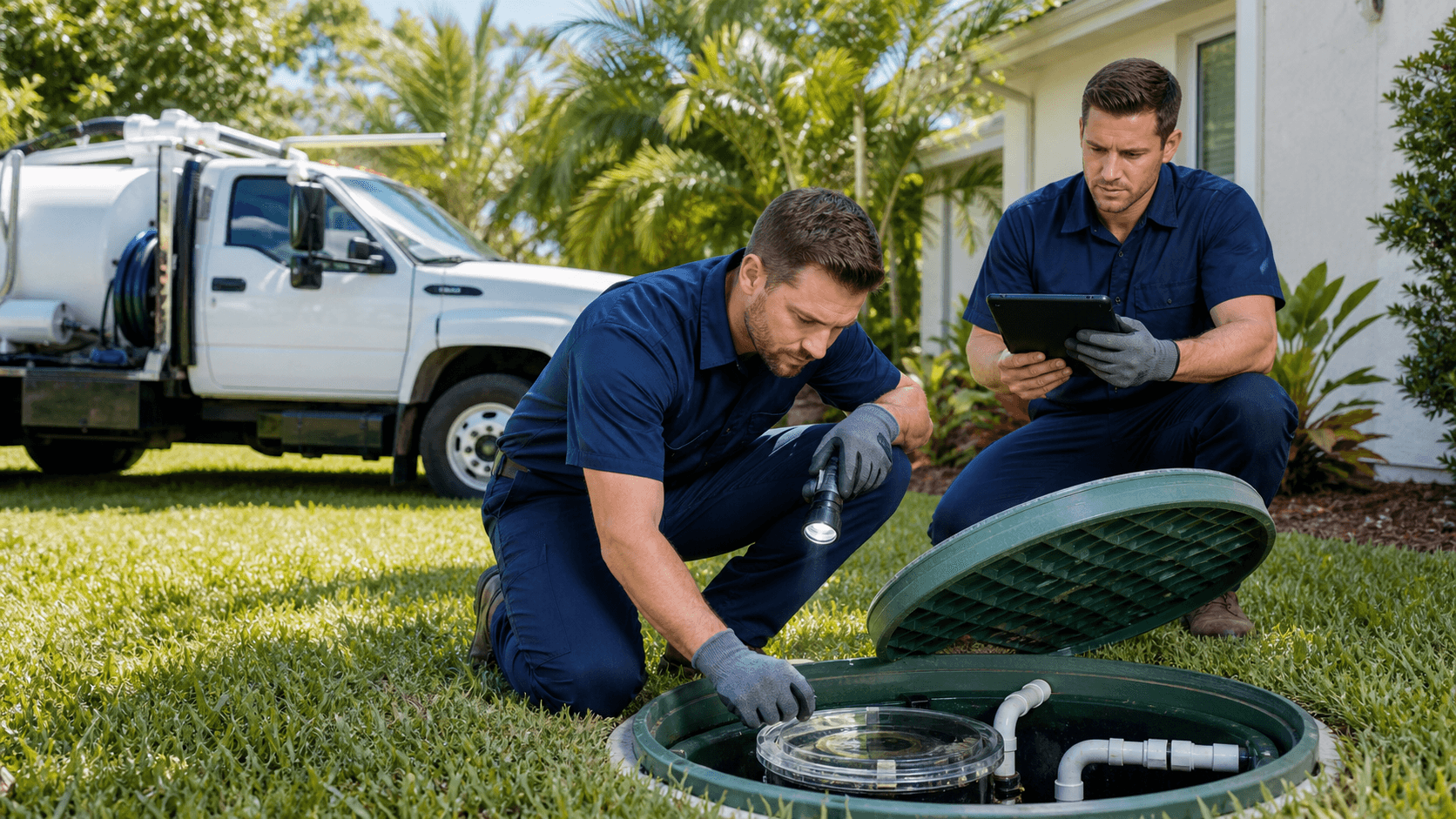
Florida has areas called BMAP zones (Basin Management Action Plan areas). These are near sensitive springs and waterways. Where city sewer is not available and a property uses an onsite septic system, state or local rules in some of these zones may require an ATU (Aerobic Treatment Unit) or a nitrogen-reducing system instead of a basic septic system when you put in a new system or replace a failing one. That can change the upfront cost, but it is sometimes the only way to stay in compliance. BMAP and ATU requirements do not override a legal requirement to connect to available sewer.
Two houses on the same street can get very different quotes. That is because:
- Groundwater can be higher on one lot than another
- Lot size, trees, and landscaping change how equipment can reach the work area
- Some properties have old systems that must be removed or upgraded
- Driveways, patios, or other features might need to be protected or worked around
A proper site visit from an experienced provider like Anytime Septic is the only way to understand what your specific property will need.
Septic Installation vs. City Sewer Hookups
Many owners need to understand septic tank installation cost in Florida and the cost to tie into city sewer when determining the requirements and costs for their property. Where public sewer is legally available, connection is required rather than optional. Where public sewer is unavailable, an onsite septic system, ATU, or nitrogen-reducing system may be used if it meets applicable requirements.
For a typical hookup, you may see:
- Tap or connection fees charged by the utility
- Impact or capacity fees for the added load on the system
- Possible line extensions if the main line is not at your front yard
- Plumbing changes inside or under the building to shift from septic to sewer
Sometimes a basic sewer tap can look cheaper than a full septic install. Other times, the city line is too far away to be legally available, and getting pipe to your property can turn into a large project. In some neighborhoods, sewer is not close at all. In those spots, septic, an ATU, or a nitrogen-reducing system is used because public sewer is unavailable.
When Anytime Septic visits a property, we look at what is actually available and required, not just what sounds good on paper. That way you can understand what applies to your home or business instead of guessing.
Monthly Sewer Bills and Long-Term Septic Costs
City sewer has recurring monthly bills. Most utilities set a base fee, then add charges based on how much water you use. That may not feel like much at first, but it adds up when you look at several years of payments.
Owning a septic system works very differently where public sewer is unavailable. You do not have a monthly sewer bill, but you do have care costs over time, such as:
- Routine pump-outs
- Periodic inspections
- Repairs when parts wear out
- Eventual replacement of pumps, lids, or drainfield sections
Homes that use an ATU or nitrogen-reducing system may also have required service agreements or more frequent checkups. In many BMAP areas, onsite systems must be inspected and serviced on a regular schedule to meet code. These systems are more advanced, so they need steady attention to keep running right. Their costs are important planning factors for properties that are legally eligible to use onsite treatment. They do not allow an owner to avoid sewer bills when connection to available sewer is required.
When you compare money, it helps to look at the long-term costs of the system your property is required or eligible to use. Consider expected sewer payments for a connected property or expected septic care for a property where public sewer is unavailable.
When You Need an ATU or Nitrogen-Reducing System
An Aerobic Treatment Unit, or ATU, is a type of septic system that adds air and treatment stages to clean wastewater more than a basic tank can. A nitrogen-reducing system is built to lower the amount of nitrogen that reaches the soil and groundwater. Both are used on onsite septic properties where city sewer is unavailable to help protect nearby springs, rivers, and lakes.
Florida has BMAP zones around certain waterways. Where sewer is unavailable, rules in these areas can require homeowners to upgrade from a conventional septic system to an ATU or nitrogen-reducing system when:
- You replace a failed system
- You install a new septic system on a property in a BMAP zone
- You remodel in a major way that triggers septic review
- You sell a home and the old system no longer meets current standards
These systems usually cost more at the start than a standard tank and drainfield. But that higher initial step often protects your long-term picture. Staying in compliance can support your property value and help you avoid being forced into an emergency replacement later, when you have less choice and less time to plan.
If your property is in or near a known BMAP area and public sewer is unavailable, it is smart to learn your onsite system requirements now before your old system has a problem. Anytime Septic can explain which systems meet current rules and what that means for your budget.
Already on City Sewer? You Still Have Pipes to Care For
Some people think once they are on city sewer there is nothing to worry about. The truth is, the city maintains the main line in the street, but you still own the line between your building and that main.
That private line can have:
- Clogs from grease, wipes, or debris
- Root intrusion from trees and bushes
- Broken or sagging spots that collect waste
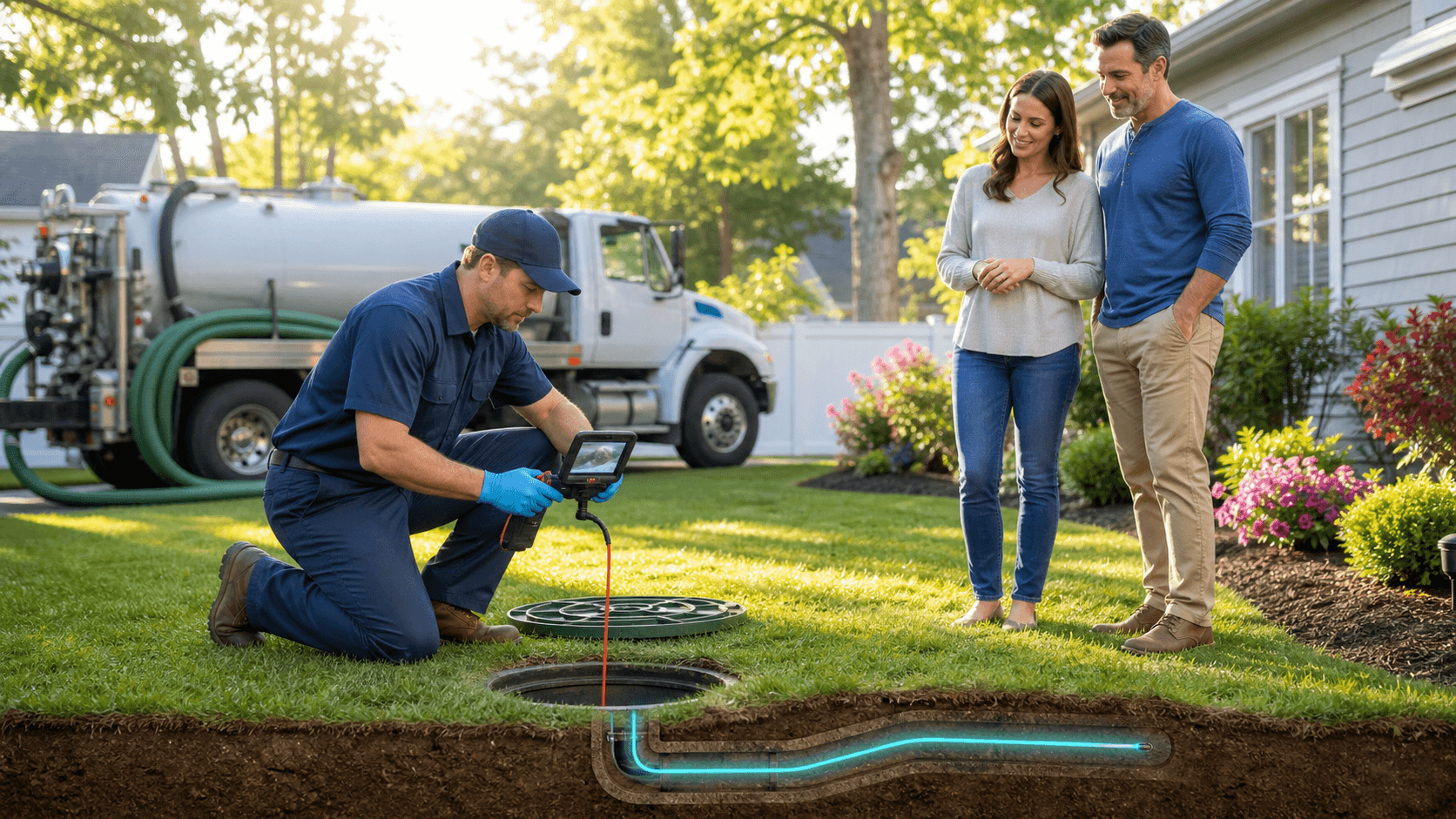
Anytime Septic also services homes and businesses on city sewer. Sewer line cleaning, hydro-jetting, and camera inspections can find and clear trouble before it backs up into your home or business. A simple inspection at the right time can be much easier than dealing with repeated emergencies or a full line replacement that catches you by surprise.
Is Fall a Smart Time for Septic Work in Central Florida?
Early fall in Central Florida is a good time to think ahead. Kids are back in school, holidays are on the horizon, and many families start planning for guests and gatherings. It is a natural moment to check the health of your septic or sewer system before your home sees extra use.
Our hot, rainy months and hurricane season put a lot of stress on soils and systems. High water tables and heavy rain can show weak spots in an older drainfield. That is why Anytime Septic often recommends a simple seasonal checklist:
- Review any records you have of past pump-outs or repairs
- Schedule a pump-out if it has been longer than your provider recommends
- Walk your yard and look for wet or soggy areas over the drainfield
- Listen for gurgling drains or slow toilets inside the house
- Plan any needed upgrades before holiday visitors arrive
Catching small signs now can give you time to make informed choices instead of rushing through big decisions.
How to Decide What Makes Financial Sense for Your Property
Figuring out what makes financial sense starts with determining which system your property is legally required or eligible to use. If city sewer is available, connection is required. If public sewer is unavailable, you can plan for the onsite septic system, ATU, or nitrogen-reducing system that meets local requirements.
A simple way to look at it is:
- Confirm whether city sewer is available to your property under the applicable residential or commercial standard
- Gather several months of current sewer bills or water and sewer statements if your property is connected
- Ask for a realistic septic or ATU quote based on an in-person site visit if public sewer is unavailable
- Check if your property is in a BMAP or special rule area
- Think about how long you plan to stay in the home
- Consider your comfort level with regular maintenance and checkups
Location matters, soil matters, and local codes matter. No two properties are exactly alike in Orlando and the Central Florida area.
As a family-owned, licensed, and insured septic company that works across this region, Anytime Septic spends a lot of time helping people understand their property requirements. Septic tank installation cost in Florida is only one piece of the puzzle for properties where sewer is unavailable. A careful look at your site, your local rules, and your long-term plans can show what type of onsite system is needed, while connected properties can plan for ongoing sewer service and private sewer-line care.
Talk to Anytime Septic for Clear Answers
If you need to assess septic-system needs where sewer is unavailable or are wondering what BMAP and advanced treatment rules mean for your property, Anytime Septic can help. Call Anytime Septic today to schedule an inspection, request a detailed quote, or ask questions about septic installation where permitted, ATU and nitrogen-reducing systems, maintenance, repairs, or sewer line cleaning and camera inspections for connected properties. Our team will walk you through the requirements for your home or business so you can make a confident, informed decision.
Get Started With Your Project Today
If public sewer is unavailable and you are planning a new system or replacing an old one, we can walk you through every factor that affects your septic tank installation cost in Florida. Our team at Anytime Septic will explain onsite system requirements clearly, and we also provide sewer-line services for properties already connected to city sewer. Reach out today to discuss your property, get straightforward pricing, and schedule a convenient on-site evaluation, or contact us with any questions.