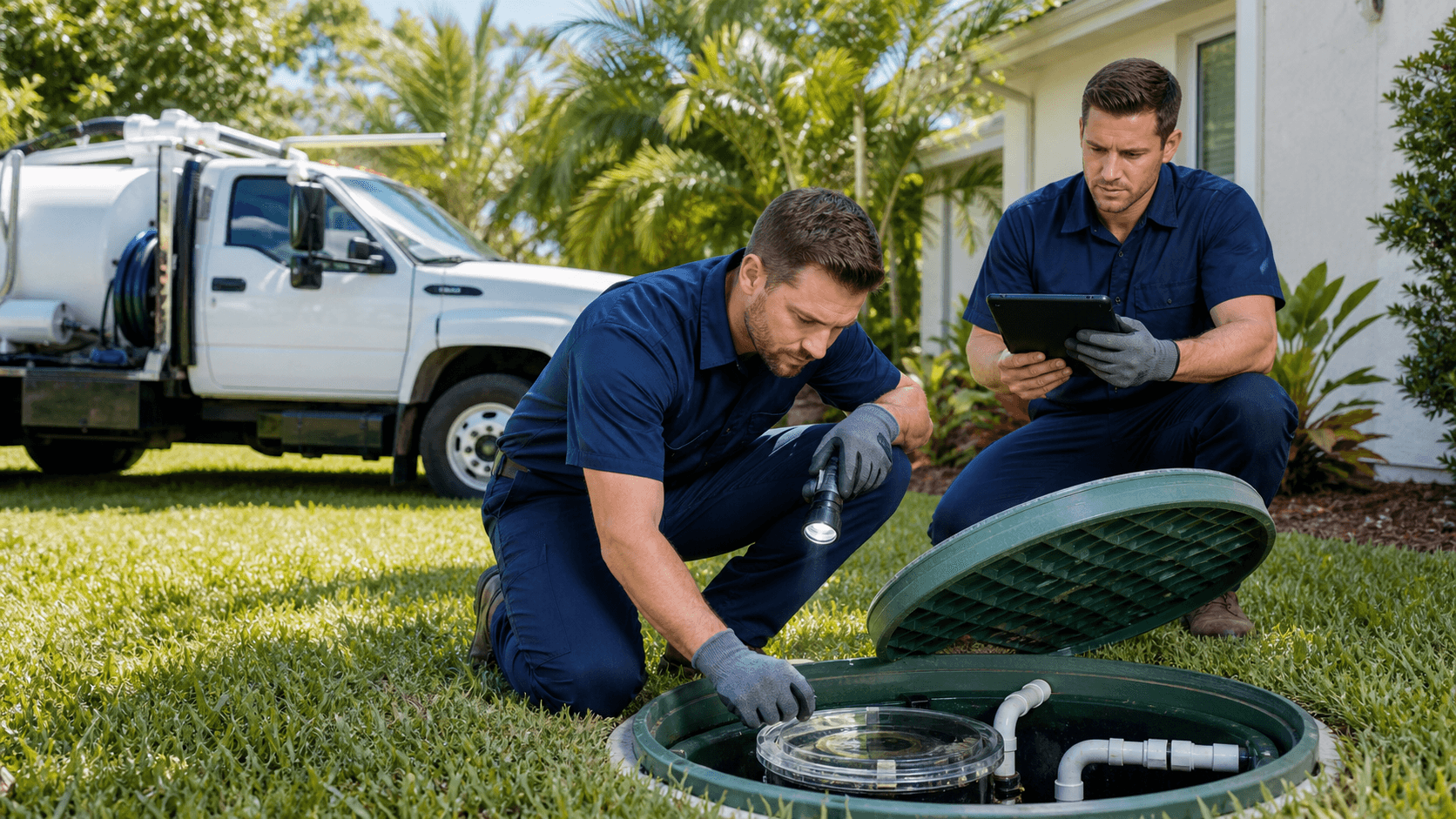
Know What You Are Buying Beneath the Lawn
Buying a home in Winter Park is exciting. You notice the oak trees, the quiet streets, and maybe a peek of a nearby lake. It feels right. But under that pretty yard, there might be a septic system you know almost nothing about, and that part can feel confusing or even a little scary.
When a home has septic, you are not just buying the house; you are also taking on everything buried in the yard. In older Winter Park neighborhoods, or homes close to lakes and areas with high groundwater, septic systems may be older, patched together, or stressed. A regular home inspection does not tell you the full story. A professional septic inspection in Winter Park can save you from surprise repairs, messy backups, and a lot of stress after you move in.
A good way to think about it is this: the home inspection protects what you see; the septic inspection protects what you cannot see. You need both to really know what you are buying.
Anytime Septic has worked with many Winter Park buyers and homeowners, and we have seen how the right inspection can prevent costly surprises.
How Septic Systems Work in Plain English
A septic system is pretty simple once you break it down. There are three main parts:
- Pipes that carry wastewater from your sinks, showers, and toilets out of the house
- A septic tank where solids settle and begin to break down
- A drainfield where cleaner water goes into the soil
Here is what happens when you use water in the house:
- Wastewater flows out to the septic tank.
- The digestion process begins with heavy solids sinking to the bottom as sludge.
- Lighter stuff, like grease, floats to the top as scum.
- The clearer water in the middle slowly leaves the tank and flows to the drainfield.
The drainfield is just as important as the tank. It is a series of pipes or chambers in the yard that spread that water into the soil. The soil acts like a filter. If the soil is too wet, clogged, or damaged, the system starts to fail.
In Florida, a few things make this trickier:
- Sandy soils drain fast, which can help, but they can also let water move quickly toward lakes or wells
- Heavy rains can soak a drainfield and keep it from working right
- High water tables, common near lakes, leave less room for the system to treat wastewater
- Tree roots, especially from big Winter Park oaks, can grow into pipes and cause clogs or breaks
When you buy a home on septic, you are buying all of this. That is why you want clear answers about how it is working today.
Why a Standard Home Inspection Is Not Enough
A regular home inspector plays an important role, but they usually do not open or test the septic system. Most of the time, they will:
- Flush toilets and run water to see if drains work
- Look for wet spots or smells in the yard
- Note if they see a septic lid or know where the system might be
What they cannot usually see or check is the inside of the tank or the true condition of the drainfield. Some of the most expensive problems stay hidden, such as:
- A septic tank that is almost full and overdue for pumping
- A drainfield that is saturated and close to failure
- Broken or missing baffles or filters inside the tank
- Cracked lids, damaged pipes, or roots growing into lines
- Extra plumbing added over the years that now overloads an undersized system
A professional septic inspection in Winter Park goes much deeper. Septic pros will open the tank, check sludge and scum levels, pump out the tank to look at the condition of the inside walls and parts, test how water flows through the system, and evaluate the drainfield area. This kind of check gives you actual facts, not guesses.
Anytime Septic's inspectors explain their findings in plain English so you can understand what is working well and what needs attention.
What to Expect During a Septic Inspection in Winter Park
If you have never seen a septic inspection, it can sound like a mystery. In simple terms, here is how it usually goes:
- Locate the tank and drainfield area
- Dig to uncover the access lids on the tank
- Open and pump out the tank and do a visual check inside
- Measure how much sludge and scum is in the tank
- Check parts like baffles, outlet devices, filters and lids
- Run water from the house to see how the system handles flow
- Walk the drainfield to look for wet spots or odors
During this process, the inspector is gathering key details, such as:
- Approximate age and size of the system, when known
- How full the tank is and whether the bacteria is doing its job
- Any signs of past backups, leaks, or repairs
- How well the drainfield seems to be accepting water
For homebuyers, timing matters. You want this inspection during your inspection period, early enough that you can ask for repairs or make a different choice if needed. Many buyers like to be there when the lids are opened so they can hear the findings in plain language and ask questions. Afterward, you should get a written report that explains the condition, any problems found, and the next steps recommended.
Red Flags Homebuyers Should Never Ignore
Some warning signs show up even before a formal septic inspection. Inside the house, pay attention to:
- Drains that are slow in more than one room
- Toilets that bubble or gurgle when you run water
- Sewage smells in bathrooms, the kitchen, or the garage
Outside, walk the yard and note:
- Standing water or soggy spots near where the system might be
- Strong sewage smells, especially after you use a lot of water
- Grass that is much greener or thicker in one strip where the drainfield could be
Your lifestyle also matters. Past flooding on the property, lots of frequent guests, or plans for a future pool or home addition can all add stress to an older or small system. If you are planning to grow the household, the septic needs to be ready for that.
If real problems show up during the septic inspection, you usually have options. You might:
- Ask the seller to repair or replace certain parts before closing
- Request a credit and handle the work after you own the home
- Decide that the risk or cost is too high and move on to another property
The important thing is that you are making that choice with clear information, not guessing.
Costs, Lifespan, and Budgeting for a Septic System
Owning a septic system means planning for regular care. While we will not list exact prices, it helps to think in general terms:
- A professional inspection is a one-time cost during the buying process
- Routine pumping and maintenance are ongoing costs during the life of the home
- Repairs to parts like lids, inlet or outlet fittings, or short sections of pipe are usually less than a full replacement
- Replacing a drainfield or entire system is one of the bigger projects a homeowner might face
In Central Florida conditions, tanks and drainfields can last many years when they are installed correctly and cared for on a regular schedule. Regular pumping, smart water use, and quick attention to small issues can often stretch that lifespan.
When you make an offer on a home with septic, it helps to:
- Make a septic inspection in Winter Park part of your standard contract requests
- Ask for pumping and any needed repairs to be handled before closing if problems are found
- Set aside money in your new home budget for ongoing septic care after you move in
Planning for the system from the start turns septic from a mystery into just another part of smart homeownership.
Call Anytime Septic for Local Expert Help
If you are buying a home in Winter Park and want to know exactly what you are getting beneath the lawn, the team at Anytime Septic can help. Our experienced technicians provide thorough septic inspections, clear written reports, and practical recommendations based on Central Florida conditions.
Call Anytime Septic today to schedule a septic inspection, ask questions about a property you are considering, or set up ongoing maintenance for your new home. Having a local septic expert on your side can give you confidence in one of the most important systems on your property.
Protect Your Home With A Thorough Septic Inspection Today
If you are noticing slow drains, unpleasant odors, or just want peace of mind, now is the right time to schedule a professional septic inspection in Winter Park. At Anytime Septic, we carefully evaluate your system so small issues do not turn into costly repairs. Reach out today and we will walk you through what to expect during your inspection and answer any questions. If you are ready to book or need more details, simply contact us.