Sewer Flies: Causes, Risks, and How to Get Rid of Them
Sewer flies are a common nuisance in homes and businesses, especially around damp drains. These tiny insects may seem harmless, but when they keep returning, they often point to moisture and organic buildup that should not be ignored.
We help Central Florida property owners track down plumbing and septic concerns every day. Below, we explain how to identify sewer flies, clean likely breeding areas safely, and recognize when a hidden drain, sewer, or septic line issue may need professional attention.
What Sewer Flies Look Like and Where They Breed
Sewer flies are also called drain flies or moth flies. They are tiny, fuzzy gray, tan, or brown flies with rounded wings that can make them look like little moths. You may spot them resting on walls near sinks, showers, toilets, utility rooms, laundry areas, and commercial restrooms.
Unlike mosquitoes or gnats, sewer flies do not bite people or pets. They are not usually considered a serious health threat, but their presence can be a sign that wet organic material is collecting somewhere it should not.
These flies breed in the slimy film inside plumbing areas, including:
- Drain openings and pipe walls
- Sink overflow channels and drain traps
- Garbage disposals and splash guards
- Floor drains with standing water
- Slow-moving drains that hold debris
That film can contain soap scum, hair, grease, food particles, and other organic matter. Killing the adult flies may provide short-term relief, but the infestation will continue unless the breeding material is removed.
Why Sewer Flies Appear in Homes and Businesses
Most sewer fly problems begin in places that are used often or hardly used at all. A busy kitchen sink can collect grease and food residue, while an unused bathroom drain may allow stagnant water and buildup to sit undisturbed.
We often find sewer fly activity connected to everyday drain buildup, such as hair in shower drains, soap residue in bathroom sinks, debris in a garbage disposal, or buildup inside a sink overflow opening. A neglected floor drain can also become a breeding area when water and organic material sit in the trap.
Sometimes, though, the source is not visible at the drain where the flies are noticed. The problem may be caused by:
- A slow drain or hidden clog farther down the line
- A leaking pipe or damaged drain trap
- Wastewater collecting beneath a fixture
- A sewer line backup or low spot that holds water
- A damaged line between a home and its septic system
For septic-served properties, sewer flies do not automatically mean the septic tank is full or failing. However, buildup in a clogged or damaged line can create a damp place for flies to breed. Septic line cleaning may help remove material from the affected line once the true source is identified.
Removing Sewer Flies Without Hiding the Source
Before treating the flies, we recommend identifying where they are coming from. One simple way to check a suspected drain is to place clear tape loosely over the opening overnight, with the sticky side facing down. If flies are emerging from that drain, they may become stuck to the tape.
Check places that are easy to overlook, including less-used bathroom sinks, laundry drains, floor drains, shower drains, and sink overflow openings. Flies may also gather around a nearby drain even when their breeding source is deeper in the plumbing.
For accessible drain areas, focus on removing buildup rather than only spraying adult flies. You can take basic cleaning steps such as:
- Removing and cleaning drain stoppers
- Scrubbing visible buildup around the drain opening
- Cleaning sink overflow channels when accessible
- Cleaning garbage disposal splash guards
- Using a septic-safe enzyme drain cleaner as directed
Avoid mixing bleach, ammonia, drain cleaners, or other chemicals. Combining products can create dangerous fumes, and harsh chemicals may not remove the thick film where flies lay eggs. Excessive chemical use may also be hard on septic systems.
If the problem remains after accessible cleaning, the breeding material may be farther inside the plumbing. That is when a professional inspection can help prevent repeated treatments that never reach the real source.
When Returning Flies Signal a Hidden Line Problem
A few adult sewer flies may remain for several days after the breeding area is cleaned. Repeated activity after a week or two, however, can mean the source was missed or that standing water and buildup are present deeper in the system.
Pay attention to sewer flies that appear alongside other plumbing symptoms. We recommend professional evaluation when you notice multiple drains with flies, sewer odors, gurgling sounds, slow drainage, frequent backups, wet areas near fixtures, or flies coming from floor drains.
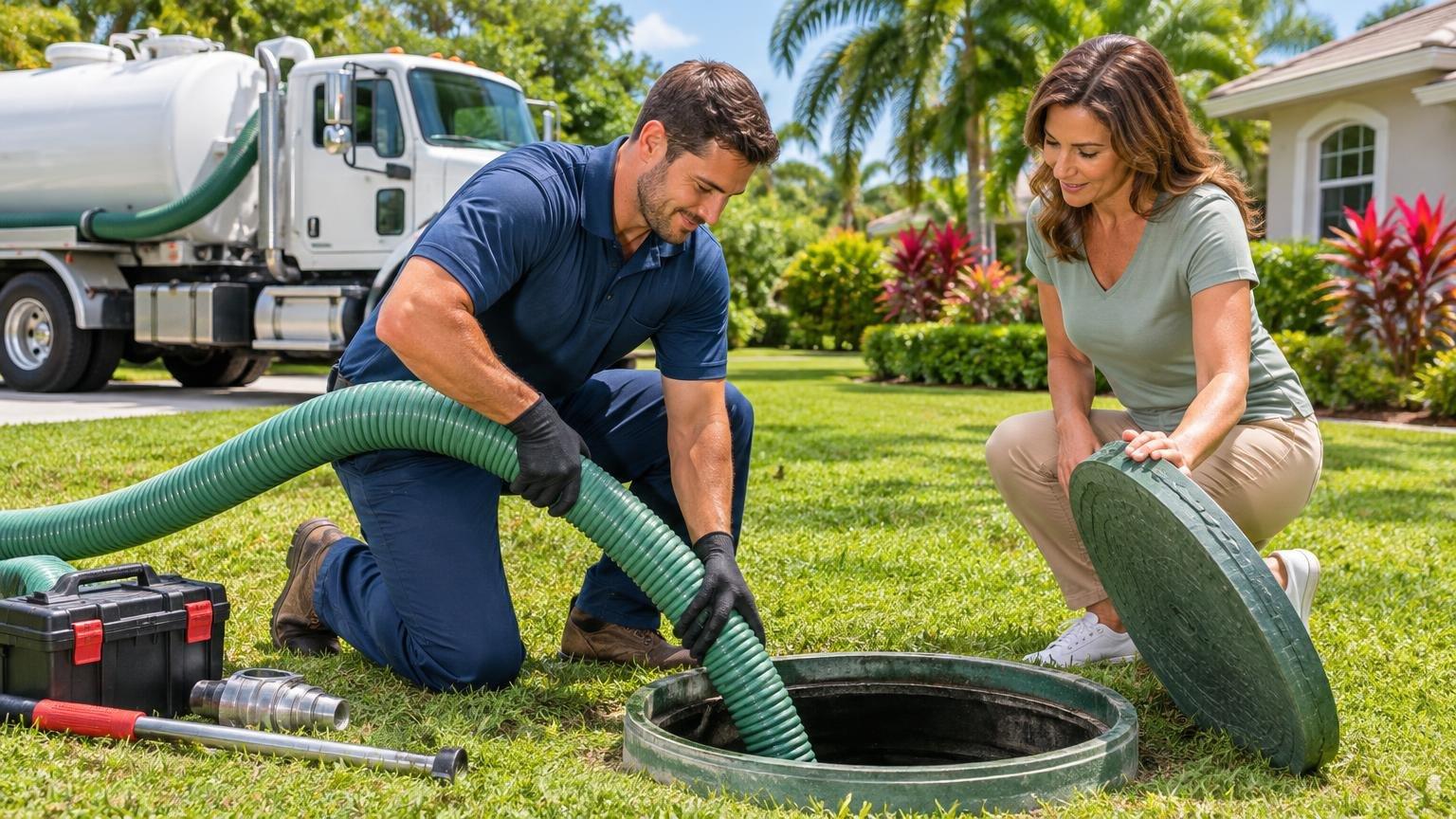
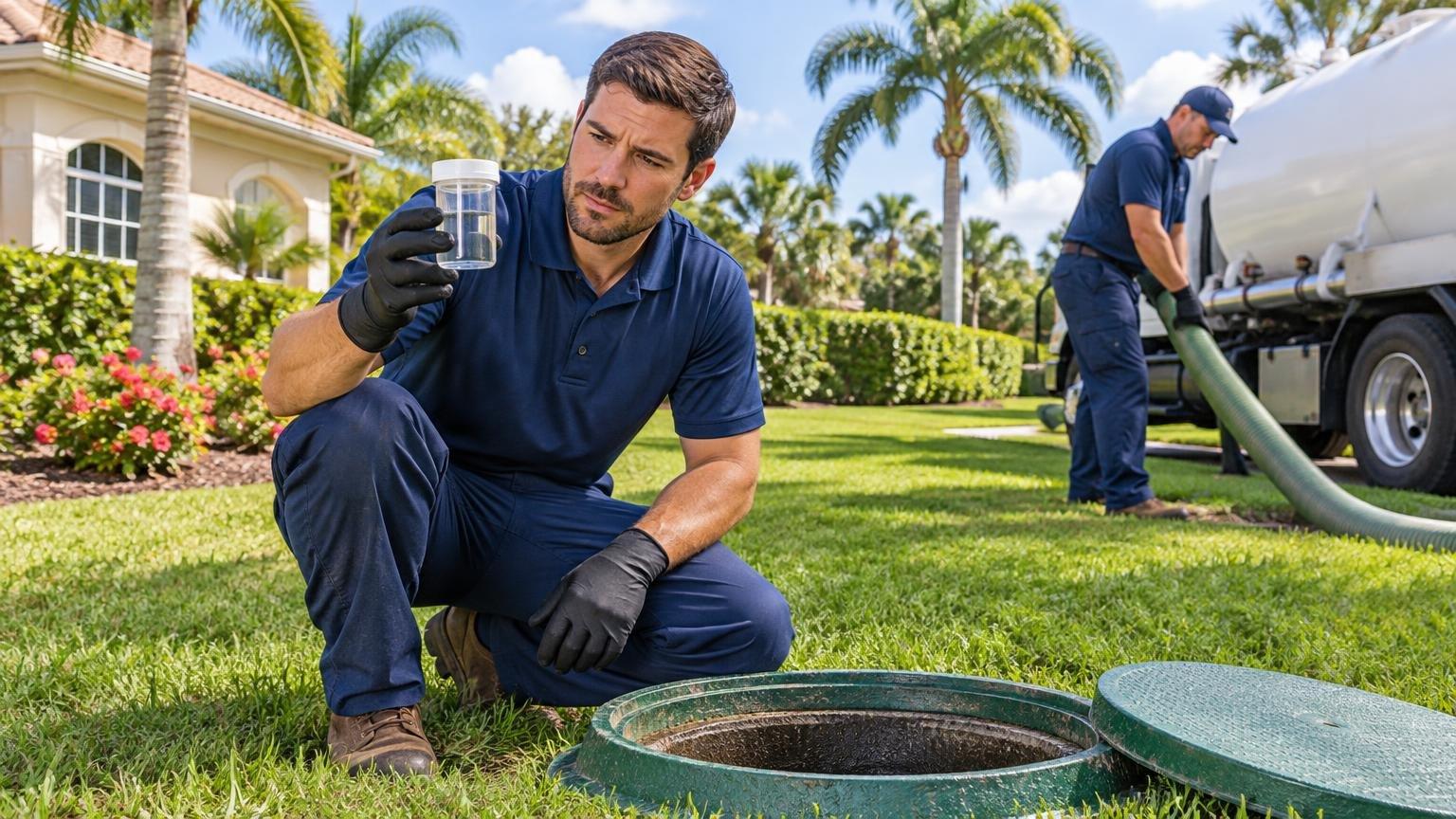
At Anytime Septic, we use sewer line cleaning to remove accumulated grease, debris, and organic material from affected lines. When the source is difficult to locate, a sewer camera inspection can help us identify hidden clogs, cracked pipes, separated connections, root intrusion, or low areas in a line that hold water. These services can help properties connected to either a septic system or city sewer.
A lasting solution comes from correcting the moisture or buildup that supports the flies. Once that condition is removed, regular drain care and quick attention to slow or odorous drains can help keep the problem from returning.
Restore A Cleaner, More Comfortable Property
Anytime Septic can assess your system and recommend the right next step for lasting results. Our team provides thorough septic line cleaning to help address buildup that can contribute to recurring drain concerns. If you have questions about your septic or sewer system, contact us to schedule professional service.
Frequently Asked Questions About Sewer Flies
What Are Sewer Flies?
Sewer flies are small, fuzzy flies that breed in wet organic buildup inside drains, pipes, floor drains, garbage disposals, and other damp plumbing areas.
Are Sewer Flies Dangerous?
Sewer flies do not bite and are not usually considered dangerous. Still, they can point to unsanitary drain buildup, standing water, or a drainage issue that deserves attention.
Why Do Sewer Flies Keep Coming Back?
They usually return because the breeding film inside a drain or pipe was not fully removed. Ongoing activity can also point to a hidden clog, leak, damaged pipe, or standing wastewater deeper in a sewer or septic line.
Will Bleach Get Rid Of Sewer Flies?
Bleach may kill some flies or larvae, but it often does not remove the thick organic film where they breed. Scrubbing accessible drain areas and using an appropriate enzyme-based cleaner are generally better first steps. Never mix bleach with other cleaning products.
When Should I Seek Professional Help For Sewer Flies?
Professional help is appropriate when flies continue after cleaning, appear around several drains, or come with sewer odors, slow drains, gurgling, wet areas, or backups. Those signs can point to a hidden plumbing, septic, or sewer-line issue that needs to be located and corrected.