Situation-Specific Septic Pumping in Central Florida Vacation Homes
Septic trouble in a vacation home is more than an inconvenience; it can shut down bookings, upset guests, and damage your property. For homes around Orlando and Central Florida, where many properties are short-term rentals or second homes, the way people use the house puts different stress on the septic system than a full-time residence.
At Anytime Septic, we want to walk through how septic pumping in Central Florida vacation homes really works in everyday life. We will explain why guest patterns, seasons, and even local rules change what your septic system needs, and how a situation-specific plan can help you stay ahead of problems.
How Vacation Home Use Changes Septic Pumping Needs
Vacation homes rarely have steady, gentle use. Instead, they see long stretches of low use, then sudden bursts of heavy use when family or renters arrive.
With year-round living, water use and flushing are fairly even from day to day. In a vacation home, the house might sit quiet for weeks, then host a large group using every shower, toilet, and laundry load day and night. Those bursts send a lot of water and solids into the tank in a short time, which can:
- Stir up sludge at the bottom of the tank
- Push solids toward the outlet and drain field
- Fill the tank faster than expected between pumpings
Different vacation home setups also make a difference:
- Owner-only homes that are used a few times a year may have long rests between visits, but still get heavy use when friends and family stay
- Short-term rentals with constant turnover can see more people per bedroom and more frequent use of every fixture
- Homes that have been updated with extra bunk rooms, game rooms, and more bathrooms can create more wastewater than the original septic design allowed for
Instead of thinking of pumping as a fixed rule of "every 3 to 5 years," it helps to switch to a usage-based mindset. Homes with:
- Frequent guests
- Large groups
- High rental activity
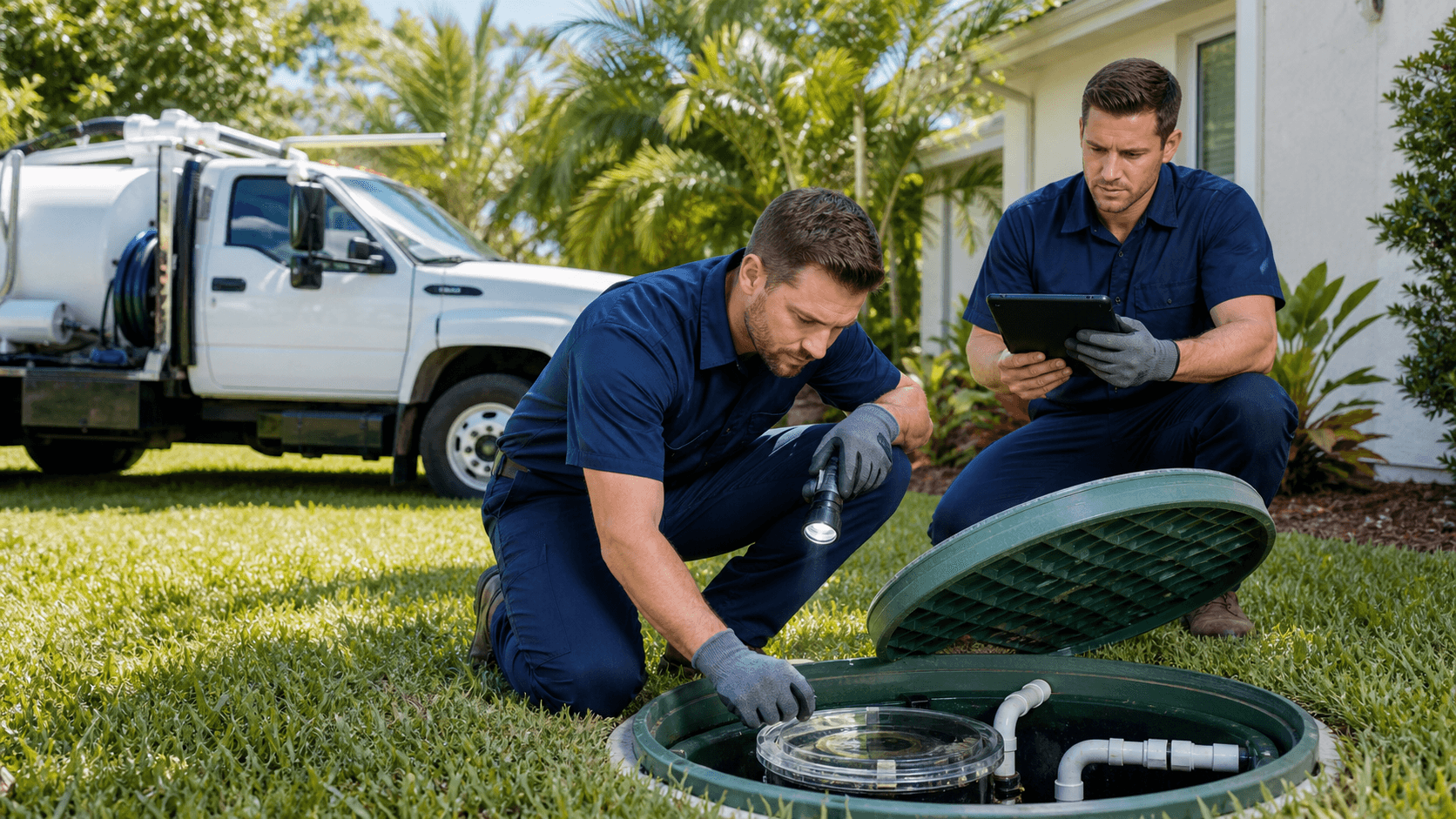
often need septic pumping more often than a standard full-time home. A quick professional inspection from Anytime Septic can look at tank size, current sludge level, and how the home is used, and then set a realistic pumping schedule for that specific property.
Seasonal Stress on Septic Systems in Central Florida
Guest use is not the same month-to-month. Central Florida vacation homes tend to have clear busy times, like:
- Summer breaks
- Major holidays
- Theme park seasons and special events
- Snowbird months, when winter visitors arrive from cooler states
During these peak periods, more showers, laundry loads, dishwashing, and flushing send extra wastewater and solids into your system. When the tank is already close to full, this extra push can stir up the sludge layer and move it toward the drain field, which hurts how well the system can soak water into the soil.
Weather and groundwater also play a role. Central Florida gets heavy summer rains and storms, and hurricane season often means long wet stretches. When the ground is saturated:
- The drain field has a harder time absorbing water
- High groundwater can sit close to or even above drain lines
- Any tank that is overdue for pumping is more likely to back up or cause slow drains
Planning septic pumping in Central Florida before your main rental or family season starts gives the system a fresh start. It also makes sense to pair a pumping visit with:
- A quick inspection for root intrusion or broken baffles
- A check for early drain field trouble
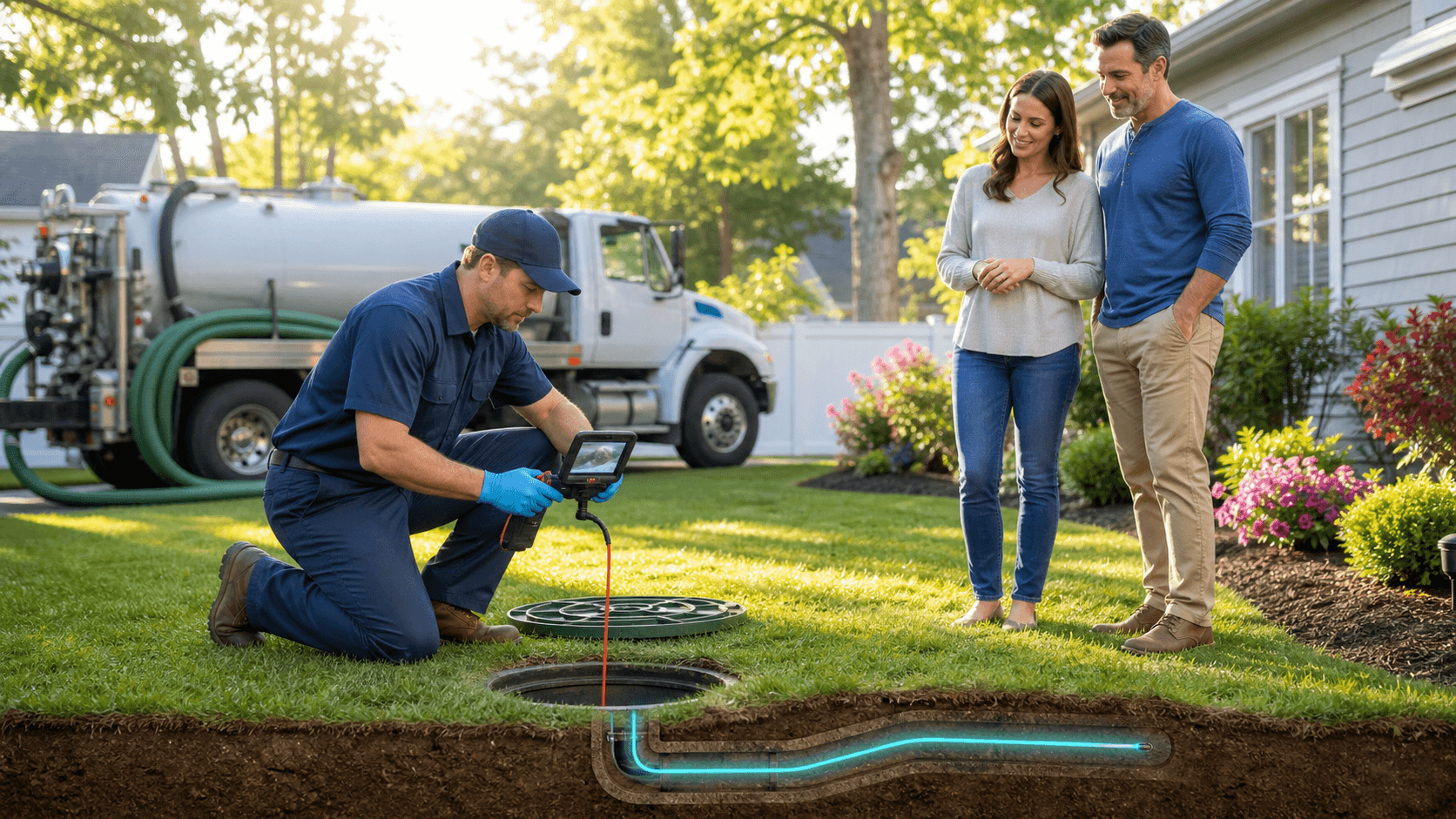
- Optional sewer line cleaning or camera inspection if the home is on city sewer instead of a private septic system
This helps reduce the risk of last‑minute emergencies when your calendar is full of bookings. Anytime Septic recommends pumping yearly in these cases.
When Vacation Rentals Need Extra Septic Attention
Short-term rentals often see more intense use than owner-only homes. High turnover and big groups staying for theme parks, sports tournaments, or reunions can generate a lot of wastewater in just a few days.
Guest habits that put extra pressure on septic and sewer systems include:
- Long, frequent showers
- Many loads of towels and bedding
- Heavy garbage disposal use
- Flushing items that should never go down the toilet
Between bookings, owners or property managers can do simple walk-through checks, such as:
- Noticing slow drains in sinks or tubs
- Listening for gurgling sounds in toilets
- Looking for damp spots or odors in the yard near the tank or drain field
- Paying attention to sewage smells around patios, driveways, or pool areas
These can be early warning signs that a tank is overdue for pumping or that the drain field needs a professional evaluation.
It helps to build septic care into the regular routine by:
- Adding friendly, septic-safe house rules in the guest binder about wipes, feminine products, grease, and harsh chemicals
- Following a pumping schedule based on actual occupancy and guest load
- Arranging periodic inspections and line cleaning for homes on city sewer that still get heavy guest use
With a practical plan and Anytime Septic as your local service provider, you can protect your ratings, reduce emergencies, and keep the property guest-ready.
Special Rules for ATU and Nitrogen-Reducing Systems
In some parts of Central Florida, standard septic tanks are not the only option. ATU systems and nitrogen-reducing systems add extra treatment stages or air to the wastewater to clean it more thoroughly before it reaches the soil and groundwater.
These systems are more common or required in certain sensitive areas, especially near springs and waterways. In those zones, the state uses something called a BMAP, short for Basin Management Action Plan. A BMAP is simply a map and rule set for areas where water quality needs extra protection.
Inside many BMAP areas, homeowners may be required to install or upgrade to an ATU or nitrogen-reducing system when they:
- Put in a brand-new septic system
- Replace a failed system
- Make major home additions that increase bedrooms or wastewater flow
Even though these systems offer advanced treatment, they still need regular care. In fact, they can need pumping, inspections, and service more often than a basic tank, because they have:
- Extra parts, filters, and chambers
- Air pumps or control panels
- Specific service and reporting requirements
Vacation homes with these systems may sit empty for stretches, which can affect how the system runs. It is important to work with a company that understands the make and model, the needed service intervals, and the local rules for your neighborhood or BMAP area.
Anytime Septic has experience with several ATU and nitrogen-reducing systems throughout Central Florida and can help you understand what your specific system requires. If you're not already on a maintenance plan, Anytime Septic can help!
Private Septic vs. City Sewer for Vacation Homes
Many Central Florida vacation homes, especially in less crowded areas, rely on private septic systems. When a septic system is well-maintained, owners can:
- Avoid ongoing monthly sewer fees
- Have on-site control over how their wastewater is handled
- Match system care to how the property is actually used
City sewer, where available, can be convenient. The utility handles the treatment plant and the public sewer lines in the street. Still, the homeowner is usually responsible for the main sewer line from the house to the street connection. That line can clog, break, or fill with roots, which can lead to the same type of backups you see with septic systems.
Anytime Septic can help both types of properties by:
- Pumping, inspecting, and repairing private septic systems
- Evaluating drain fields and explaining upgrade options when needed
- Cleaning sewer lines and using camera inspections to find bellies, breaks, or root intrusion before they turn into emergencies
The right plan for septic pumping in Central Florida will look different for each vacation home. It depends on how often people stay, how many guests the home hosts, what season is busiest, and whether the property uses a standard tank, an ATU, or a nitrogen-reducing system. With thoughtful planning and regular care, your vacation home can stay comfortable, safe, and ready for guests all year long.
Need Help with a Vacation Home Septic System?
If you own a vacation home or short-term rental in Central Florida and are unsure how often to pump or what type of system you have, Anytime Septic can help. Contact us to schedule an inspection and set up a pumping schedule, or discuss repairs, maintenance, or new installations so your property stays ready for every guest.
Protect Your Home With Reliable Septic Care Today
Keep your system running smoothly by scheduling professional septic pumping in Central Florida before small issues turn into costly repairs. At Anytime Septic, we use proven methods and equipment to clean your tank thoroughly and help extend the life of your entire system. If you are ready to book service or have questions about your system, contact us and we will help you choose a convenient time.